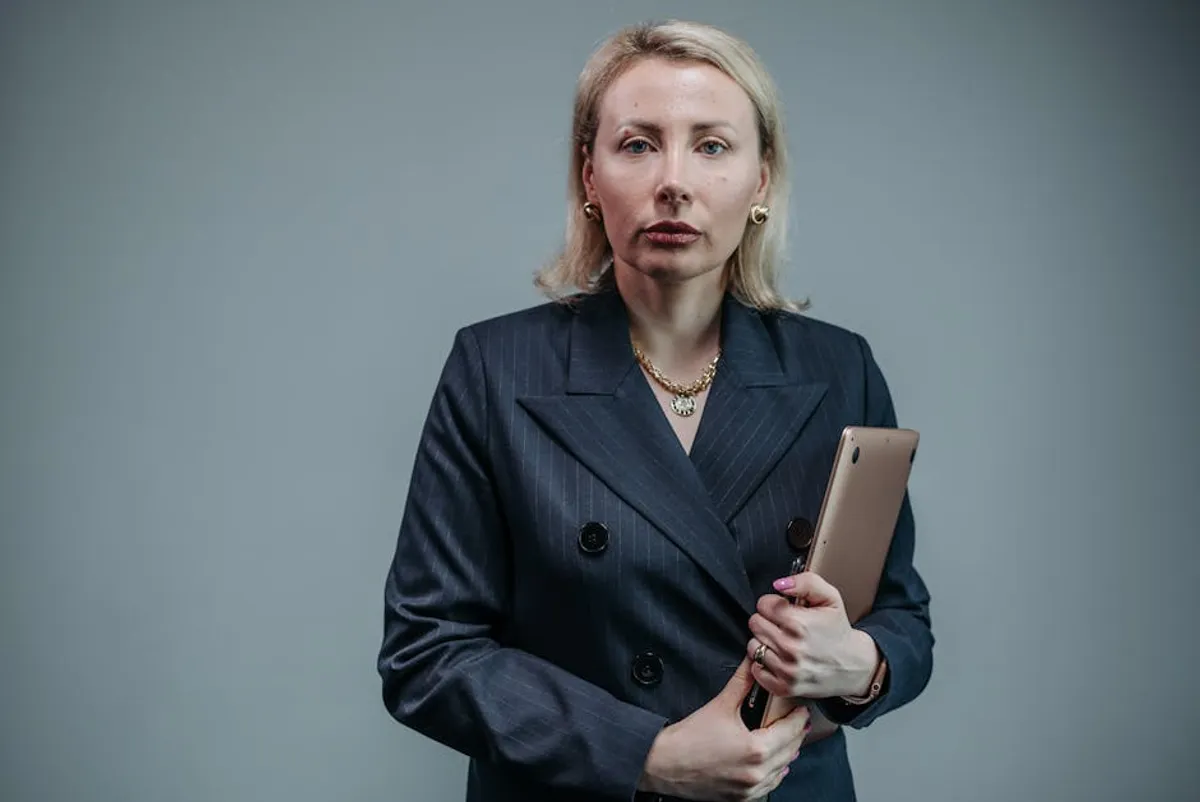
Preparing for a model photoshoot extends beyond perfecting poses and expressions; the clothing choices are fundamental to the shoot's success. Attire must align with the client's vision, the shoot's purpose, and the overall aesthetic. Strategic selection ensures garments enhance the model's features, complement the theme, and translate effectively on camera, ultimately delivering the desired commercial or artistic outcome. Careful consideration of your attire is a key component of planning a fashion photoshoot effectively.
Deciphering the Photoshoot Brief
Before selecting a single item, thoroughly review the photoshoot brief or consult directly with the photographer and client. This document dictates the shoot's objective, mood, and style, providing critical guidance for wardrobe. A commercial campaign for activewear demands different attire than a high-fashion editorial or a personal branding session. Key elements to identify include:
- Theme and Concept: Is it minimalist, avant-garde, casual, formal, vintage, or futuristic?
- Location: Indoor studio, urban street, natural landscape, or a specific architectural setting? This influences practicality and visual harmony.
- Target Audience: Who is the final imagery intended for? This impacts the perceived relatability and aspirational quality of the clothing.
- Brand Identity: For commercial shoots, understanding the brand's aesthetic, color palette, and messaging is paramount.
- Hair and Makeup Direction: Wardrobe should integrate seamlessly with the planned styling.
Failure to align with the brief can result in unusable images, requiring costly reshoots or compromising the project's integrity. Always clarify ambiguities before the shoot day.
Strategic Clothing Selection
The goal is to bring versatile, well-maintained pieces that offer various looks without overwhelming the set. Prioritize items that fit impeccably and allow for natural movement.
Foundation Pieces and Neutrals
Start with a core selection of neutral-colored garments. These serve as excellent bases for layering and accessorizing, minimizing visual distraction and allowing the model or product to remain the focal point.
- Black and White: Essential items like fitted t-shirts, tank tops, camisoles, and button-down shirts. Ensure they are clean, wrinkle-free, and opaque.
- Nude/Skin-Tone Undergarments: Seamless bras, strapless bras, and underwear in various skin tones are critical to avoid visible lines or colors under sheer or light-colored clothing.
- Denim: Well-fitting jeans (various washes like dark, light, black) without excessive distressing or logos offer casual versatility. A denim jacket can also be valuable.
- Tailored Basics: A classic black blazer, simple trousers, or a pencil skirt provide a professional or sophisticated option.
Best for: Creating a clean canvas, maximizing versatility, and ensuring professional presentation.
Texture and Form-Fitting Silhouettes
Beyond color, texture adds depth and visual interest to photographs. Form-fitting pieces highlight the model's physique and the garment's cut, which is often crucial for fashion and commercial work.
- Knitwear: Fine-gauge sweaters, cardigans, or textured tops. Avoid bulky knits unless specifically requested, as they can add unwanted volume.
- Leather/Faux Leather: Jackets, skirts, or pants introduce a modern, edgy element.
- Silk/Satin: Draping fabrics create elegant movement and catch light beautifully.
- Structured Fabrics: Cotton twill, gabardine, or linen can provide clean lines and a more architectural feel.
Ensure all form-fitting items are comfortable and allow for a full range of motion. Tight clothing that restricts movement or causes discomfort will translate into stiff, unnatural poses.
Pro Tip: Always bring a range of sizes if you are between measurements or unsure about the specific fit required. Garments that are too tight can create unflattering bulges, while overly loose items can obscure the body's natural lines and appear sloppy. A well-fitting garment is paramount for a polished photographic result.
Accessorizing for Impact
Accessories can transform an outfit and provide narrative elements. However, restraint is key; avoid over-accessorizing unless the brief explicitly calls for a maximalist approach.
- Jewelry: Simple stud earrings, delicate necklaces, or classic watches often work best. Statement pieces should only be included if they align with the shoot's theme and do not detract from the main subject.
- Shoes: A versatile selection is crucial. Include clean, neutral-colored heels (black, nude), flats, and possibly stylish sneakers or boots depending on the concept. Ensure all footwear is spotless.
- Belts: Simple leather belts in black and brown can define the waistline and add structure.
- Hats/Scarves: These can add character and a sense of style, but only bring them if they fit the brief.
Consider: The scale of accessories relative to the model and the overall composition. Subtlety often yields more impactful results by complementing rather than competing.
Color Psychology and Considerations
Color choices significantly influence the mood and message of an image. While the brief is the ultimate guide, some general principles apply:
- Solid Colors: Generally preferred over busy patterns, as they are less distracting and offer more flexibility in post-production.
- Jewel Tones: Rich blues, emerald greens, ruby reds, and deep purples can photograph beautifully, adding depth and sophistication.
- Pastels: Soft pinks, blues, and yellows create a gentle, airy, or romantic feel.
- Avoid:
- Fluorescent Colors: Can create color casts on skin and are difficult to color-correct accurately.
- Overly Busy Patterns: Can distract from the model and make the image look cluttered. Small, subtle patterns might be acceptable if they don't clash with the background or other elements.
- Colors that Blend with Background: Ensure contrast between the model and the set.
Pre-Shoot Preparation and Packing
The condition of your wardrobe is as important as the selection itself. Presenting clean, pressed, and ready-to-wear garments demonstrates professionalism.
- Pre-Fit Everything: Try on all outfits beforehand to ensure proper fit and identify any necessary alterations. This also helps visualize how pieces will look together.
- Clean and Press: Wash or dry-clean all garments. Iron or steam everything to remove wrinkles. Pack items carefully to prevent re-wrinkling.
- Organize by Outfit: Group complete outfits together, perhaps in separate garment bags or labeled sections of a suitcase. Include all necessary accessories for each look.
- Pack Essentials: Include a lint roller, safety pins, fashion tape, a small sewing kit, and a steamer (if permitted and practical).
- Bring Options: Even with a clear brief, bringing a few extra versatile pieces can be beneficial if a last-minute creative adjustment is made.
Maximizing Your Wardrobe's Impact
A well-curated photoshoot wardrobe is an asset that directly contributes to the quality and versatility of the final images. By meticulously planning and preparing your attire, you not only support the creative vision but also ensure a smoother, more efficient photoshoot experience. The effort invested in wardrobe selection and care translates into a professional presentation that enhances the model's performance and the overall commercial value of the photography.
Frequently Asked Questions
How many outfits should I bring to a photoshoot?
The number of outfits depends entirely on the brief and the agreed-upon looks with the photographer. Generally, bring at least 2-3 full outfits more than explicitly requested to provide options and account for unforeseen changes.
Should I buy new clothes specifically for a photoshoot?
It's not always necessary. Focus on well-fitting, clean items you already own that align with the brief. If new items are purchased, try them on and wash them (if applicable) before the shoot to ensure comfort and eliminate stiffness or tags.
What if I don't have the "right" clothes for the shoot?
Communicate this immediately with the photographer or client. They may have a wardrobe stylist, a selection of studio clothes, or specific recommendations for where to source appropriate garments. Never arrive unprepared without prior discussion.