Securing publication in fashion magazines represents a significant career milestone for models, moving beyond commercial bookings to establish editorial credibility and industry recognition. This process is not merely about possessing a strong look; it demands strategic preparation, targeted outreach, and a deep understanding of the editorial landscape. Success hinges on presenting a meticulously curated portfolio, cultivating a distinct professional identity, and navigating the industry's gatekeepers with informed persistence.
Building a Strategic Portfolio
A compelling portfolio is the cornerstone of any model's editorial aspirations. It must demonstrate versatility, technical proficiency, and a clear understanding of fashion aesthetics. Editors review hundreds of submissions; yours needs to stand out immediately for its quality and relevance.
Curating High-Caliber Imagery
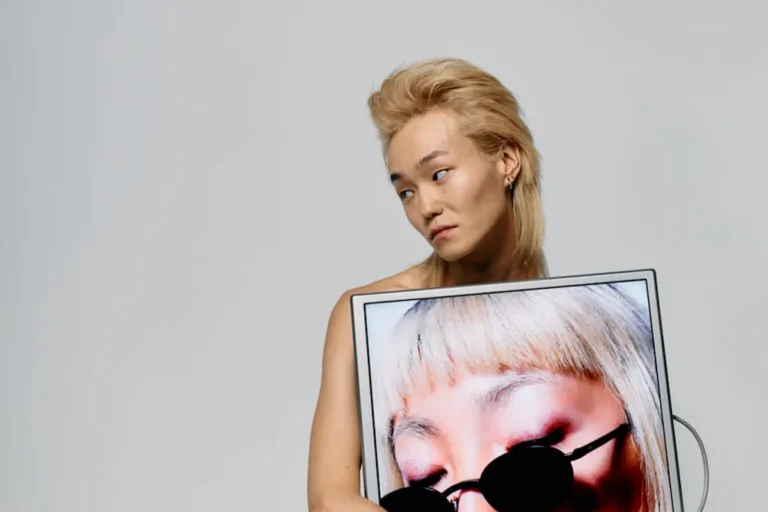
Prioritize quality over quantity. An editor will spend seconds, not minutes, on an initial review. Include only your strongest, most current work. This means investing in collaborations with experienced photographers, stylists, and makeup artists who understand editorial standards. Look for images that tell a story, showcase a range of emotions, and highlight your ability to embody different fashion narratives.
- Diverse Posing: Include full-body, mid-shot, and close-up images demonstrating dynamic posing and expressive facial work. Avoid repetitive stances.
- Varied Styling: Showcase your adaptability across different fashion genres – high fashion, avant-garde, classic, commercial – to prove versatility.
- Clean Backgrounds: Ensure images are not cluttered; the focus should remain squarely on you and the fashion.
- Professional Retouching: Images must be expertly retouched, maintaining a natural appearance without over-processing.
Developing a Distinctive Look
While versatility is crucial, identifying and refining your signature "look" or niche can make you more memorable. Are you known for an edgy, editorial aesthetic, or a classic, sophisticated appeal? Editors often seek models who fit specific visual themes. Work with your creative team to produce shoots that amplify this unique selling proposition while still demonstrating range.
Cultivating Your Industry Presence
Beyond the static portfolio, your professional presence and network play a critical role in opening doors to editorial opportunities. Magazines are looking for talent that is not only visually compelling but also professional, reliable, and well-regarded within the industry.
Strategic Networking and Agent Relations
An established modeling agency often acts as a crucial intermediary, possessing direct lines to magazine editors and casting directors. Agencies can submit your book for specific editorials, negotiate terms, and provide guidance on market trends. Attend industry events, fashion weeks, and open calls where you can meet agents, photographers, and stylists. Building genuine relationships can lead to referrals and opportunities that are not publicly advertised.
Pro Tip: When networking, focus on building authentic connections rather than simply soliciting work. Engage with industry professionals by discussing their projects, offering genuine compliments, and demonstrating a passion for fashion. A positive reputation for professionalism and a collaborative spirit often precedes direct opportunities.
Optimizing Your Digital Footprint
Editors frequently research models online. Your social media profiles (e.g., Instagram, LinkedIn for professionals) should reflect your professional brand. Maintain a curated feed showcasing your best work, behind-the-scenes content that highlights your personality, and professional interactions. Ensure your contact information is easily accessible for legitimate inquiries. A professional website or online portfolio acts as a centralized hub for your work and bio.
Targeting Publications and Crafting Submissions
Indiscriminate submissions yield low success rates. A targeted approach, based on thorough research and tailored communication, significantly increases your chances of being noticed.
Researching Editorial Aesthetics
Study the magazines you aspire to be featured in. Analyze their typical aesthetic, the types of models they feature, their preferred photography styles, and the themes of their editorials. A submission to Vogue Italia will differ significantly from one to a niche independent fashion publication. Identify which magazines align best with your current portfolio and personal brand. Look beyond the major titles; smaller, independent publications can offer valuable early editorial credits.
Understanding Submission Guidelines
Most magazines have specific submission guidelines for models, photographers, and stylists. These are often found on their websites or through direct inquiry. Adhere to these guidelines meticulously regarding image resolution, file types, number of images, and contact person. Failure to follow instructions often results in immediate disqualification.
Composing a Professional Cover Letter
Your cover letter should be concise, professional, and personalized. Address the editor by name if possible. Briefly introduce yourself, highlight your agency (if applicable), and state why you believe your work aligns with their publication's aesthetic. Mention any relevant experience or recent editorial features. Crucially, attach a link to your online portfolio rather than large image files directly, unless specifically requested.
Sustaining Your Editorial Trajectory
Getting published once is an achievement; building a consistent editorial presence requires ongoing effort. Maintain professionalism on set, deliver reliable performance, and continue to evolve your craft. Seek feedback from photographers and stylists to refine your posing and expression. Regularly update your portfolio with new, diverse work, ensuring it always reflects your current capabilities and industry trends. The fashion industry values consistency and growth.
Frequently Asked Questions
Do I need a modeling agency to get published in fashion magazines?
While not strictly mandatory, an agency significantly increases your chances. They have established industry contacts, understand submission protocols, and can advocate for you. Independent models may find success with niche or emerging publications through direct, strategic outreach.
How long does it typically take to get featured in a fashion magazine?
There is no fixed timeline. It can take months or even years of consistent effort, portfolio building, and networking. Patience and persistence are crucial, as is understanding that editorial decisions are often based on specific themes, budgets, and availability.
What should I do if my submission is rejected?
Rejection is common in the competitive fashion industry. Do not take it personally. Use it as an opportunity to review your portfolio and submission strategy. Seek constructive criticism if possible, refine your work, and continue submitting to other publications that align with your aesthetic.
Should I pay a magazine to feature my work?
Reputable fashion magazines do not charge models for editorial features. If a publication requests payment for placement, it is likely a sponsored content opportunity or a less established platform. Focus on earning editorial features based on the merit of your work and your professional fit for the publication's content.