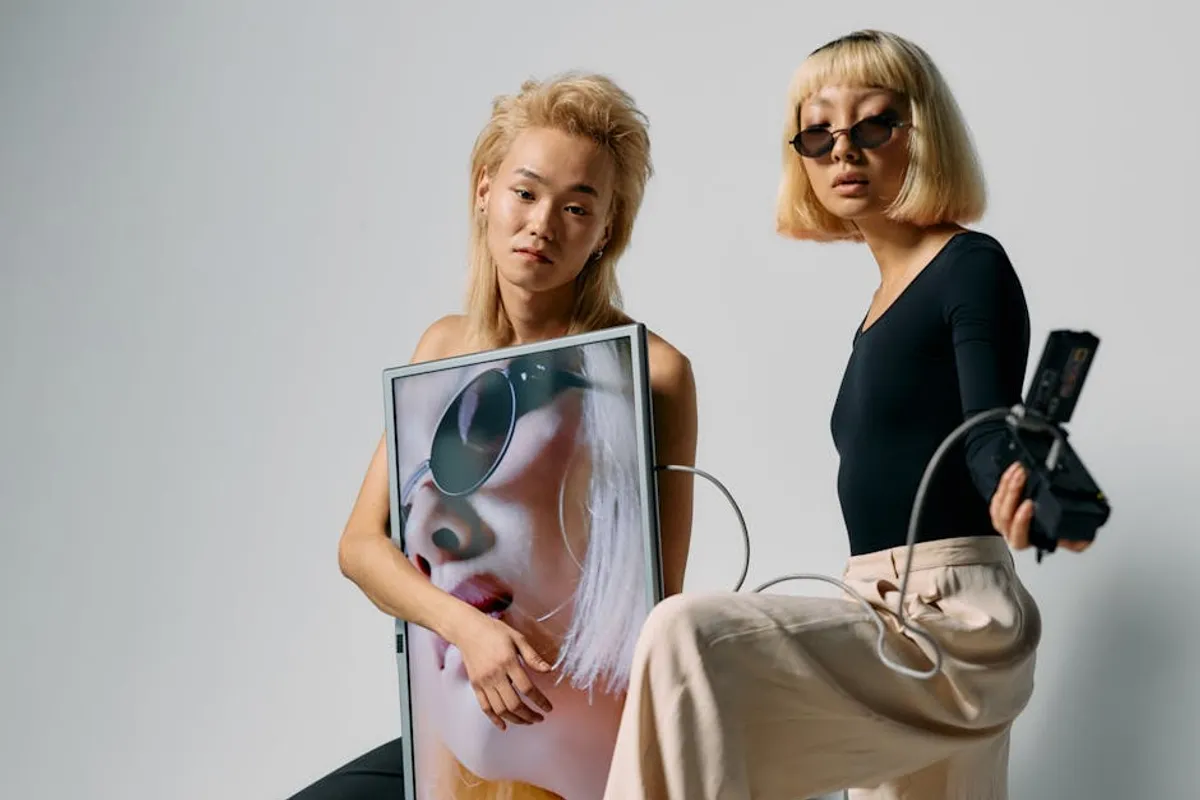
Effective fashion photoshoots require meticulous planning, not just creative vision. A well-structured approach ensures the final imagery aligns precisely with commercial objectives, whether for product launches, editorial spreads, or brand campaigns. Skipping critical planning steps often leads to budget overruns, missed deadlines, inconsistent branding, or images that fail to convert. This guide outlines the essential stages to orchestrate a photoshoot that delivers impactful results and reinforces your brand's aesthetic and message.
Defining the Creative Vision and Concept
The foundation of any successful fashion photoshoot is a clearly defined creative vision. This initial phase translates abstract ideas into concrete plans, ensuring every team member understands the desired outcome.
Understanding the Brand and Campaign Objectives
Before any visual elements are considered, articulate the specific goals of the photoshoot. Is it to launch a new collection, refresh existing product imagery, create lifestyle content, or support a seasonal campaign? Define the target audience, the brand's core values, and the emotional response you want the images to evoke. For example, a luxury brand targeting affluent consumers will require a different aesthetic and narrative than a fast-fashion brand appealing to a younger demographic. Documenting these objectives provides a measurable benchmark for success. This preparation process involves preparing for a photoshoot with clear objectives.
Developing the Mood Board and Storyboard
A mood board serves as a visual blueprint, compiling images, colors, textures, poses, and lighting styles that embody the desired aesthetic. This helps unify the team's understanding of the creative direction. A storyboard, conversely, outlines the sequence of shots, detailing specific poses, expressions, camera angles, and background elements for each look or scene. This is particularly crucial for narrative-driven campaigns, ensuring continuity and comprehensive coverage. Utilize digital tools or physical boards to gather references from fashion magazines, art, film, and other visual sources. This collaborative process ensures all stakeholders are aligned before production begins.
Assembling the Core Team
The quality of your photoshoot is directly proportional to the expertise of your team. Each role contributes specialized skills essential for bringing the creative vision to life.
Key Roles and Responsibilities
A typical fashion photoshoot team includes:
- Photographer: Responsible for capturing the images, lighting, and directing models. Their portfolio should demonstrate experience with fashion and an understanding of commercial aesthetics.
- Fashion Stylist: Curates and prepares all wardrobe, accessories, and props. Ensures garments fit correctly and align with the creative direction.
- Hair Stylist: Designs and executes hairstyles appropriate for each look and the overall concept.
- Makeup Artist (MUA): Applies makeup that complements the styling, lighting, and desired mood, often requiring specialized techniques for photography.
- Model(s): The face of the campaign, responsible for embodying the brand's aesthetic and following posing directives. Selecting models whose look and experience match the brief is crucial.
- Photo Assistant/Digital Tech: Supports the photographer with equipment setup, lighting adjustments, and managing image capture and backup.
- Producer/Project Manager: Oversees logistics, scheduling, budgeting, and ensures the shoot runs smoothly and on time.
Vetting Portfolios and Contracts
Thoroughly review portfolios to ensure a candidate's style and experience align with your project's specific needs. Request references and confirm availability. For each team member, establish clear contracts that detail their responsibilities, deliverables, usage rights for images (especially for models), payment terms, and cancellation policies. This prevents misunderstandings and protects all parties.
Location Scouting and Logistics
The chosen location significantly influences the mood, lighting, and overall aesthetic of the photoshoot. Practical considerations are paramount to avoid disruption.
Indoor vs. Outdoor Considerations
Indoor Locations: Studios offer controlled lighting and environment, ideal for consistent product shots or specific mood creation. Rented spaces like lofts or historic homes provide unique backdrops but require careful management of existing furnishings and light.
Outdoor Locations: Beaches, urban streets, or natural landscapes offer authenticity and natural light variations. However, they are subject to weather changes, public interference, and often require more complex permitting.
Permitting, Access, and Contingency Planning
Verify if permits are required for your chosen location, especially for public spaces or commercial properties. Secure all necessary permissions well in advance. Confirm access times, parking availability, and facilities (restrooms, changing areas). Develop a contingency plan for outdoor shoots to address adverse weather conditions, such as securing an indoor backup location or rescheduling options. Always scout the location at the same time of day as the planned shoot to assess natural light conditions accurately.
Wardrobe, Props, and Styling Elements
The visual elements that dress the set and the model are central to conveying the brand's message and aesthetic.
Curating the Collection
Work closely with the fashion stylist to select every garment, accessory, and shoe. Ensure each item aligns with the mood board, brand identity, and campaign objectives. Consider the narrative: do the clothes tell a story? Are they seasonally appropriate? Will they photograph well under the planned lighting? For product-focused shoots, ensure all featured items are in pristine condition and available in the correct sizes.
Organizing for Efficiency on Set
Before the shoot day, the stylist should organize all wardrobe by look, model, and sequence. Use garment racks, labeled hangers, and accessory boxes to maintain order. Create a detailed styling sheet for each look, listing all items, accessories, and any specific styling notes. This preparation minimizes downtime on set and ensures no item is forgotten or misplaced.
Pre-Shoot Preparations and Communication
The days leading up to the photoshoot are critical for finalizing details and ensuring everyone is fully prepared.
Call Sheets and Detailed Schedules
Distribute a comprehensive call sheet to all team members at least 48 hours in advance. This document should include:
- Date, time, and exact location (with address and map link).
- Contact information for key personnel.
- Detailed schedule for the day, including arrival times, hair/makeup slots, shooting blocks, and breaks.
- Specific wardrobe and styling notes for each look.
- Any special instructions or critical reminders.
A detailed schedule keeps the day on track and manages expectations for everyone involved.
Finalizing Shot Lists and Posing Directives
Collaborate with the photographer to create a definitive shot list. This list breaks down every image required, specifying camera angles, model expressions, and key product features to highlight. For models, provide posing directives or reference images to guide their performance. This ensures all essential shots are captured and reduces improvisation on set, saving valuable time.
On-Set Execution and Management
Even with thorough planning, the photoshoot day requires active management to maintain creative flow and address unforeseen challenges.
Maintaining Schedule and Creative Flow
The producer or project manager should actively monitor the schedule, ensuring transitions between looks, locations, and breaks are efficient. The photographer and creative director maintain the creative flow, providing clear direction to models and ensuring the captured images meet the vision. Regular check-ins with the team help manage energy levels and address any emerging concerns.
Problem-Solving in Real-Time
Inevitably, unexpected issues arise: a prop breaks, a garment doesn't fit as expected, or lighting conditions change. Effective on-set management involves quick, decisive problem-solving. Have backup options for props or styling elements. Be flexible with the shot list if a particular setup isn't working, and communicate changes clearly to the team. A calm, solution-oriented approach preserves the creative atmosphere.
Pro Tip: Always over-communicate. Confirm details with each team member individually a day or two before the shoot. On set, use clear, concise language for directions and feedback. Ambiguity leads to errors and wasted time, directly impacting your budget and final image quality.
Post-Production Planning
The work doesn't end when the camera stops clicking. Post-production is where the raw images are refined into final assets.
Image Selection and Editing Workflow
Establish a clear process for image selection. Typically, the photographer provides an initial gallery for review, from which key stakeholders select the final images for retouching. Define the editing style (color grading, skin retouching, background cleanup) in advance. Provide specific feedback for each selected image to the retoucher, ensuring consistency with the brand's aesthetic. Agree on turnaround times for initial edits and final delivery.
Deliverables and Usage Rights
Before the shoot, specify the final deliverables: number of images, file formats (e.g., high-resolution JPEGs, TIFFs for print, web-optimized versions), and any specific sizing requirements. Crucially, clarify usage rights for all images. This includes where and for how long the images can be used (e.g., website, social media, print ads, specific territories). Ensure these terms are documented in contracts with models and photographers to avoid future legal complications or unexpected licensing fees.
Optimizing Your Fashion Photoshoot Workflow
A well-executed fashion photoshoot is a significant investment, and optimizing the workflow ensures maximum return on that investment. By systematically approaching each stage—from conceptualization to final delivery—you minimize risks, control costs, and consistently produce high-quality imagery that resonates with your target audience. Regularly review your planning process after each shoot to identify areas for improvement, refining your templates, team selection, and communication strategies. This iterative approach builds a more efficient and reliable production pipeline for future campaigns.
Frequently Asked Questions
What is the most common mistake in fashion photoshoot planning?
The most common mistake is inadequate pre-production, specifically failing to define a clear creative vision and communicate it effectively to the entire team. This leads to disjointed efforts, off-brand imagery, and costly re-shoots.
How far in advance should I start planning a fashion photoshoot?
For a standard campaign, begin planning at least 4-6 weeks in advance. This allows ample time for concept development, team hiring, location scouting, wardrobe sourcing, and permit acquisition, especially for complex projects.
What is a call sheet and why is it important?
A call sheet is a document distributed to all team members outlining the essential details of the shoot day, including schedule, location, contacts, and specific instructions. It is critical for ensuring everyone arrives prepared, knows their role, and keeps the production running on schedule.
How do I manage the budget for a fashion photoshoot effectively?
Create a detailed budget breakdown covering all expenses: team fees, location rentals, wardrobe, props, catering, permits, and post-production. Obtain multiple quotes, negotiate rates, and track expenditures meticulously. Always allocate a contingency fund (10-15% of the total budget) for unexpected costs.