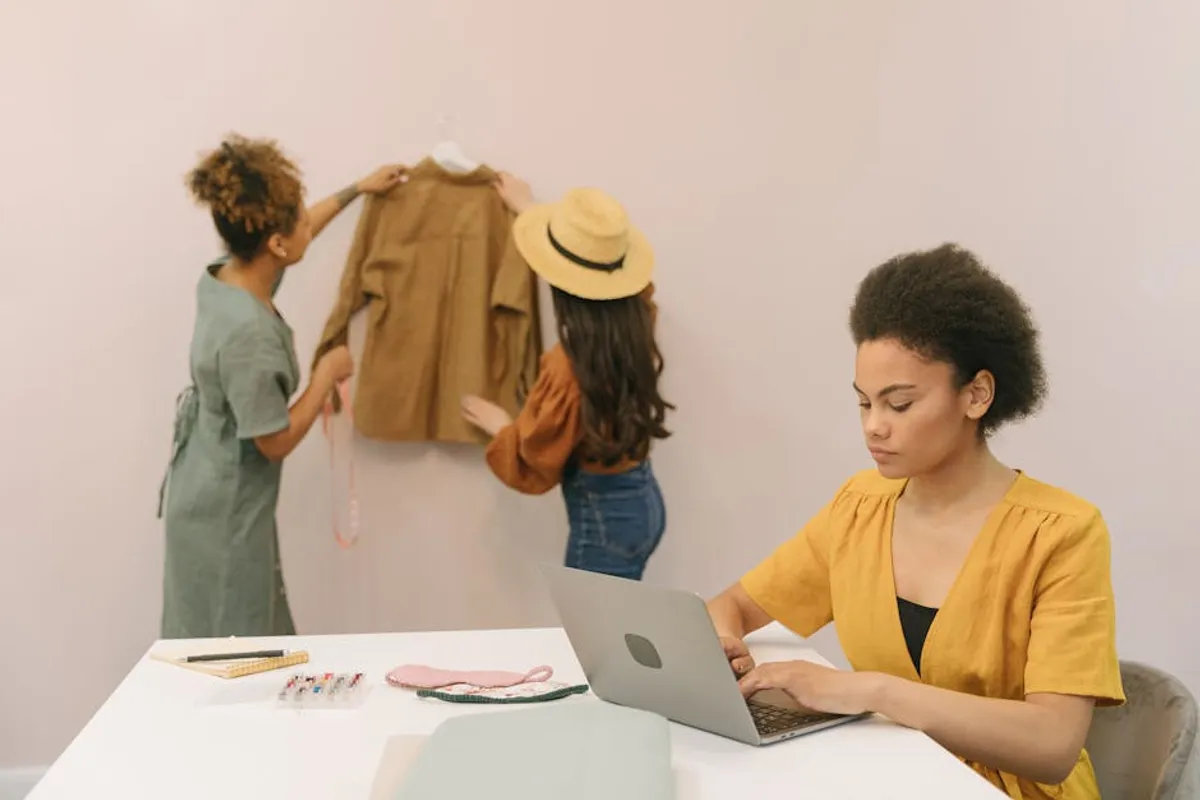
Effective preparation for a fashion photoshoot determines not only the visual quality of the final assets but also the commercial viability and brand alignment of the entire campaign. A poorly planned shoot results in wasted budget, off-brand imagery, and missed marketing opportunities. Conversely, meticulous pre-production ensures that every frame contributes directly to marketing objectives, whether launching a new collection, refreshing brand imagery, or driving specific product sales. This guide outlines the critical steps to organize a fashion photoshoot that delivers impactful, commercially relevant results, minimizing costly reshoots and maximizing creative output. This guide outlines the critical steps to organize a fashion photoshoot that delivers impactful, commercial results.
Defining the Photoshoot Concept and Vision
The conceptual phase establishes the foundation for all subsequent decisions, directly influencing the shoot's effectiveness in communicating a brand message or product story. Without a clear concept, the visual output risks appearing disjointed or irrelevant to the target audience.
Understanding the Creative Brief
Begin by dissecting the creative brief. This document should detail the campaign's objectives, target demographic, key messages, and desired aesthetic. For example, a brief for a luxury brand might emphasize exclusivity and craftsmanship, requiring a minimalist, high-contrast visual style. A brief for a youth-oriented brand might prioritize dynamism and authenticity, necessitating vibrant colors and natural poses. Every element, from lighting to location, must reinforce these core directives. Commercial success hinges on aligning the visual output with the strategic goals outlined in this initial brief.
Mood Boards and Visual References
Translate the creative brief into a comprehensive mood board. This visual compilation serves as the central reference point for the entire team, ensuring everyone shares a consistent understanding of the desired look and feel. Include examples of photography styles, color palettes, poses, hair and makeup looks, and even emotional tones. For a spring collection, a mood board might feature soft pastel imagery, natural light, and relaxed model expressions. For an avant-garde shoot, it could include abstract compositions, dramatic shadows, and unconventional styling. This visual guide prevents misinterpretations and streamlines communication during the creative process.
Target Audience and Brand Alignment
Every visual decision, from model choice to styling, must resonate with the target audience and uphold brand identity. A high-fashion brand targeting affluent consumers will require models who embody sophistication and exclusivity, shot in refined settings. A casual wear brand appealing to a broader market might opt for relatable models in everyday environments. Inconsistent imagery can dilute brand perception and confuse potential customers, undermining marketing efforts. Ensure the visual narrative supports the brand's established values and market position, reinforcing consumer trust and recognition.
Assembling the Core Team
The success of a fashion photoshoot relies heavily on the expertise and synergy of the production team. Each role contributes specialized skills essential for transforming a concept into tangible visuals.
Photographer Selection and Communication
Choose a photographer whose portfolio demonstrates experience with the specific style and aesthetic required for your project. Review their previous work for lighting techniques, model direction, and post-production capabilities. Once selected, establish clear communication channels. Provide the photographer with the creative brief, mood board, and a detailed shot list. Discuss technical requirements, such as camera equipment, lens choices, and desired image resolution. A photographer specializing in studio portraiture may not be the optimal choice for an outdoor editorial shoot requiring dynamic action shots; match their expertise to the project's demands.
Model Casting and Management
Casting the right models is paramount. They must embody the brand's aesthetic and target demographic, possessing the versatility to convey the desired emotions and poses. Consider factors like body type, ethnicity, and expressive range. For a commercial campaign, models often need strong commercial appeal and a professional demeanor. Provide models with the mood board, wardrobe details, and call times in advance. Clear communication regarding expectations, compensation, and usage rights prevents misunderstandings and ensures a smooth production day.
Stylist, Hair, and Makeup Artists
These specialists are critical for executing the visual concept. The stylist curates the wardrobe, accessories, and props, ensuring each item aligns with the brand's vision and the photoshoot's theme. Hair and makeup artists create looks that complement the styling and enhance the models' features, working within the aesthetic defined by the mood board. Brief them thoroughly with visual references and discuss specific product placements or brand guidelines. Their collective expertise ensures a polished, cohesive visual presentation.
Logistics and Pre-Production Planning
Meticulous logistical planning prevents delays, budget overruns, and on-set complications. Every detail, no matter how small, requires attention.
Location Scouting and Permits
Select locations that visually support the creative concept and brand narrative. This could be a minimalist studio, an urban street, a natural landscape, or a historically significant building.
- Visual Alignment: Does the location's aesthetic complement the mood board and brand identity?
- Practicality: Consider access, lighting conditions (natural and artificial), power availability, and space for the team and equipment.
- Permits and Regulations: Research and secure all necessary permits for shooting in public or private spaces. Failure to do so can result in fines or immediate shoot cancellation.
- Contingency: Have a backup location or weather plan if shooting outdoors.
Wardrobe and Prop Sourcing
The stylist is responsible for sourcing all garments, accessories, and props. This involves coordinating with designers, showrooms, or rental houses. Ensure all items are accounted for, organized by look, and in pristine condition. Create a detailed inventory list for tracking. For commercial shoots, verify that all featured products are available, correctly sized, and in sufficient quantities for potential backups.
Scheduling and Call Sheets
Develop a detailed schedule that allocates specific time slots for each look, model, and location. Build in buffer time for unexpected delays, such as wardrobe changes, makeup touch-ups, or technical adjustments. A comprehensive call sheet should be distributed to the entire team at least 24-48 hours before the shoot. This document includes:
- Date, time, and location details
- Contact information for key personnel
- Schedule breakdown (e.g., arrival times, hair/makeup, shooting blocks, wrap-up)
- Wardrobe and prop requirements for each look
- Parking and catering information
- Emergency contacts
Pro Tip: Always conduct a final pre-production meeting with key team members (photographer, stylist, hair/makeup, art director) 2-3 days before the shoot. This ensures everyone is aligned on the creative vision, logistical plan, and shot list, allowing for last-minute adjustments and clarification of any outstanding questions. This proactive step can prevent costly misunderstandings on shoot day.
Day-Of Execution and Contingency
Even with thorough planning, the shoot day requires dynamic management and adaptability to ensure the creative vision is realized efficiently.
Briefing the Team
Start the day with a concise team briefing. Reiterate the creative objectives, review the schedule, and address any immediate questions. Ensure everyone understands their roles and the overall flow. A clear, positive tone from the outset sets a productive atmosphere.
Managing the Shoot Flow
Maintain a strict adherence to the schedule while remaining flexible for creative adjustments. The photographer and art director should continuously review images on a monitor (tethering) to ensure shots meet quality and conceptual standards. The stylist should be ready with the next look, and hair/makeup artists prepared for touch-ups. Efficient transitions between looks and locations are crucial for staying on track.
Post-Shoot Debrief and Next Steps
After the shoot, conduct a brief debrief with the core team to discuss successes, challenges, and any immediate feedback. Confirm the next steps for image selection, editing, and delivery timelines. Ensure all equipment is packed, locations are left clean, and all sourced items are accounted for return.
Ensuring a Successful Outcome
A well-prepared fashion photoshoot yields high-quality, commercially viable assets that directly support marketing and brand objectives. By meticulously planning the concept, assembling a skilled team, managing logistics, and executing with precision, you minimize risks and maximize the creative potential of your investment. The resulting imagery serves as a powerful tool for engaging your audience and reinforcing your brand's position in the market.
Frequently Asked Questions
What is the most critical element for a successful fashion photoshoot?
Defining a clear creative concept and vision, articulated through a detailed brief and mood board, is the most critical element. This foundation guides all subsequent decisions, ensuring visual output aligns with commercial objectives.
How far in advance should I start planning a fashion photoshoot?
For a standard commercial photoshoot, begin planning at least 4-6 weeks in advance. More complex projects involving international travel, extensive location scouting, or custom prop fabrication may require 2-3 months or more.
What should be included in a photographer's contract for a fashion shoot?
A photographer's contract should specify usage rights (e.g., print, web, social media, duration), delivery timelines for proofs and final images, post-production expectations, cancellation policies, and detailed compensation terms.
How do I manage unexpected issues on the day of the photoshoot?
Effective contingency planning is key. This includes having backup options for locations (especially for outdoor shoots), extra time built into the schedule, and a clear chain of command for decision-making. Maintain calm communication and focus on problem-solving with the team.