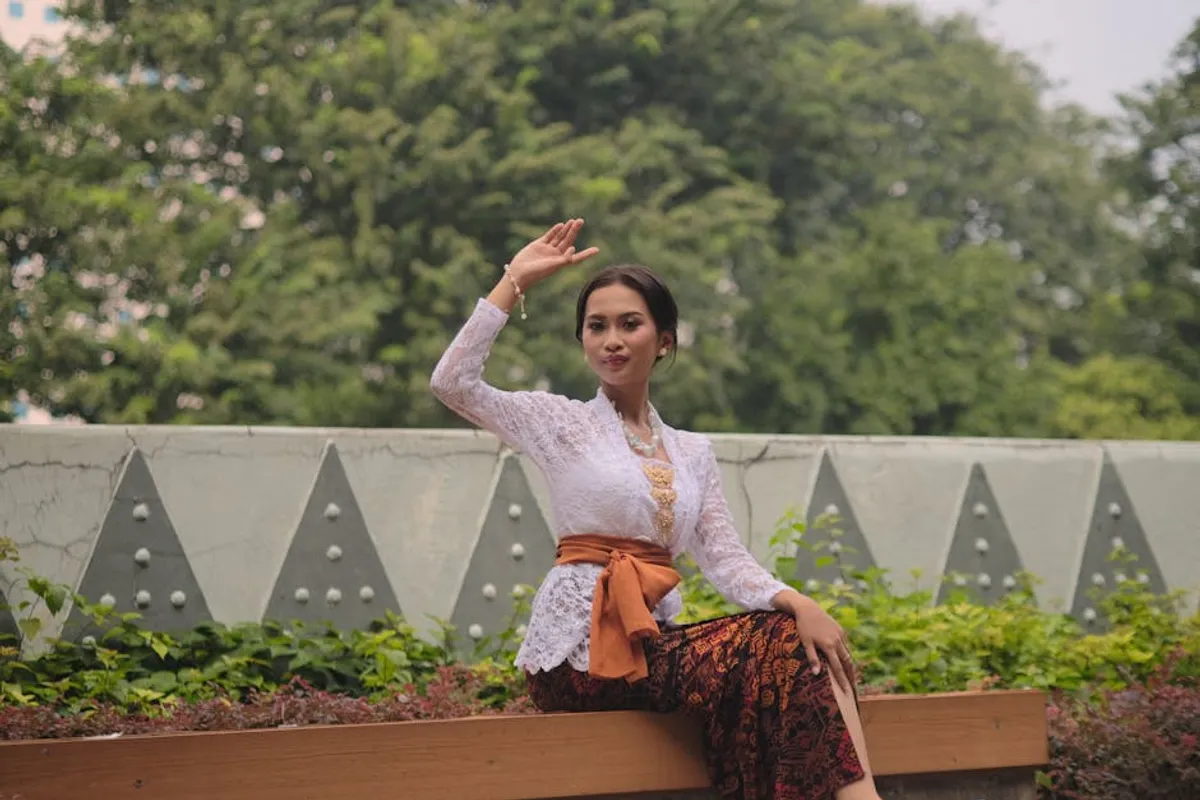
Selecting a kebaya involves balancing cultural heritage with personal style, ensuring the garment not only looks beautiful but also feels elegant for the wearer and the occasion. This guide explores the foundational elements of kebaya design, current trends, and practical styling advice to help you choose a model that embodies both tradition and contemporary sophistication. Understanding the nuances of silhouette, fabric, and embellishment allows for informed decisions, whether for a formal event, a cultural celebration, or a modern fusion look. Considering current kebaya style trends helps narrow down your choices.
Understanding the Kebaya Silhouette
The silhouette of a kebaya dictates its overall feel and how it drapes on the body. While rooted in tradition, modern interpretations offer a wider range of fits and forms.
Traditional vs. Modern Cuts
- Kartini: Characterized by its V-neckline and fitted bodice, often with a front opening secured by pins. This classic cut emphasizes a streamlined, elegant profile, suitable for formal settings.
- Kutubaru: Distinct from the Kartini by a connecting panel (bef) that runs between the two front flaps, creating a structured, often more modest look. It offers a refined, historical aesthetic.
- Encim: A Peranakan-influenced style, typically featuring intricate embroidery, often floral, and a more open, sometimes shorter, cut. It frequently uses sheer fabrics like lace or organza.
- Baju Kurung: While not strictly a kebaya, the Baju Kurung is a related Malay-Indonesian garment. It features a looser, tunic-like top paired with a long skirt, offering comfort and modesty, and is often adapted with kebaya-like embellishments.
- Modern Adaptations: Contemporary designers introduce elements like peplum hems, asymmetrical cuts, A-line shapes, or even cropped lengths. These variations often prioritize comfort and blend traditional aesthetics with current fashion trends, allowing for greater versatility in styling.
Fabric Choices and Their Impact
The fabric selection profoundly influences the kebaya's appearance, drape, and formality. Each material offers distinct characteristics that contribute to the garment's elegance.
Brocade: Known for its rich, woven patterns, brocade adds a luxurious and structured feel. It is often chosen for formal events due to its opulent appearance and ability to hold shape, lending itself to elaborate designs.
Lace: Delicate and intricate, lace kebaya exudes femininity and grace. Available in various patterns, from Chantilly to Guipure, it can be used as an overlay or as the primary fabric. Sheer lace requires a well-chosen lining to maintain modesty and enhance the pattern.
Silk: Offers a smooth, flowing drape and a subtle sheen. Silk kebaya feels luxurious against the skin and provides an elegant, sophisticated look, particularly in solid colors or with minimal embroidery. Its fluidity makes it comfortable for extended wear.
Organza and Tulle: These sheer, lightweight fabrics are often used for voluminous sleeves, overlays, or as a base for intricate embellishments. They contribute to a modern, ethereal aesthetic, adding dimension without significant weight.
Velvet: For cooler climates or evening events, velvet provides a rich texture and deep color saturation. A velvet kebaya offers a distinct, regal elegance, often chosen for its plush feel and luxurious visual impact.
Styling for Elegance and Sophistication
Beyond the kebaya itself, thoughtful styling through color, accessories, and complementary beauty choices elevates the entire ensemble.
Color Palettes and Their Meanings
Color choices convey mood and suitability for an occasion. Classic palettes maintain timeless elegance, while modern choices offer contemporary flair.
Classic Neutrals: Ivory, beige, soft grey, black, and navy offer understated sophistication. These colors are versatile, easy to accessorize, and suitable for a wide range of formal and semi-formal events. They emphasize the cut and texture of the kebaya.
Jewel Tones: Emerald green, sapphire blue, ruby red, and amethyst purple provide a rich, luxurious feel. These vibrant yet deep hues are excellent for evening wear and celebratory occasions, making a statement without being overly bright.
Pastels: Soft pinks, baby blues, mint greens, and lavender create a romantic, gentle aesthetic. Ideal for daytime events, garden parties, or younger wearers, pastels offer a fresh and delicate appearance.
Bold & Bright: For a contemporary and confident look, vibrant colors like fuchsia, electric blue, or sunny yellow can be striking. These choices are often seen in modern kebaya designs and are suitable for fashion-forward individuals attending less formal, yet festive, gatherings.
Accessorizing Thoughtfully
Accessories complete the kebaya look, adding personal touches without overpowering the garment.
Jewelry: Traditional Indonesian jewelry, such as pending (belt buckle), kerongsang (brooches), and tiered necklaces, complements classic kebaya. For modern styles, minimalist gold or silver pieces, or delicate pearl earrings, can provide a refined touch without competing with embroidery.
Footwear: High heels, particularly pumps or strappy sandals, enhance the elegant silhouette of most kebaya. For traditional events, selop (traditional slippers) are appropriate. Comfort is key; choose shoes that allow for graceful movement.
Handbags: A clutch or a small, structured handbag is generally preferred. Select a bag that harmonizes with the kebaya's color and embellishments, avoiding oversized or overly casual styles.
Selendang/Scarf: This traditional sash can be draped elegantly over one shoulder, tied at the waist, or used as a head covering. Its color and material should complement the kebaya, adding an extra layer of grace and cultural authenticity.
Pro Tip: Focus on fit above all else. A beautifully designed kebaya loses its elegance if it doesn't fit perfectly. Invest in tailoring to ensure the shoulders, waist, and sleeve lengths are precisely measured, creating a flattering and comfortable silhouette.
Hair and Makeup Synergy
Hair and makeup should enhance, not distract from, the kebaya. The goal is a cohesive, polished appearance.
Updos: Classic updos like sanggul (traditional bun) or modern chignons are popular for formal kebaya, providing a clean neckline that highlights collar details or jewelry. For a softer look, loose waves or a half-updo can complement contemporary styles.
Makeup: For daytime or semi-formal events, natural-looking makeup with a focus on clear skin and subtle enhancements is appropriate. For evening or formal occasions, more defined eyes (e.g., a soft smokey eye) or a bolder lip color can add sophistication, ensuring it balances with the kebaya's overall statement.
Current Trends in Kebaya Design
Contemporary kebaya designs incorporate global fashion elements while retaining their distinct Indonesian identity.
Contemporary Embellishments
Modern kebaya often features updated embellishment techniques.
3D Appliqués: Floral or geometric appliqués, often made from fabric, lace, or beads, add textural interest and a modern dimension to the kebaya surface. These can be strategically placed on sleeves, necklines, or as a focal point.
Beadwork and Sequins: While traditional, modern beadwork often involves more subtle placements or specific patterns. Fine sequins can create a delicate shimmer rather than an overtly glittering effect, enhancing the fabric's natural beauty.
Minimalist Embroidery: Moving away from dense, all-over patterns, current trends favor simpler, strategically placed embroidery. This might include delicate motifs along the edges, cuffs, or a single statement design, allowing the fabric and cut to speak.
Fusion Styles
The blending of kebaya with Western fashion elements creates innovative and versatile looks.
Kebaya with Western Skirts: Pairing a kebaya top with a voluminous ballgown skirt, a sleek A-line skirt, or a pleated midi skirt offers a contemporary formal ensemble suitable for diverse events. This allows for mixing traditional tops with modern silhouettes.
Kebaya with Pants/Culottes: For a chic, comfortable, and modern approach, some kebaya tops are designed to be worn with tailored trousers, wide-leg pants, or culottes. This creates a sophisticated and less formal alternative to traditional sarongs or batik skirts.
Layering Techniques: Modern kebaya can be layered over simple camisoles, or paired with outer vests or structured blazers for a unique, multi-dimensional look. This adds depth and allows for adapting the kebaya to different temperatures or style preferences.
Inspiration for Different Occasions
The versatility of the kebaya means it can be adapted for a wide array of events.
Formal Events and Weddings
For weddings, galas, or state functions, opt for kebaya made from luxurious fabrics like French lace or brocade, often with intricate hand-embroidery or beadwork. Longer lengths, perhaps with a subtle train, and structured silhouettes like the Kartini or Kutubaru, convey maximum elegance. Jewel tones or classic ivory and gold are popular choices, paired with traditional jewelry and a polished updo.
Semi-Formal Gatherings
For engagements, cultural celebrations, or dinner parties, a less elaborate kebaya is appropriate. Consider designs with simpler lace patterns, silk, or organza, in pastel or muted colors. Modern cuts with peplum details or a slightly shorter hem can offer a contemporary touch. Pair with a matching batik skirt or a tailored plain skirt, and choose comfortable yet stylish heels.
Casual Chic
While traditionally formal, lighter cotton or linen kebaya with minimalist designs can be styled for casual elegance. Think simple, unadorned tops in bright or earthy tones, paired with modern trousers, jeans, or a casual midi skirt. This approach emphasizes comfort and a relaxed, yet refined, aesthetic, suitable for everyday cultural events or informal gatherings.
Selecting Your Elegant Kebaya
Choosing the ideal kebaya requires considering the occasion, your personal style, and the garment's construction. Prioritize quality fabrics and tailoring, as these contribute significantly to the overall elegance and longevity of the piece. Experiment with different silhouettes and colors to discover what flatters your figure and expresses your individuality, ensuring the kebaya feels both authentic and contemporary. The goal is a harmonious blend of tradition and personal expression, resulting in a truly beautiful and elegant ensemble.
Frequently Asked Questions
What is the difference between traditional and modern kebaya?
Traditional kebaya typically adheres to classic silhouettes like Kartini or Kutubaru, often made from lace or brocade with intricate hand-embroidery, and paired with a batik sarong. Modern kebaya incorporates contemporary cuts, fusion elements, diverse fabrics like organza or velvet, and may be paired with trousers, skirts, or feature minimalist embellishments.
How do I choose the right fabric for my kebaya?
Fabric choice depends on the occasion and desired effect. Brocade and heavy lace are suitable for formal events due to their rich appearance and structure. Silk offers a flowing, luxurious drape for sophisticated looks. Lighter lace, cotton, or organza are often chosen for semi-formal or modern, comfortable styles.
Can kebaya be worn for casual occasions?
Yes, modern interpretations of kebaya can be styled for casual chic. Opt for kebaya made from lighter materials like cotton or linen, with simpler designs and minimal embellishments. Pair them with contemporary bottoms such as tailored trousers, jeans, or plain skirts for a relaxed yet elegant look.
What are common accessories for kebaya?
Common accessories include traditional jewelry like kerongsang (brooches) and pending (belt buckles), or modern minimalist pieces. A selendang (sash/scarf) can add elegance. Footwear typically includes heels or traditional selop, while a clutch or small handbag completes the ensemble.