
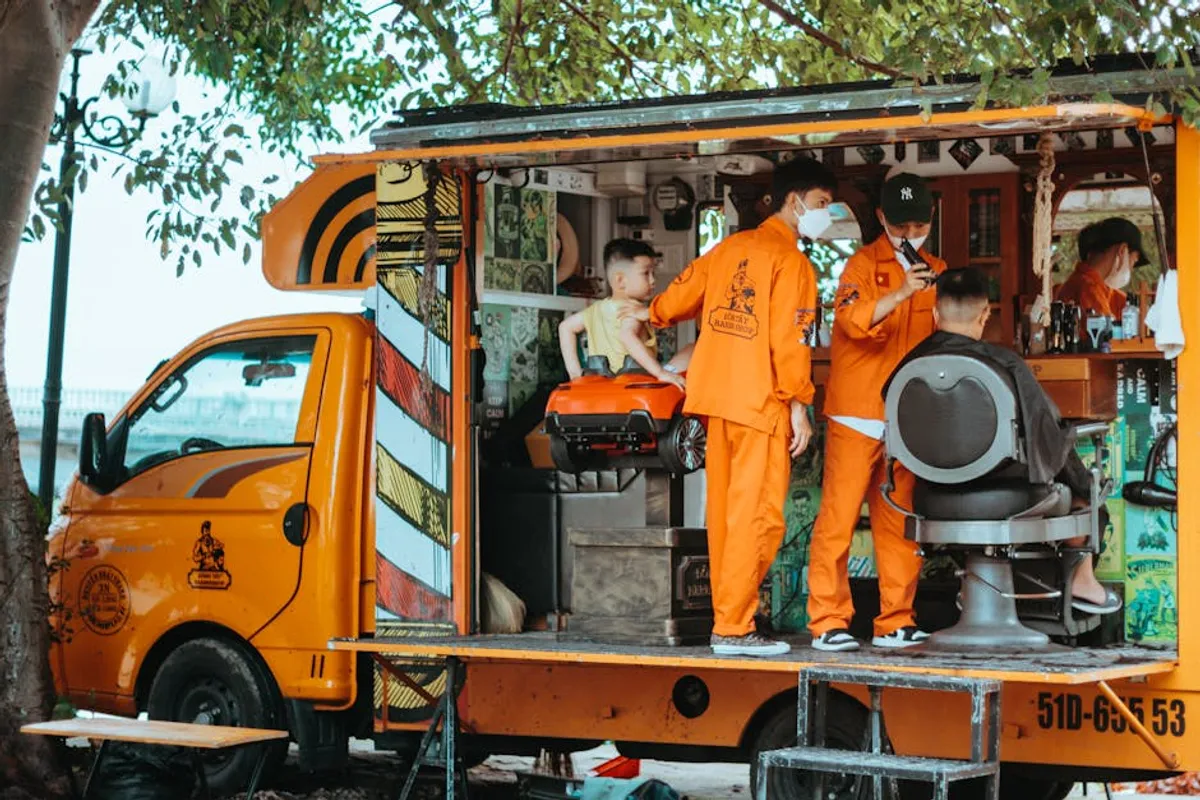
Choosing a haircut for a child involves balancing several factors: the child's age, hair texture, daily activity level, and increasingly, their own preferences. Unlike adult styles, kids' haircuts often prioritize practicality and ease of maintenance while still offering a sense of personal expression. The goal is a style that looks good, is comfortable for the child, and doesn't become a daily battle for parents during styling. Understanding current trends and classic options, alongside practical considerations, helps parents make informed decisions that satisfy both aesthetic desires and real-world demands.
Foundational Styles for Younger Children (Ages 2-7)
For toddlers and early school-aged children, durability and minimal styling effort are key. Hair is often finer and less dense, and children are less tolerant of lengthy grooming routines. Styles in this age group tend to be classic, allowing for growth and easy upkeep.
The Classic Bob (Girls)
This timeless cut remains popular for its clean lines and versatility. A bob can range from chin-length to shoulder-length, with or without bangs. It works particularly well for straight or slightly wavy hair, providing a neat appearance with minimal daily intervention. The blunt cut creates the illusion of thicker hair, which is beneficial for finer textures. It grows out gracefully, reducing the frequency of salon visits.
The Bowl Cut Reimagined (Boys & Girls)
While the traditional bowl cut had a rigid reputation, modern interpretations are softer and more adaptable. Today's version often incorporates subtle layering around the edges or on top to add texture and movement, preventing a severe look. It’s a low-maintenance option that keeps hair out of the face, making it practical for active kids. This style suits various hair types, from straight to wavy, and can be personalized with a slightly longer fringe or a more rounded silhouette.
Tapered Sides with Length on Top (Boys)
This style offers a structured yet playful look for younger boys. The sides and back are cut shorter, often with a slight taper that graduates in length, while the top is left longer. This allows for versatility in styling—it can be worn forward, swept to the side, or even spiked slightly for special occasions. The contrast in lengths provides definition without requiring heavy product use, and it maintains a neat appearance even as it grows out.
Evolving Trends for School-Aged Kids (Ages 8-12)
As children grow, their hair often becomes thicker, and they develop stronger opinions about their appearance. This age group often seeks styles that reflect emerging trends while still being age-appropriate and manageable for school and play. Personalization becomes a more significant factor.
Textured Layers (Girls)
For girls with medium to thick hair, textured layers add movement, reduce bulk, and provide shape without sacrificing significant length. This approach can be applied to longer bobs, shoulder-length cuts, or even longer styles. Layers around the face can soften features, while internal layering prevents a "helmet" look. It’s an excellent option for enhancing natural waves or curls, allowing for more air-drying and less heat styling.
The Undercut/Fade with Design Options (Boys)
Popular among pre-teen boys, the undercut or fade involves very short hair on the sides and back, gradually blending into longer hair on top. This creates a sharp, clean aesthetic. The appeal for this age group often lies in the ability to incorporate shaved-in designs or "hair tattoos" on the shorter sections, offering a unique, customizable element. Maintenance is higher due to the need for regular trims to keep the fade sharp and designs visible, but the impact on personal style is significant.
Mid-Length Shags and Mullets (Gender-Neutral)
The modern shag and mullet have made a comeback, adapted for a younger audience. These styles feature layers that are shorter at the top and crown, progressing to longer lengths at the back and sides. The key difference from their 80s predecessors is softness and texture, often enhanced with natural waves or curls. They offer a rebellious yet chic look, promoting individuality and requiring minimal precise styling, often just a texturizing spray or mousse to enhance natural movement.
Practical Considerations for Parents and Stylists
Beyond aesthetics, a successful kids' haircut hinges on practical factors that ensure comfort, manageability, and longevity.
- Hair Type and Texture Match: Straight hair holds blunt cuts well; wavy hair benefits from layers to enhance movement; curly and coily hair requires specific cutting techniques to prevent frizz and define curl patterns. A style that fights the natural texture will be difficult to maintain daily.
- Maintenance and Lifestyle: Consider how often you are willing to visit the salon for trims. Shorter styles and fades require more frequent upkeep (every 3-5 weeks) to retain their shape, while longer, layered cuts can go longer (6-10 weeks). Daily styling effort is also a factor; active kids often benefit from wash-and-go styles that don't impede play.
- Communication with the Stylist: Bring reference photos to clearly convey the desired look. Discuss your child's hair texture, growth patterns, and daily routine. For younger children, explain the process in simple terms and ensure they are comfortable. A positive salon experience often starts with clear expectations and a stylist who understands children's needs.
Pro Tip: Before any haircut, discuss your child's daily routine and hair texture with the stylist. This ensures the chosen style is not only aesthetically pleasing but also practical for everyday wear and manageable for you to maintain, preventing frustration for both child and parent.
Making the Cut: A Confident Approach
Selecting a kids' haircut is a collaborative effort between parent, child, and stylist. Prioritize open communication, realistic expectations about maintenance, and the child's comfort. A well-chosen haircut boosts a child's confidence, simplifies daily routines, and allows them to express their personality. By considering their age, hair type, and lifestyle, you can ensure a positive and stylish outcome that both you and your child will appreciate.
Frequently Asked Questions
How often should a child get their hair cut?
This depends on the style and how quickly their hair grows. Shorter cuts, especially those with fades or specific designs, typically require trims every 3-5 weeks to maintain their shape. Longer styles or those with layers can often go 6-10 weeks between cuts, or even longer if growth is slow.
What if my child doesn't want a specific haircut?
Involving your child in the decision-making process is crucial, especially for older kids. Offer a few age-appropriate options and let them choose. If they have a strong preference that is impractical, discuss the reasons why (e.g., too much daily styling, not suitable for their hair type) and find a compromise that makes them feel heard and happy.
How can I make the haircut experience less stressful for my child?
Choose a child-friendly salon or stylist experienced with kids. Schedule appointments during times when your child is well-rested and fed. Bring a comfort item or a distraction like a tablet. Positive reinforcement and explaining each step of the process can also help alleviate anxiety.
Are there styles that work for all hair types?
While some styles are more versatile, "one size fits all" is rare. Cuts like the classic bob or a layered mid-length style can be adapted for various hair types with modifications. However, the best approach is always to choose a style that complements and enhances your child's natural hair texture, minimizing styling effort and maximizing natural beauty.