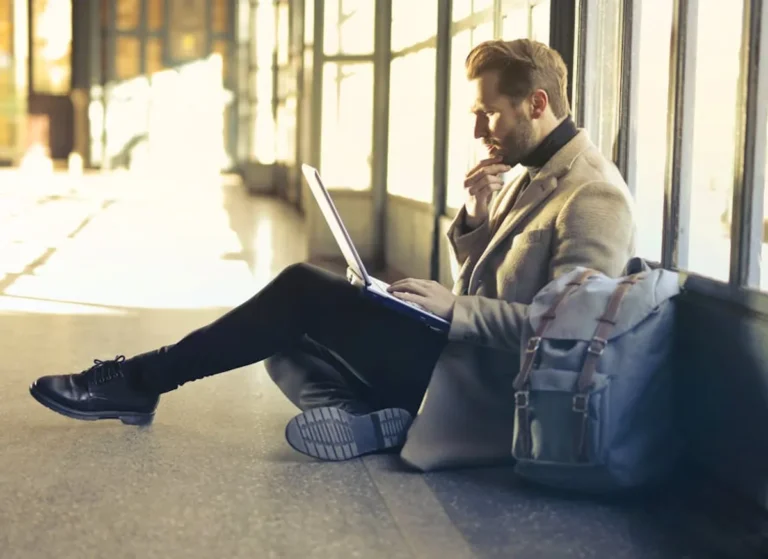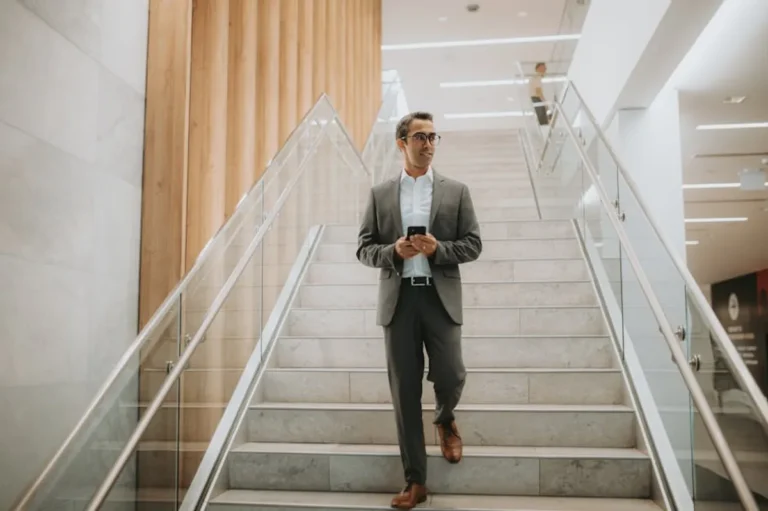
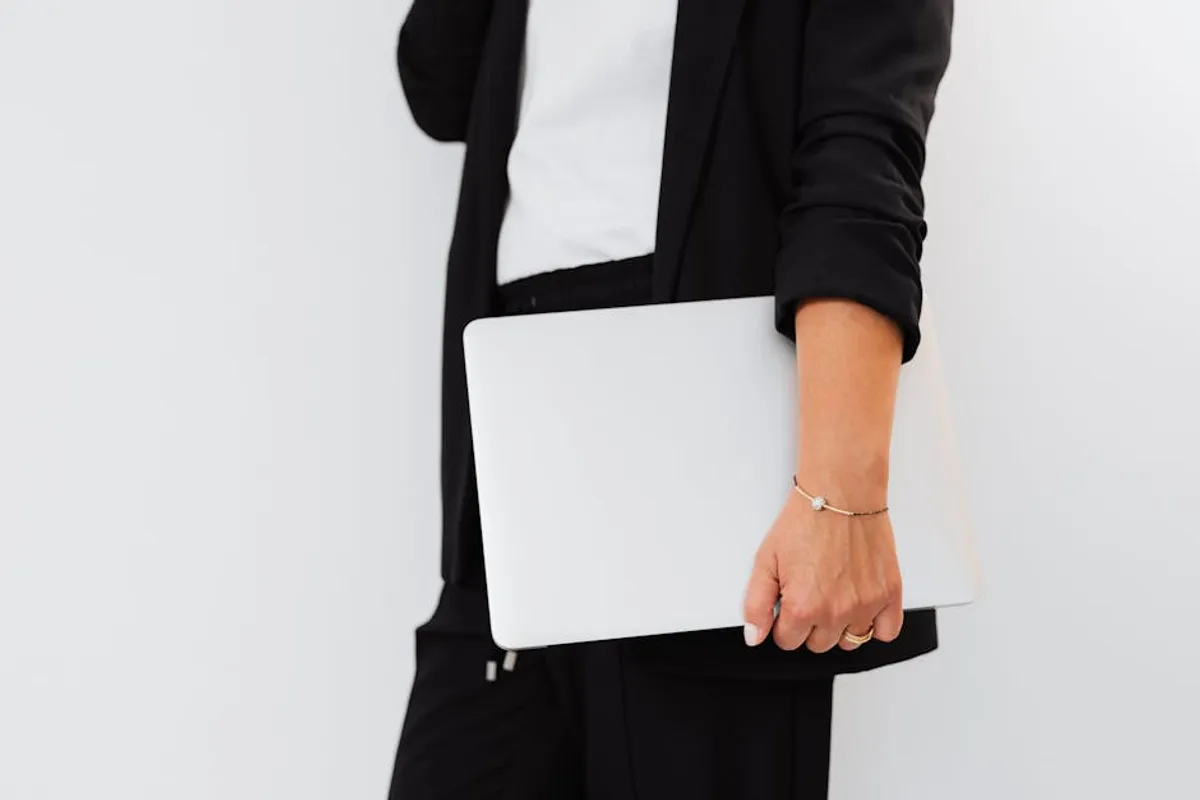
Editorial photography transcends mere documentation; it crafts a visual narrative, conveying brand identity, mood, and message. The impact of an editorial image hinges significantly on how the subject interacts with the frame, and this interaction is primarily governed by posing. Effective posing for hands, face, and body transforms a static image into a dynamic statement, guiding the viewer's eye and reinforcing the intended story. Neglecting these elements results in images that feel stiff, disconnected, or fail to communicate the desired commercial message, directly impacting a brand's visual efficacy. This process of effective posing is key to how to build confidence and ensure your subject feels comfortable and empowered on set.
Posing the Body for Editorial Impact
The body is the foundation of any pose, establishing the overall silhouette and contributing to the image's compositional strength. In editorial contexts, the body's posture often communicates status, emotion, or a specific brand attribute without explicit verbal cues.
Dynamic Angles and Lines
Avoid flat, head-on poses that lack dimension. Instead, encourage subjects to shift their weight, creating subtle angles and curves. A slight turn of the shoulders, a bend in the knee, or a gentle lean can introduce leading lines that direct the viewer's gaze through the frame. For instance, an open posture with shoulders slightly angled away from the camera can convey approachability, while a more closed, angular stance might suggest intensity or fashion-forward sophistication. Consider the negative space created by the body's form; these shapes contribute as much to the composition as the subject itself. Experiment with high and low camera angles to emphasize or diminish certain body parts, altering the perceived power dynamic.
Storytelling Through Posture
Every posture carries an implicit message. A slumped posture communicates weariness or introspection, while an upright, expansive stance projects confidence and authority. For editorial work, align the body's posture with the narrative. If the brand emphasizes innovation, a forward-leaning, engaged posture can underscore dynamism. If the message is about luxury, a relaxed, elegant recline might be more appropriate. Pay attention to the spine's curve and the distribution of weight; these subtle adjustments dramatically alter the psychological impact of the image. For group shots, consider how individual postures interact to form a cohesive visual story, avoiding identical poses that feel artificial.
Directing the Face: Expression and Gaze
The face is the focal point for emotional connection and often the primary conduit for the image's narrative. Subtle shifts in facial expression and eye direction profoundly influence how an audience perceives the message.
Capturing Authentic Emotion
Editorial photography benefits from expressions that appear genuine rather than forced. Rather than asking for a generic "smile," prompt subjects with scenarios or thoughts that evoke the desired emotion naturally. A slight smirk, a thoughtful frown, or a look of intense focus often carries more weight than an exaggerated grin. The eyes are crucial; ensure they convey the emotion. A relaxed jaw and slightly parted lips can soften an expression, while a tightened jawline adds intensity. Avoid over-directing to the point where expressions become stiff or unnatural; allow for moments of candidness within a directed pose.
The Power of Eye Contact (or lack thereof)
The subject's gaze dictates viewer engagement. Direct eye contact creates an immediate, personal connection, drawing the audience into the narrative. This is effective for conveying confidence, directness, or intimacy. Conversely, a gaze directed off-camera can create a sense of mystery, contemplation, or aspiration, inviting the viewer to wonder what the subject is looking at. A downward gaze can suggest introspection or humility. For editorial work, consider the brand's desired relationship with its audience: is it direct and engaging, or more aspirational and observational? Align the gaze accordingly.
The Art of Hand Posing
Hands are notoriously challenging to pose effectively but are critical details that can either elevate or detract from an image. Awkwardly placed or stiff hands break the illusion of naturalness and distract from the primary message.
Natural Placement and Gestures
The goal is for hands to appear relaxed and purposeful. Avoid "lobster claw" hands (stiff, splayed fingers) or "dead fish" hands (limp, lifeless). Encourage subjects to lightly touch their face, hair, or clothing, or to hold a prop naturally. Fingers should be gently curved, not rigidly straight or tightly clenched. When hands are visible, ensure the nails are clean and well-maintained. For men, a slight clenching of the fist can convey strength, while for women, a softer curve is often preferred. Pay attention to the wrist; a slight bend adds grace, while a rigid wrist appears unnatural.
Avoiding Distractions
Hands should complement the pose, not dominate it. Avoid placing hands directly in front of the face or other key elements, which can obscure the subject or create visual clutter. Ensure hands are not disproportionately large or small in the frame due to perspective distortion; adjust the subject's distance from the camera or the camera angle if necessary. When hands are at rest, ensure they are not hidden entirely, which can make the pose feel incomplete. A subtle gesture, like a hand resting gently on a hip or tucked into a pocket, can add character without drawing undue attention.
Pro Tip: To achieve natural hand poses, have the subject perform a small, relevant action just before the shot, such as adjusting a cuff, touching their hair, or picking up an object. This transitions them into a more relaxed, authentic hand position rather than holding a static, unnatural pose. Capture these in-between moments.
Integrating Elements for Cohesion
The most compelling editorial images harmonize the body, face, and hands into a single, cohesive statement. This requires a holistic approach to direction. Start with the overall body posture, then refine the facial expression to match the body's message, and finally, adjust the hands to complete the narrative. Ensure consistency across all elements; a confident body pose paired with a timid facial expression creates dissonance. Regularly check the monitor during the shoot to assess the overall impact and make real-time adjustments. Consider the subject's attire, the lighting, and the background as integral components that interact with the pose to create the final visual product.
Refining Your Posing Workflow
Develop a systematic approach to posing. Begin with a general direction for the body, then move to specific adjustments for the head and shoulders, followed by refining facial expressions and eye lines. Address hand placement last, as it often falls naturally once the larger elements are in place. Provide clear, concise instructions, demonstrating poses if necessary. Offer positive reinforcement and break down complex poses into smaller, manageable steps. Encourage movement and slight variations within a pose to capture a range of expressions and angles. This iterative process allows for precise control while maintaining a natural, fluid feel.
Frequently Asked Questions
How do I avoid stiff poses in editorial photography? Encourage continuous, subtle movement. Ask the subject to shift weight, adjust their head slightly, or change their hand position every few seconds. Capturing moments between static poses often yields more natural results.
What is the most effective way to direct eye gaze? Clearly communicate where you want the subject to look: directly at the lens, at a specific point off-camera, or at a prop. Explain the emotional or narrative reason behind the gaze to help the subject connect with the direction.
Should hands always be visible in editorial photos? Not necessarily, but when they are visible, they must contribute positively to the image. If hands are hidden, ensure the pose still feels balanced and complete. If they are visible, ensure they are relaxed and purposeful.
How do I make a subject feel comfortable during posing? Establish rapport before the shoot. Provide clear, encouraging feedback and demonstrate poses if needed. Play music, keep the environment relaxed, and take breaks to prevent fatigue, which can lead to stiff, unnatural poses.