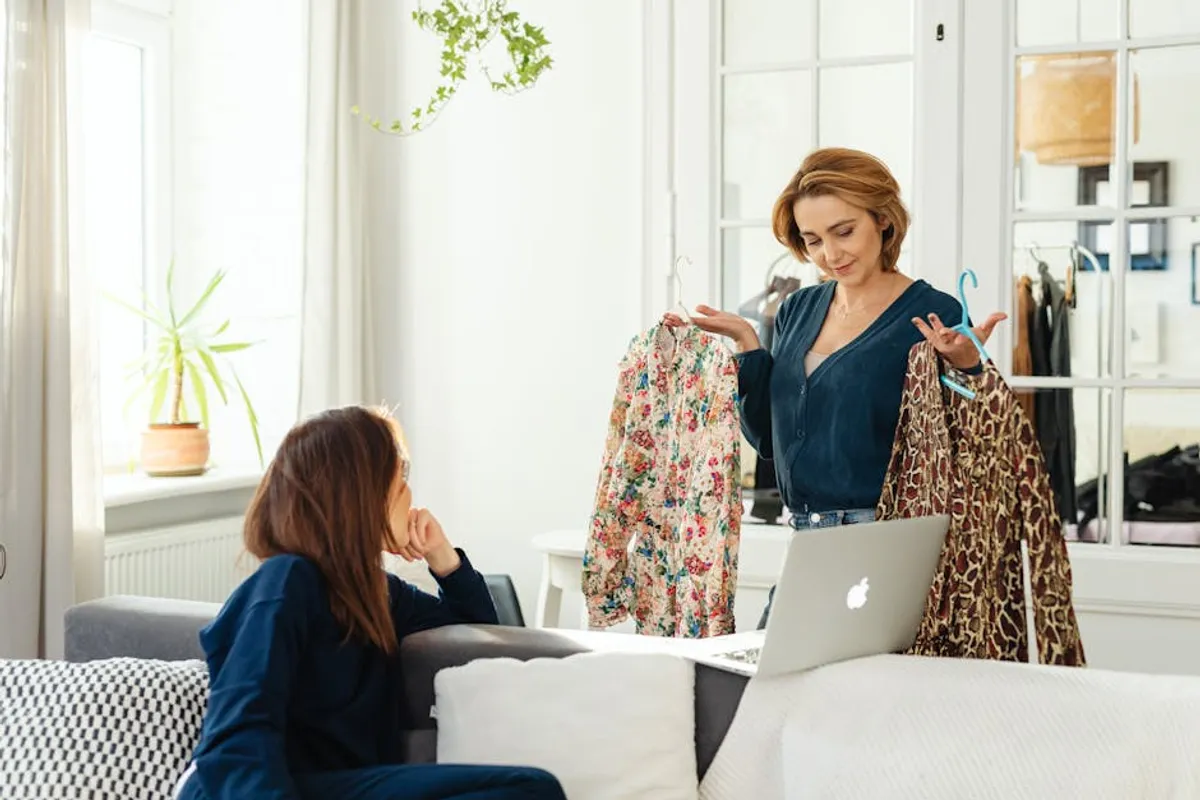
A model test shoot serves as a crucial opportunity to expand a portfolio, showcase versatility, and define a personal brand. The selection of outfits for this session is not merely about aesthetics; it directly influences the range of expressions captured, the quality of the resulting images, and ultimately, the model's marketability. Strategic outfit choices communicate professionalism, highlight a model's unique attributes, and provide photographers with diverse material to work with, making the resulting images valuable assets for career progression. This preparation directly contributes to building confidence in front of the camera, ensuring a more relaxed and authentic modeling presence.
Defining the Test Shoot's Objective
Before selecting any garment, clarify the specific purpose of the test shoot. This foundational step ensures every outfit choice contributes directly to the desired outcome, rather than merely filling a frame.
Model's Portfolio Goals
Consider the type of work the model aims to attract. A test shoot intended to secure commercial catalog work will require different attire than one focused on high fashion editorial submissions. For commercial appeal, prioritize clean lines, relatable styles, and garments that allow for broad appeal. For editorial or artistic work, more avant-garde or conceptual pieces might be appropriate. The outfits should align with the model's career aspirations, demonstrating their range within their target niche. For example, a model seeking fitness endorsements needs athletic wear that showcases physique and movement, while one targeting beauty campaigns benefits from simple necklines that draw attention to the face. Once the attire is aligned with career goals, understanding how to pose for fashion photography becomes the next critical step in creating impactful test shoot images.
Photographer's Creative Direction
Effective test shoots are collaborative. Discuss the photographer's vision, mood board, and lighting schemes in advance. A photographer aiming for a moody, dramatic aesthetic might prefer darker, textured fabrics, while a light, airy concept would benefit from softer colors and flowing materials. Understanding their technical approach, such as whether they plan to shoot in natural light or studio settings, can also inform fabric choices and color saturation. This alignment ensures the wardrobe complements, rather than competes with, the overall artistic direction.
Core Outfit Categories for Versatility
A well-rounded test shoot wardrobe includes a mix of foundational pieces and items that highlight individuality. This approach maximizes the number of distinct looks achievable within a single session.
Foundation: Classic and Neutral Staples
These pieces form the backbone of any versatile test shoot wardrobe. They are timeless, minimize distractions, and allow the model's face and form to remain the primary focus.
- Well-fitting denim: Dark wash, medium wash, and black jeans without excessive distressing or prominent logos.
- Basic T-shirts/tanks: Solid colors like black, white, grey, and nude. Ensure they are clean, wrinkle-free, and fit well without being too tight or baggy.
- Simple dress/skirt: A little black dress, a neutral-colored slip dress, or a tailored pencil skirt. These offer elegance and can be styled up or down.
- Tailored separates: A crisp white button-down shirt, a well-cut blazer, or tailored trousers in neutral tones. These convey sophistication and structure.
These items provide a blank canvas, allowing for easy transformation with accessories or layering, and are essential for showing a model's raw potential.
Expression: Personality-Driven Pieces
Beyond the basics, include 1-2 outfits that genuinely reflect the model's personal style or a specific niche they excel in. This could be a vibrant patterned dress, a unique vintage find, or a piece that showcases a specific talent like dance or athleticism. These outfits help the model connect with the clothing, resulting in more authentic expressions and a stronger personal brand statement. The goal is to show range and individuality, differentiating the model from others.
Dynamics: Texture and Movement
Fabrics with interesting textures or those that create movement when worn add depth and visual interest to photographs. Consider:
Textural elements: Knitwear, lace, silk, leather, suede, or garments with subtle embroidery. These catch light differently and provide tactile appeal in images.
Movement-enhancing fabrics: Flowing silks, chiffons, or garments with pleats and ruffles. These are particularly effective for capturing dynamic poses and adding an ethereal quality to shots, especially with fans or wind machines.
These elements prevent images from appearing flat and offer the photographer more opportunities for creative composition.
Strategic Outfit Selection Principles
Beyond categories, apply specific principles to refine outfit choices and ensure maximum impact.
Fit, Comfort, and Movement
Ill-fitting clothes detract from a model's physique and can restrict posing. Ensure all garments fit impeccably, highlighting the model's best features without being overly revealing or baggy. Comfort is paramount; if a model is uncomfortable, it will show in their expressions and body language. Test outfits for freedom of movement to confirm they allow for a full range of poses without strain or awkward bunching.
Color Theory and Skin Tone
Select colors that complement the model's skin tone, hair color, and eye color. Earth tones, jewel tones, and classic neutrals are generally safe choices. Avoid colors that wash out the model or create unflattering reflections on the skin. Bright, saturated colors can work, but ensure they don't overpower the model or clash with the photographer's intended mood. The right color palette enhances the model's natural beauty and contributes to a cohesive visual story.
Minimizing Distractions
The primary focus of a test shoot is the model. Avoid outfits with large, prominent logos, busy patterns, or excessive embellishments that draw attention away from the model's face and form. While subtle patterns or textures are beneficial, anything that competes for attention should be avoided. The goal is to showcase the model, not the brand of clothing.
Pro Tip: Always bring more options than you think you'll need, but curate them carefully. A well-organized selection of 8-10 versatile outfits is more effective than 20 haphazard choices. Discuss the final selection with the photographer and any stylist involved; their professional eye can offer crucial insights into what will photograph best and align with the shoot's vision. This collaborative vetting process minimizes on-set indecision and maximizes efficiency.
Layering and Accessory Integration
Layering allows for quick changes and adds dimension to looks. A simple tank can be transformed with a blazer, a cardigan, or a denim jacket. Scarves, belts, and understated jewelry can subtly alter an outfit's mood without requiring a full change. Prioritize versatile accessories that can be mixed and matched across several looks. Avoid overly trendy or statement pieces that might quickly date the images or detract from the model.
Pre-Shoot Logistics and Communication
Preparation extends beyond simply choosing outfits; how they are presented and communicated ensures a smooth shoot day.
Organization and Presentation
All garments must be clean, ironed, and ready to wear. Transport them in garment bags or neatly folded in a suitcase to prevent wrinkles. Organize outfits into distinct looks, perhaps with corresponding accessories, to streamline changes on set. This level of organization demonstrates professionalism and respect for the photographer's time.
Collaborative Planning
Share photos of potential outfits with the photographer and stylist (if applicable) well in advance. This allows them to visualize the looks, plan lighting, and suggest any adjustments. Open communication prevents surprises and ensures everyone is aligned on the aesthetic goals for each setup. Confirm footwear options, undergarment needs (e.g., nude seamless, strapless bra), and any specific hair or makeup considerations for each outfit.
Maximizing Your Test Shoot Outfit Impact
The strategic selection of outfits for a model test shoot is a direct investment in a model's career. By focusing on the shoot's objectives, curating a versatile wardrobe of foundational and expressive pieces, and adhering to principles of fit, color, and minimal distraction, models can ensure their portfolio showcases their full potential. Meticulous preparation and open communication with the creative team transform a good selection into a compelling visual narrative, yielding images that resonate with agents and clients alike.
Frequently Asked Questions
How many outfits should I bring to a test shoot?
Aim for 5-8 distinct looks. This allows for variety without overwhelming the shoot schedule or the photographer. Each look should offer a different facet of your modeling capabilities.
Should I bring my own shoes and accessories?
Yes, always bring a selection of clean, well-maintained shoes (heels, flats, boots, sneakers) and versatile accessories (jewelry, belts, scarves). These complete outfits and offer additional styling opportunities.
What kind of underwear should I wear?
Wear seamless, nude-colored underwear, including a strapless bra and thong/briefs, to avoid visible lines under various outfits. Ensure all undergarments are clean and in good condition.
Are there any colors I should absolutely avoid?
Avoid neon colors, highly reflective fabrics, or overly busy patterns that can be distracting or difficult to light. Also, be cautious with pure white or black if the photographer plans to shoot on similar backgrounds, as it can make separation difficult.