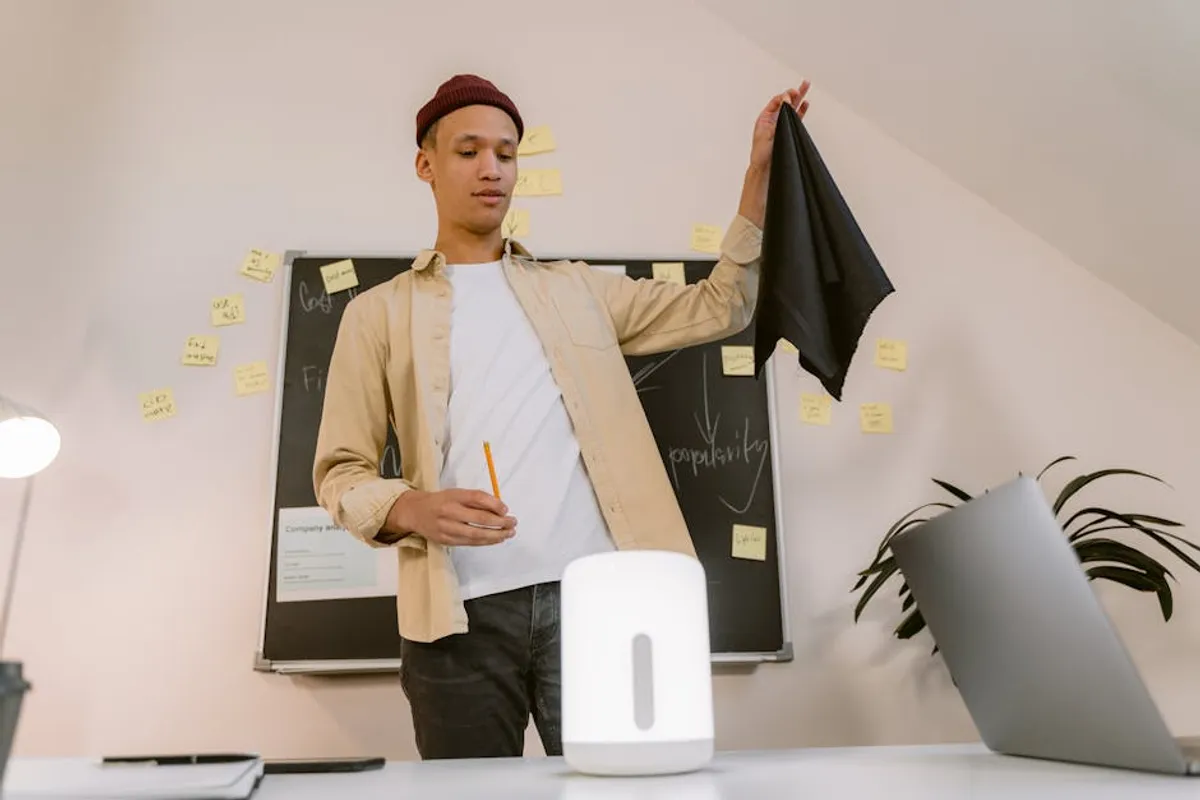
Selecting the right outfits for a test shoot transcends mere aesthetics; it's a strategic decision impacting visual narrative, brand alignment, and ultimately, the commercial efficacy of the resulting images. A well-chosen wardrobe communicates intent, establishes mood, and can significantly enhance the model's comfort and confidence, translating into more authentic and compelling photographs. This guide provides a curated selection of outfit concepts, each designed with specific photographic and commercial outcomes in mind, moving beyond generic fashion advice to offer practical considerations for visual content creators. This strategic approach ensures that every element aligns with the overarching goals of planning a test shoot and achieving desired outcomes.
Key Considerations for Test Shoot Outfits
Before selecting specific outfits, evaluate the shoot's overarching objectives. Consider the target audience for the final images, whether they are for a personal portfolio, a brand campaign, e-commerce listings, or editorial content. The wardrobe should align with the desired brand aesthetic, demographic appeal, and the specific products or concepts being highlighted. Prioritize versatility, ensuring pieces can be styled in multiple ways or easily layered to create diverse looks without extensive wardrobe changes. Fabric choice is also critical; avoid overly reflective materials, busy patterns that distract, or garments that wrinkle easily. Comfort for the model is paramount, as discomfort can manifest in stiff poses and expressions, detracting from the image's natural appeal.
1. The Elevated Neutral Base
This concept centers on high-quality, well-fitting garments in muted, sophisticated tones like cream, taupe, charcoal, or olive. Think tailored trousers, a silk camisole, a fine-gauge knit sweater, or a crisp linen shirt. The emphasis is on texture and cut rather than bold color or pattern, allowing the model's features and the overall mood to dominate. This approach creates a clean, sophisticated canvas that is easily adaptable to various product integrations or mood shifts through lighting and props.
Best For: High-end editorial, minimalist brand campaigns, portraiture where facial expression is key, showcasing delicate jewelry or accessories, and lifestyle product shots requiring a refined backdrop.
Pros: Timeless appeal, creates a polished and expensive look, highly versatile for styling, minimizes distractions, allows for easy post-production color grading, comfortable for extended wear.
Cons: Can appear too understated without careful styling or strong model presence, risks looking generic if fabric quality is poor, may not convey high energy or playful themes effectively.
Verdict: An indispensable foundation for any test shoot aiming for elegance and adaptability, best executed with attention to fabric quality and precise fit to avoid blandness.
2. Classic Denim & White Tee
A perennial favorite, this combination offers universal appeal and an immediate sense of approachability. Opt for well-fitting, clean denim (jeans, jacket, or skirt) and a pristine white t-shirt or tank top. The simplicity of this look makes it a powerful choice for showcasing natural beauty, highlighting product details against a neutral background, or conveying an effortless, casual vibe. The key lies in the quality and fit of each piece, ensuring they look fresh and contemporary.
Best For: Lifestyle photography, casual e-commerce product display, natural beauty campaigns, accessible brand messaging, and dynamic movement shots.
Pros: Broad demographic appeal, instantly recognizable and relatable, easy to source, provides a clean backdrop for products, allows for quick accessorizing, comfortable for models.
Cons: Can appear overly casual for some brand aesthetics, risks looking uninspired if not styled with intention, requires careful attention to wrinkles and stains on the white tee.
Verdict: A reliable, versatile option for conveying authenticity and ease, particularly effective when the goal is to create approachable and relatable visual content.
3. Structured Tailoring
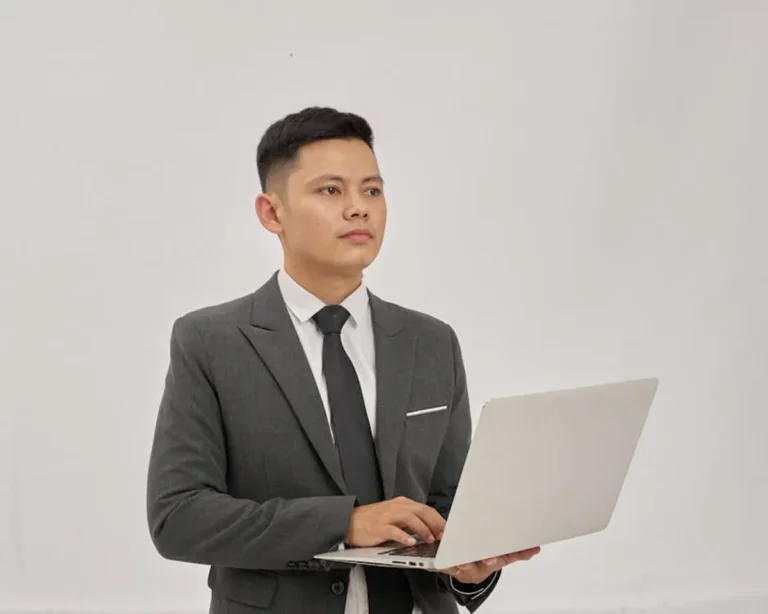
This category encompasses sharp blazers, tailored trousers, crisp button-down shirts, and structured vests. The focus is on clean lines, precise fit, and fabrics that hold their shape. This look projects professionalism, confidence, and a sense of authority. It can be adapted from a traditional corporate aesthetic to a more modern, gender-neutral power look, depending on color and accessory choices. Oversized blazers paired with more fitted undergarments offer a contemporary twist.
Best For: Professional portraits, corporate branding, fashion editorial with a sophisticated edge, showcasing business accessories, and imagery requiring a strong, authoritative presence.
Pros: Conveys professionalism and sophistication, creates strong silhouettes, photographs well due to defined lines, offers a sense of confidence, versatile for both formal and smart-casual interpretations.
Cons: Can feel stiff or restrictive for models, less suitable for dynamic or playful shoots, requires precise fit to avoid looking ill-proportioned, may not appeal to all target demographics.
Verdict: Essential for shoots requiring a powerful, polished, and credible aesthetic, best utilized when the narrative demands strength and refinement.
4. Bohemian Flow
Characterized by loose silhouettes, natural fabrics, intricate patterns, and earthy tones, the bohemian aesthetic evokes a sense of freedom, creativity, and connection to nature. Think maxi dresses, wide-leg pants, embroidered blouses, and layered textures. This style often incorporates elements like fringe, tassels, and delicate jewelry. The movement of the fabric is a key photographic element, adding dynamism and softness to images.
Best For: Outdoor lifestyle shoots, artisanal product campaigns, fashion editorial with a natural or free-spirited theme, beauty campaigns emphasizing natural elements, and evoking a relaxed, artistic mood.
Pros: Creates visually interesting textures and movement, conveys a sense of ease and authenticity, allows for creative posing, broad appeal for certain niche markets, comfortable for models.
Cons: Can appear overly casual or unkempt if not styled carefully, may not suit all brand aesthetics, busy patterns can distract from products, requires specific lighting to capture fabric nuances.
Verdict: Ideal for imbuing images with a natural, artistic, and unconstrained feel, particularly effective for brands emphasizing organic or handcrafted qualities.
5. Athleisure Chic
Blending athletic wear with fashion-forward elements, athleisure chic offers comfort without sacrificing style. This look involves elevated activewear pieces like sleek leggings, stylish sports bras, tailored joggers, and modern hoodies, often paired with fashion sneakers or minimalist accessories. The focus is on performance fabrics, clean lines, and a contemporary, active lifestyle. It communicates health, dynamism, and modern practicality.
Best For: Fitness and wellness brands, active lifestyle campaigns, streetwear fashion, product photography of activewear or tech gadgets, and conveying energy and movement.
Pros: Extremely comfortable for models, conveys a modern and healthy image, versatile for dynamic posing, appeals to a wide, active demographic, easily styled for both gym and casual settings.
Cons: Can appear too casual for some high-fashion or corporate contexts, requires specific fit to look polished, risks looking like generic workout gear without careful styling and quality pieces.
Verdict: A strong choice for brands targeting a health-conscious, active, and modern audience, providing a balance of comfort and contemporary style.
6. Bold Color Block
This involves pairing solid blocks of contrasting or complementary colors to create a visually striking and modern aesthetic. Think a vibrant primary color top with a secondary color bottom, or a monochromatic look with different shades of the same hue. The simplicity of solid colors allows the shape of the garment and the model's form to stand out, while the color choice injects personality and energy. This approach is highly effective for creating impactful, memorable images.
Best For: Fashion editorial, avant-garde concepts, campaigns for vibrant or playful brands, creating high-impact social media content, and showcasing bold accessories.
Pros: Creates dynamic and eye-catching visuals, conveys confidence and modernity, allows for strong brand color integration, effective for conveying specific moods or energies, minimizes distractions from complex patterns.
Cons: Can be challenging to execute without looking garish, requires careful consideration of color theory, less versatile for subtle or minimalist themes, colors can be difficult to manage consistently across different lighting conditions.
Verdict: A high-impact strategy for generating vibrant, memorable imagery, best suited when the goal is to make a strong visual statement and capture immediate attention.
7. Textural Play
Focusing on garments with distinct and interesting textures adds depth and tactile appeal to photographs. Examples include chunky knit sweaters, sleek leather pants or jackets, soft velvet dresses, crinkled linen, or sheer organza overlays. The interplay of light on different surfaces creates visual interest and can convey luxury, comfort, or edge depending on the chosen textures. This approach encourages closer inspection of the image.
Best For: High-fashion editorial, luxury brand campaigns, showcasing fabric quality, creating intimate portraits, and adding sensory richness to visual narratives.
Pros: Adds visual depth and richness, creates a luxurious and sophisticated feel, encourages viewer engagement, can convey specific moods (e.g., cozy, edgy, ethereal), photographs well with directional lighting.
Cons: Some textures can be difficult to photograph accurately (e.g., highly reflective, very dark), may require specific lighting setups to highlight texture, can distract if too many textures are combined, less versatile for broad commercial applications.
Verdict: An advanced technique for adding sophistication and sensory appeal, particularly effective for brands that prioritize material quality and visual storytelling through tactile elements.
8. Vintage-Inspired Silhouettes
Drawing inspiration from specific fashion eras (e.g., 1950s full skirts, 1970s wide-leg trousers, 1990s slip dresses), vintage-inspired outfits offer a distinct aesthetic and narrative potential. This approach allows for creative storytelling, evoking nostalgia or a specific cultural mood. The key is to select pieces that reference an era without looking like a costume, often by pairing them with modern elements or styling them in a contemporary way.
Best For: Themed editorial shoots, campaigns for retro-inspired brands, creating unique and memorable visual content, evoking a sense of history or nostalgia, and fashion storytelling.
Pros: Creates a unique and distinctive visual identity, allows for rich storytelling, can appeal to specific niche markets, offers a break from contemporary trends, photographs well with period-appropriate styling.
Cons: Can alienate audiences unfamiliar with the specific era, risks looking costumey if not styled carefully, less versatile for general commercial use, sourcing authentic or well-made vintage pieces can be challenging.
Verdict: A powerful tool for creating unique, narrative-driven imagery, best employed when the brand or concept benefits from a specific historical or nostalgic association.
9. Monochromatic Layering
This involves building an outfit using multiple shades and textures of a single color. For example, an all-beige look could combine a chunky knit sweater, linen trousers, and a silk scarf, all within the beige-to-tan spectrum. This creates a harmonious, sophisticated, and visually interesting ensemble without relying on contrasting colors. The depth comes from the different fabric weights, finishes, and subtle tonal variations.
Best For: High-fashion editorial, minimalist brand campaigns, luxury product photography, creating a serene or elegant mood, and showcasing nuanced fabric details.
Pros: Creates a cohesive and sophisticated aesthetic, visually elongating and flattering, highlights texture and form, easy to coordinate, projects a sense of quiet luxury, versatile for various lighting conditions.
Cons: Can appear bland or one-dimensional if not executed with varying textures, risks looking like a uniform if color match is too exact, less suitable for conveying high energy or playful themes.
Verdict: An excellent strategy for achieving a refined, cohesive, and sophisticated look, particularly effective for brands that value subtlety and understated elegance.
10. Statement Outerwear
Sometimes, the entire outfit can revolve around one key piece: a striking coat, jacket, or trench. This could be a brightly colored trench, an oversized faux fur coat, a beautifully tailored wool jacket, or a unique denim piece. The rest of the outfit remains simple and understated, allowing the outerwear to be the focal point. This approach is particularly effective for seasonal campaigns or when a strong, singular fashion statement is desired.
Best For: Seasonal fashion campaigns, editorial features on outerwear, creating a strong visual hook, and adding immediate impact to a simple base outfit.
Pros: Creates immediate visual interest, allows for a strong fashion statement, versatile for quick outfit changes (by simply removing the outerwear), can convey luxury or specific style trends, photographs well as a standalone element.
Cons: Limits the versatility of the underlying outfit, can overpower the model or other elements if not balanced, may only be seasonally appropriate, sourcing unique outerwear can be costly.
Verdict: A powerful tactic for creating memorable, high-impact images with a clear focal point, best used when a singular, dominant fashion element is the desired outcome.
11. Urban Streetwear
This style draws from contemporary street fashion, often characterized by oversized silhouettes, graphic tees, hoodies, sneakers, and utilitarian elements. It's about combining comfort with a distinct, often edgy, aesthetic. Think cargo pants, puffer jackets, branded sportswear, and chunky accessories. This look communicates youthfulness, rebellion, and a connection to current cultural trends.
Best For: Youth-oriented brands, music and entertainment industries, streetwear fashion labels, campaigns targeting Gen Z, and dynamic, urban-themed shoots.
Pros: Highly current and trend-driven, appeals to a specific demographic, allows for creative layering and accessorizing, comfortable for models, conveys a sense of authenticity and edge.
Cons: Can quickly become dated as trends evolve, may not appeal to broader or more conservative audiences, risks looking unpolished if pieces are not carefully selected and fitted, requires specific styling to avoid looking too casual.
Verdict: Excellent for capturing a contemporary, youthful, and culturally relevant vibe, particularly effective for brands that align with modern urban aesthetics.
12. The Power Suit (Deconstructed)
A variation on structured tailoring, the deconstructed power suit takes traditional elements (blazer, trousers, vest) and reinterprets them with softer fabrics, relaxed fits, or unexpected pairings. This could mean an oversized linen blazer with silk shorts, a vest worn alone with wide-leg pants, or a suit in a non-traditional color or print. It retains the confidence of tailoring but adds an element of modern ease and individuality.
Best For: Fashion editorial, campaigns for modern professional wear, showcasing gender-neutral fashion, and creating sophisticated yet approachable business imagery.
Pros: Combines professionalism with contemporary style, offers comfort without sacrificing polish, versatile for diverse body types, allows for creative individual expression, photographs well with dynamic posing.
Cons: Can be challenging to style effectively to maintain a cohesive look, risks looking mismatched if pieces are not carefully selected, may not be suitable for highly formal contexts.
Verdict: A sophisticated option for conveying confidence and modernity with a relaxed edge, ideal for brands that blend professionalism with contemporary fashion sensibilities.
Optimizing Outfit Choices for Visual Impact
Beyond selecting the outfits, the execution on set is paramount. Ensure all garments are meticulously steamed or ironed, free of lint, and fit the model perfectly. Minor alterations can significantly improve the final image quality. Have a diverse range of accessories on hand—jewelry, belts, scarves, and shoes—to quickly transform looks and add visual interest. Consider the context of the shoot: a studio background allows for more focus on the outfit itself, while an outdoor location requires outfits that complement the environment without clashing. Post-shoot, evaluate the outfits' performance against your initial objectives. Did they effectively convey the desired mood? Did they highlight the product or model as intended? Analyzing audience engagement with different looks can inform future wardrobe choices, ensuring your visual assets consistently perform at their peak.
Frequently Asked Questions
Q: How many outfits should I prepare for a test shoot?
A: Aim for 3-5 distinct looks to provide variety for your portfolio or client, allowing for different moods and styling options within a reasonable timeframe. More complex shoots might require additional changes.
Q: Should I bring my own clothes or rely on the model's wardrobe?
A: While a model might have suitable pieces, it's best for the photographer or stylist to curate a specific wardrobe. This ensures consistency with the shoot's vision and quality control. Collaborate with the model on sizes and preferred styles.
Q: How important is color in outfit selection?
A: Color is crucial for setting mood and brand association. Neutrals offer versatility, while bold colors make a statement. Consider color psychology and how hues interact with the model's skin tone and the shoot's background. Avoid overly saturated or neon colors unless specifically intended, as they can be challenging to balance in post-production.
Q: What types of fabrics should I avoid for test shoots?
A: Generally, avoid highly reflective fabrics like satin or very shiny synthetics, as they can create harsh glare. Overly sheer or flimsy materials can be difficult to photograph elegantly. Heavily patterned fabrics can distract from the model or product unless they are the primary focus of the shot.
Q: How can I make simple outfits look more dynamic?
A: Focus on styling. Add layers, incorporate interesting accessories, use belts to define silhouettes, or experiment with how garments are worn (e.g., a shirt tied at the waist, sleeves rolled up). Movement in posing can also bring a simple outfit to life.