
A model test shoot serves as a critical foundation for a portfolio, showcasing versatility, range, and the ability to embody different aesthetics. The outfits selected are not mere garments; they are strategic tools that frame the model, highlight their features, and communicate their potential to casting directors and clients. Choosing the right wardrobe for these sessions requires a deliberate approach, focusing on pieces that enhance, rather than distract, and provide a clear narrative of the model's capabilities. The goal is to present a cohesive, professional image that opens doors to diverse commercial opportunities. The outfits selected are not mere garments; they are strategic tools that frame the model, highlighting their features and communicating potential to casting directors and clients.
Strategic Considerations for Test Shoot Wardrobe
Selecting outfits for a model test shoot extends beyond personal preference; it involves a strategic evaluation of how each piece contributes to the overall portfolio. Focus on garments that offer clean lines, strong silhouettes, and textures that photograph well without creating visual clutter. Prioritize fit above all else; ill-fitting clothes obscure the body's natural lines and distract from the model's presence. Consider the shoot's intended mood and the type of work the model aims to attract. Versatility is key, allowing for variations in styling and mood within a single garment or ensemble. Avoid overly trendy items that quickly date, as well as busy patterns, large logos, or anything that might overshadow the model. The wardrobe should act as a supporting character, never the lead.
1. Classic Denim Ensemble
The classic denim ensemble, typically comprising well-fitting jeans and a denim jacket or shirt, offers a timeless and universally appealing aesthetic. This choice communicates approachability, naturalness, and a relaxed confidence. Its inherent texture adds depth without being overwhelming, and the neutral blue tones complement a wide range of skin tones and backgrounds. The simplicity allows the model's expressions and posing to take center stage, making it an excellent foundation for showcasing raw talent.
Best for: Models seeking to demonstrate versatility, natural beauty, and a casual yet polished appeal. Ideal for commercial, lifestyle, and editorial test shoots that require an authentic, relatable vibe.
Pros: Highly versatile and adaptable to various styling interpretations; timeless appeal ensures longevity in a portfolio; denim texture photographs well, adding visual interest; allows focus on the model's face and body language.
Cons: Can appear too casual if not styled with intention; requires careful attention to fit to avoid looking sloppy; limited in communicating high-fashion or avant-garde aesthetics.
Verdict: A foundational outfit for any test shoot, the classic denim ensemble effectively captures a model's natural charisma and provides a strong, relatable base for diverse portfolio needs.
2. Minimalist Neutrals
Outfits composed of minimalist neutral tones—think black, white, gray, beige, and cream—provide a clean, sophisticated canvas. These pieces typically feature simple cuts, high-quality fabrics, and an absence of distracting embellishments. The focus shifts entirely to the model's form, lines, and expressions, allowing their unique features to shine without competition. This aesthetic is particularly effective for demonstrating elegance, refined posing, and an ability to embody high-end fashion concepts.
Best for: Models aiming for a sophisticated, high-fashion, or editorial portfolio. Excellent for showcasing strong bone structure, elegant posture, and a commanding presence.
Pros: Emphasizes the model's natural beauty and physique; creates a sleek, professional, and high-end aesthetic; highly versatile for various lighting and background setups; avoids dating quickly.
Cons: Can sometimes appear uninspired or bland without strong posing and direction; requires impeccable fit and fabric quality to avoid looking cheap; less effective for overtly playful or vibrant concepts.
Verdict: Essential for building a refined portfolio, minimalist neutrals are a strategic choice for models who want to convey elegance and allow their physical attributes to speak volumes.
3. Tailored Separates
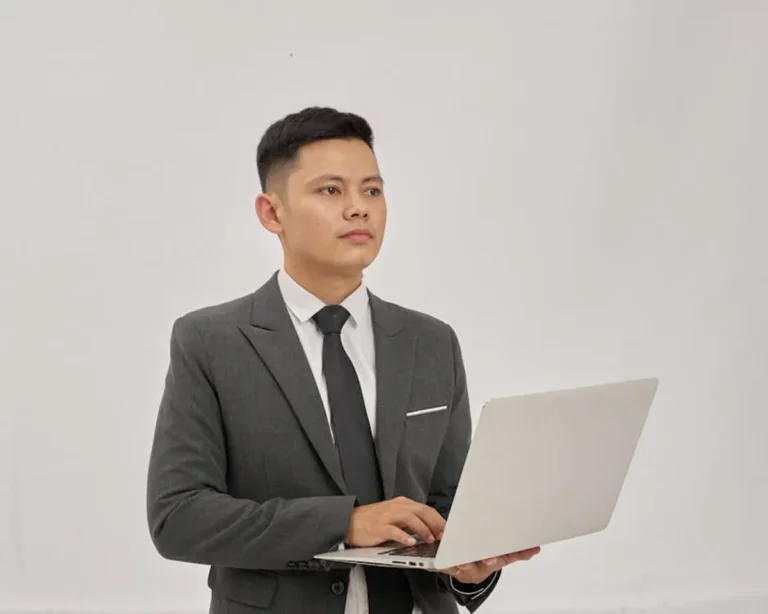
Tailored separates, such as well-cut trousers, blazers, vests, and crisp shirts, exude professionalism, sophistication, and a sharp, confident demeanor. These pieces introduce structure and defined lines, creating a powerful silhouette that highlights a model's posture and ability to carry formal wear. The ability to mix and match allows for multiple looks from a few key pieces, showcasing versatility in a more formal context. Fabrics like wool blends, gabardine, or high-quality cotton offer a polished finish.
Best for: Models targeting corporate, luxury brand, or editorial work that demands a polished and authoritative presence. Also suitable for demonstrating strong character work.
Pros: Conveys professionalism and sophistication; creates strong, defined silhouettes; versatile for mixing and matching to create distinct looks; excellent for showcasing posture and confidence.
Cons: Requires precise tailoring to achieve the desired effect; can appear stiff or overly formal if not styled thoughtfully; less suitable for very casual or highly artistic concepts.
Verdict: Tailored separates are indispensable for models aiming to project a sophisticated, capable image, demonstrating their aptitude for high-end and professional campaigns.
4. Elevated Athleisure
Elevated athleisure combines comfort with modern style, featuring sleek leggings, fitted sports bras, stylish tracksuits, or sophisticated hoodies made from performance fabrics. This category moves beyond basic gym wear, incorporating design elements that make it suitable for fashion-forward contexts. It communicates a healthy, active lifestyle and contemporary relevance, appealing to brands in the wellness, activewear, and youth markets. The stretch and movement inherent in these garments allow for dynamic posing.
Best for: Models interested in activewear, lifestyle, health, or youth-oriented commercial work. Ideal for showcasing a fit physique and dynamic posing capabilities.
Pros: Projects a modern, healthy, and energetic image; allows for dynamic and expressive posing; comfortable for extended shoot times; strong appeal to contemporary commercial markets.
Cons: Can sometimes blur the line with actual workout gear if not carefully curated; less suitable for traditional high-fashion or formal bookings; requires a fit physique to maximize impact.
Verdict: A smart choice for models looking to highlight their physical prowess and contemporary appeal, elevated athleisure captures a relevant market segment with style and energy.
5. Statement Outerwear
A single, impactful piece of outerwear—such as a structured trench coat, a luxurious faux fur coat, a sharply tailored blazer, or a unique leather jacket—can transform a simple outfit into a high-fashion statement. Outerwear adds layers, texture, and often a dramatic silhouette, providing a focal point and an opportunity for dynamic movement and posing. It suggests an editorial sensibility and an ability to convey mood and sophistication through clothing.
Best for: Models aiming for editorial, high-fashion, or seasonal campaign work. Excellent for showcasing an ability to carry complex garments and create compelling visual narratives.
Pros: Adds immediate fashion impact and sophistication; creates strong silhouettes and visual interest; allows for versatile styling and layering; can introduce color, texture, or pattern strategically.
Cons: Can overwhelm a model if the piece is too dominant; requires careful consideration of fit and proportion; less practical for shoots focused solely on body shape or commercial simplicity.
Verdict: Statement outerwear is a powerful tool for models seeking to elevate their portfolio with editorial flair and demonstrate their capacity for dramatic, fashion-forward imagery.
6. Textured Knitwear
Knitwear, ranging from chunky cable-knits to fine merino wool sweaters or delicate cashmere, introduces tactile richness and a sense of warmth and comfort. The varied textures photograph beautifully, adding depth and dimension to an image without relying on bold colors or complex patterns. Knitwear can convey a range of moods, from cozy and approachable to sophisticated and luxurious, depending on the yarn and weave. Its soft lines contrast effectively with sharper features, creating visual harmony.
Best for: Models targeting lifestyle, cozy fashion, winter campaigns, or luxury brand work. Ideal for conveying warmth, comfort, and a sophisticated, relaxed elegance.
Pros: Adds rich texture and depth to photographs; versatile in conveying different moods (cozy, luxurious, relaxed); comfortable for the model; can soften harsh lighting or backgrounds.
Cons: Can add bulk, potentially obscuring the model's form if not chosen carefully; requires good quality to avoid pilling or looking worn; less suitable for warm-weather or high-energy concepts.
Verdict: Textured knitwear offers a compelling way to add warmth, depth, and a luxurious feel to a portfolio, showcasing a model's ability to convey emotion and comfort effectively.
7. Form-Fitting Black Dress or Suit
A classic, well-tailored black dress or a sleek black suit is a staple for a reason. Black is universally flattering, slimming, and projects an image of sophistication, power, and timeless elegance. A form-fitting silhouette highlights the model's figure and lines, while the simplicity of the color ensures the focus remains on their expressions and posing. This choice is particularly effective for demonstrating a model's ability to embody a range of serious to seductive moods.
Best for: Models pursuing high-fashion, evening wear, luxury, or sophisticated commercial bookings. Essential for showcasing a strong, elegant, and versatile presence.
Pros: Universally flattering and slimming; conveys sophistication and elegance; timeless appeal; provides a stark contrast for strong lighting and dramatic effects; emphasizes body lines.
Cons: Can appear too severe or formal for some commercial briefs; requires impeccable fit to look polished; may blend into very dark backgrounds if lighting is not managed well.
Verdict: A non-negotiable for any serious model's portfolio, a form-fitting black dress or suit is a powerful statement of elegance, versatility, and professional capability.
8. Soft, Flowy Fabrics
Garments made from soft, flowy fabrics like silk, chiffon, satin, or delicate cotton create movement, ethereal qualities, and a sense of grace. These materials catch light beautifully and drape elegantly, adding a dynamic element to still photography. They are excellent for conveying romance, dreaminess, or a light, airy aesthetic. The interaction of the fabric with the model's movement adds an artistic dimension to the images, showcasing fluidity and control.
Best for: Models aiming for ethereal, romantic, bridal, or artistic editorial work. Ideal for showcasing graceful movement and an ability to interact with fabric.
Pros: Creates dynamic movement and elegant draping; adds an ethereal and romantic quality; photographs beautifully with light; highlights graceful posing and fluidity.
Cons: Can be challenging to control in windy conditions; may not define the body's lines as sharply as structured garments; less suitable for edgy or highly commercial looks.
Verdict: Flowy fabrics are a strategic choice for models who want to add an artistic, graceful, and dynamic element to their portfolio, demonstrating a mastery of movement and expression.
9. Vintage-Inspired Pieces
Carefully selected vintage-inspired garments or genuine vintage pieces can add character, uniqueness, and a distinct narrative to a portfolio. This could range from a 70s-era bohemian dress to a 50s-style circle skirt or a 20s flapper-inspired piece. The key is authenticity and a clear vision for the era or aesthetic being evoked. These outfits demonstrate a model's ability to transform and embody different historical or stylistic personas, appealing to period-specific projects or brands with a retro sensibility.
Best for: Models with a strong personal style or those targeting period-specific, artistic, or unique editorial projects. Excellent for showcasing character acting and transformative abilities.
Pros: Adds unique character and narrative depth; demonstrates versatility in embodying different eras/styles; can create highly memorable and distinctive images; appeals to niche markets.
Cons: Can quickly date a portfolio if not carefully curated; requires a strong understanding of the chosen era's styling; may not have broad commercial appeal for all clients.
Verdict: Vintage-inspired pieces are a bold choice for models looking to differentiate themselves and showcase a specific niche or transformative ability, adding a compelling, narrative dimension to their book.
10. Bold Color Blocks
Outfits featuring solid blocks of vibrant, saturated colors make a strong visual statement and can instantly inject energy and modernity into a portfolio. This approach uses color as a primary design element, creating clean, impactful images. It demonstrates a model's ability to work with strong visual cues and stand out. Bold colors are particularly effective for commercial work, advertising, or editorial spreads that demand high visual impact and a contemporary feel.
Best for: Models aiming for commercial, advertising, or contemporary editorial work that requires high visual impact and a modern aesthetic. Ideal for showcasing a vibrant personality.
Pros: Creates immediate visual impact and draws attention; conveys energy and modernity; versatile for creating distinct moods with different color choices; strong commercial appeal.
Cons: Requires careful selection of colors to complement the model's skin tone and the shoot's concept; can be overwhelming if not balanced with simple styling; less suitable for very subtle or natural looks.
Verdict: Bold color blocks are a highly effective strategy for models seeking to create striking, memorable images that convey confidence, energy, and a contemporary fashion sensibility.
11. Sheer or Lace Elements
Incorporating elements of sheer fabric or delicate lace can introduce a sense of allure, vulnerability, or sophisticated sensuality without being overtly revealing. These materials play with light and shadow, creating intriguing textures and depth. A sheer blouse, a lace overlay, or subtle lace detailing can elevate a simple outfit, adding a touch of elegance and intrigue. This approach allows a model to explore a more delicate or provocative side of their range in a tasteful and artistic manner.
Best for: Models exploring delicate, romantic, artistic, or subtly sensual aesthetics. Suitable for lingerie, high-fashion, or editorial work that requires a nuanced approach to allure.
Pros: Adds texture, depth, and visual intrigue; conveys elegance, romance, or subtle sensuality; plays beautifully with light and shadow; allows for artistic exploration of vulnerability.
Cons: Can be perceived as too revealing if not styled carefully; requires high-quality materials to avoid looking cheap; less suitable for very conservative or youth-oriented commercial briefs.
Verdict: Sheer or lace elements offer a sophisticated way to introduce allure and texture, allowing models to showcase a delicate yet powerful range of expression in their portfolio.
12. Structured White Shirt
A crisp, well-fitted white button-down shirt is a surprisingly versatile and impactful piece for a test shoot. Its simplicity is its strength, providing a clean, bright canvas that highlights the model's face, neck, and shoulders. It can be styled in numerous ways—buttoned up, open, tied, tucked—to convey different moods from corporate professionalism to casual chic or even artistic deconstruction. The sharp lines and bright color offer a strong contrast and a timeless appeal.
Best for: Virtually any model looking to showcase clean lines, versatility, and a fresh, professional image. Excellent for headshots, beauty shots, and demonstrating classic elegance.
Pros: Universally flattering and brightens the face; highly versatile for various styling options; conveys professionalism and clean aesthetics; timeless and never goes out of style.
Cons: Can appear too plain if not styled with strong posing or accessories; requires perfect pressing and fit to look sharp; less suitable for very edgy or highly artistic concepts without creative modification.
Verdict: The structured white shirt is a fundamental and indispensable item for any model's test shoot wardrobe, offering unparalleled versatility and a clean, professional aesthetic that enhances any portfolio.
Optimizing Your Test Shoot Wardrobe
Beyond selecting individual pieces, the overall strategy for your test shoot wardrobe involves coordination and variety. Work closely with your photographer to align on the shoot's vision and how outfits can best serve that narrative. Aim for a balance of different aesthetics—for instance, combining a classic denim look with minimalist neutrals and a statement piece. This showcases your range and adaptability. Pay meticulous attention to accessories: minimal, high-quality jewelry, clean footwear, and subtle styling elements can elevate an outfit without competing for attention. Ensure all garments are impeccably clean, pressed, and fit perfectly. The goal is to present a cohesive, diverse, and polished representation of your modeling capabilities, demonstrating your potential for a wide array of commercial and editorial opportunities.
Frequently Asked Questions
How many outfits should I bring to a test shoot?
Typically, 3-5 distinct outfit changes are sufficient for a standard test shoot. This allows for variety without overwhelming the session or the editing process. Focus on quality and strategic choice over quantity.
Should I bring my own makeup and hair artist?
While some test shoots include a makeup artist (MUA) and hair stylist, it's always beneficial to have a clean, natural base. Discuss this with your photographer beforehand. If no MUA is provided, aim for a polished, natural look that you can adapt slightly for different outfits.
What kind of shoes should I bring?
Bring a selection of clean, neutral shoes that complement your chosen outfits. This often includes classic heels (black, nude), clean white sneakers, and possibly a pair of boots. Avoid overly distracting or worn footwear.
How important is fit for test shoot outfits?
Fit is paramount. Ill-fitting clothes, whether too tight or too loose, can distort your silhouette and distract from your posing. Ensure all garments are tailored or chosen specifically to flatter your body shape, presenting your form in the best possible light.
Can I use props with my outfits?
Simple, relevant props can enhance an outfit or narrative, but should be used sparingly and intentionally. Discuss any prop ideas with your photographer in advance to ensure they align with the shoot's vision and don't distract from the model.