Modeling work changes its meaning across the years that the work continues. The early career's relationship to the work is different from the mid-career's, which is different from the late career's. What the work becomes across decades isn't what it began as. This essay reflects on that transformation, drawn from inside experience and observation of others.
The early years
The early career years are typically about discovery and arrival. The work is new; each booking feels significant; the industry's structures are being learned. The relationship to the work is mostly about whether you can do it, whether you'll continue, whether the career will materialize.
This phase is exciting and exhausting in specific ways. The newness produces energy that sustains substantial work hours. The uncertainty produces anxiety that affects decision-making. The discovery produces growth that's rapid and visible.
What the work means in this phase: opportunity, challenge, possibility. The future is wide open; the choices being made now will shape what becomes possible later.
The middle years
The middle years are typically about consolidation. The career exists; the work is established; the relationships are developed. The question shifts from "will I make it" to "what am I actually building."
The work in this phase has different qualities. The technical skills are refined to the point where most jobs proceed smoothly. The relationships are deep enough to produce ongoing work. The financial situation has stabilized to whatever level the career produces.
This phase can be the most-productive in absolute terms. The work flows; the bookings continue; the income is reliable. The challenge becomes what to do with the platform the early career built — whether to maintain it, expand it, or transition to something else.
What the work means in this phase: sustainable practice, accumulating body of work, continued development. The future remains open but is shaped by accumulated choices in ways the early career's future wasn't.
The later years
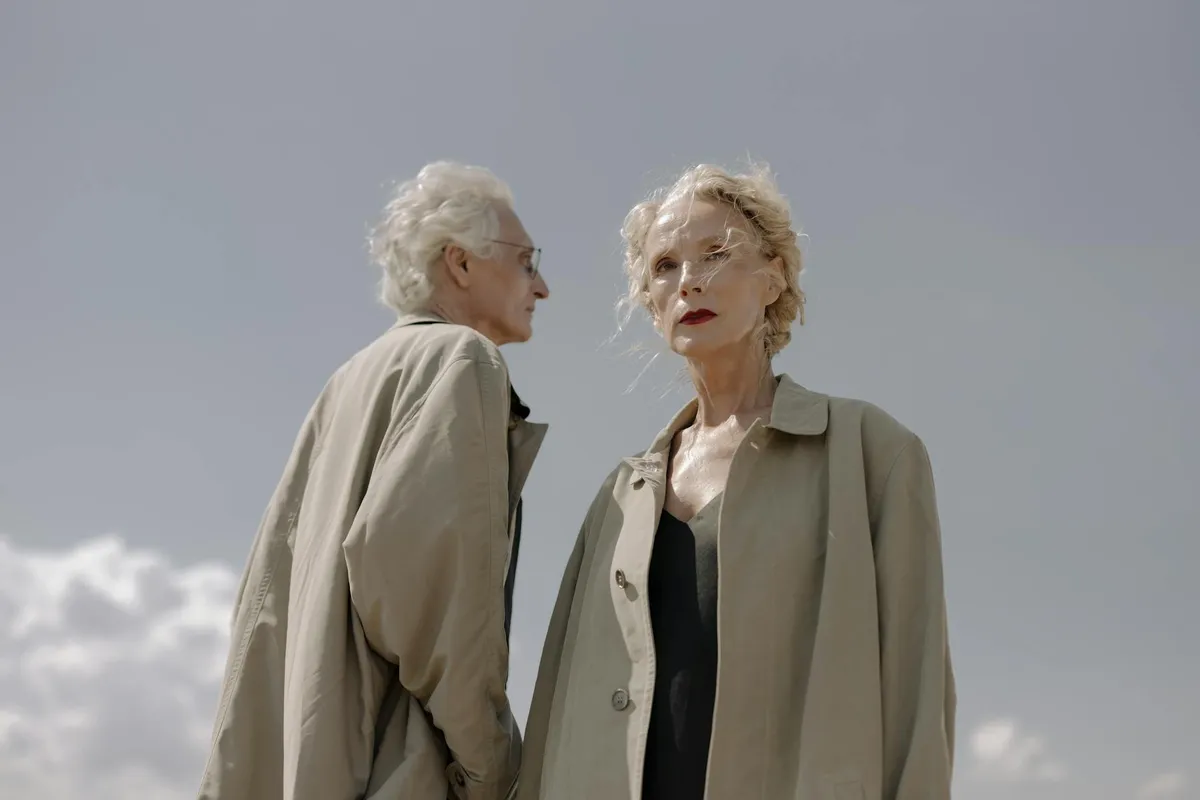
The later career years involve transition. The industry preferences for the model's specific qualities may shift; the bookings that sustained the middle career may become less frequent; the question of what comes next becomes pressing.
For models who continue working in modeling, the later career often involves narrower bookings — specific work that suits the model's specific aging qualities, with less of the broad work the middle career included. The income often declines from peak years even when the work continues.
For models who transition out of modeling, the later years are about what comes next — secondary careers built during the modeling years, new directions developed during the transition, the relationships and skills the modeling career produced applied to new contexts.
What the work means in this phase: completion, transition, integration with whatever life continues to be. The relationship to the modeling work changes regardless of whether the work itself continues.
What the work has been
Looking back across the arc, the work has been several different things at different times. Looking back, certain reflections emerge:
The work was harder than the public image suggested. The substantial invisible work behind the visible photographs is real and sustained.
The work was more rewarding than the cynical takes suggested. The collaboration with photographers and stylists, the moments of actual creative achievement, the relationships built across years — these are real value beyond the public framing.
The work was more financially variable than the income highlights suggested. Across a career, the average income looks different from the peak income.
The work was more identity-shaping than the model anticipated. Years of public-facing work shapes self-perception in ways that can't be fully separated from the work.
The work taught things that transfer. The skills developed in modeling — professional reliability, working under pressure, presence and self-presentation, navigating complex relationships — apply to other professional contexts.
The relationships across years
The relationships built across modeling years are often the lasting value of the career. The photographers, stylists, agents, casting directors, and other models who became friends across years remain present after the bookings end.
The industry that looked transactional from inside the early career often turns out, in retrospect, to have been relational. The transactions were real; the relationships were realer in their compounding effects across years.
For models early in careers, the relational dimension is worth investing in even when it doesn't produce immediate booking value. The compounding across decades is significant.
The body across years
The body that did the work changes across years. The physical demands accumulate; the recovery slows; the specific qualities the industry valued at twenty become different qualities at forty.
The relationship to the body shifts. The instrument that was the model's primary professional tool becomes, eventually, the instrument that's no longer demanded in the same way. The transition is physical and emotional.
Models who took care of their bodies during the peak years generally manage the later transition more easily than models who didn't. The body that's been respected across years sustains better than the body that wasn't.
The financial trajectory
The financial trajectory across a career rarely follows a smooth curve. Peak years produce substantial income; the periods around peak years produce variable income; the post-peak years produce less.
Models who managed money across the curve — saving aggressively during peak years, managing carefully during variable periods — emerge from careers in stable financial positions. Models who treated peak income as permanent often face financial challenges in post-peak years.
This financial dimension is one of the most-important and least-discussed aspects of modeling careers. The early-career discipline produces the late-career stability that sustains everything else.
What I would tell younger models
Looking back, the things I would tell models early in careers:
- Treat this as professional work that requires the discipline professional work requires.
- Save aggressively during peak years; assume the income will not continue at this level forever.
- Invest in relationships that will sustain across the career, not just relationships that produce immediate bookings.
- Build identity and skills outside modeling; the modeling won't last forever.
- Take care of your body as the professional instrument it is.
- Engage with the work as work, not as identity. The work is something you do; you remain something larger.
- Plan for transitions throughout the career.
This is unromantic advice. It's also what produces careers that remain valuable across decades.
The closing observation
The work that modeling becomes across years is different from the work it begins as. The trajectory is real; the changes are predictable in pattern even when individual specifics vary.
For models entering or in modeling careers, attention to the trajectory produces better navigation than attention only to current circumstances. The work now is also building toward what the work will be later. Worth being conscious of.
The career, eventually, will have been what it was. What it becomes depends on how the years are navigated. Worth navigating with intention.