In the competitive landscape of the modeling industry, initial impressions carry significant weight. While elaborate portfolios showcase a model's versatility and high-production value, a distinct category of imagery—known as Polaroids, digitals, or simply "digis"—serves a critical, foundational purpose. These unretouched, natural photographs are not portfolio pieces; they are direct, unfiltered assessments of a model's current appearance, physique, and raw potential. Understanding their function is essential for agencies, casting directors, and aspiring models alike, as they streamline the vetting process and provide an authentic baseline for talent evaluation.
The Defining Characteristics of Modeling Polaroids
Modeling Polaroids are characterized by their deliberate simplicity and lack of artifice. Their primary objective is to present a model as they genuinely appear, without the enhancements typical of professional shoots. This commitment to authenticity dictates several key elements:
- No Makeup or Minimal Makeup: Models typically wear no makeup, or at most, very minimal, natural-looking foundation and mascara. This reveals skin texture, natural features, and any unique characteristics.
- Natural Lighting: Polaroids are almost exclusively taken in natural light, often near a window or outdoors during daylight hours. This avoids harsh shadows or artificial color casts, providing an accurate representation of skin tone and facial structure.
- Plain Background: A simple, uncluttered background, such as a white or neutral-colored wall, is standard. This ensures the focus remains entirely on the model without distractions.
- Simple Attire: Models wear basic, form-fitting clothing—typically a swimsuit, plain jeans and a t-shirt, or simple activewear. This allows agencies and clients to assess body proportions, shape, and overall physique without clothing obscuring the silhouette.
- No Retouching: Crucially, Polaroids are never retouched or edited. This includes color correction, skin smoothing, or body manipulation. Authenticity is paramount.
- Current Appearance: These images must be recent, reflecting the model's current hair length, color, physique, and any visible tattoos or piercings.
The Strategic Purpose in Talent Evaluation
For modeling agencies and casting directors, Polaroids are an indispensable tool for efficient talent assessment and commercial decision-making. Their strategic value lies in providing a consistent, objective standard for evaluating potential talent:
Initial Vetting and Efficiency: Polaroids serve as a rapid pre-screening mechanism. Agencies receive numerous submissions daily; unretouched digitals allow them to quickly ascertain a candidate's natural look, body type, and current market readiness without the time and expense of a full test shoot. This streamlines the talent acquisition pipeline significantly.
Assessing Versatility: By stripping away styling and makeup, Polaroids reveal a model's foundational features. This helps agencies determine how adaptable a model might be to different looks, campaigns, and client briefs. A model with strong, natural features is often considered more versatile.
Client Confidence: When presenting models to clients, agencies often include recent Polaroids alongside professional portfolio shots. The Polaroids assure clients that the model's current appearance aligns with their portfolio, building trust and minimizing surprises on set. This transparency is crucial for managing client expectations and ensuring project success.
Tracking Development: For signed models, regular Polaroids (often updated every few months) track changes in their appearance. This helps agencies monitor growth, maintain an up-to-date visual record, and ensure their roster information is always current, which is vital for effective commercial representation.
Pro Tip for Agencies and Models: Never submit or accept retouched Polaroids. The entire commercial value of these images hinges on their authenticity. Any attempt to "improve" a Polaroid through editing defeats its purpose and can erode trust, leading to misaligned expectations on set or during castings.
Essential Polaroid Shots for a Comprehensive View
A complete set of modeling Polaroids typically includes a sequence of specific poses designed to capture a full view of the model's appearance from various angles. These are standard requirements across the industry:
- Full Body Front: Standing straight, facing the camera, hands relaxed at sides. This assesses overall height, proportions, and posture.
- Full Body Profile (Left and Right): Standing sideways, facing left then right, showcasing the body's silhouette and depth.
- Full Body Back: Facing away from the camera, allowing for assessment of back physique and hair length from behind.
- Headshot Front: Straight-on, neutral expression, looking directly into the camera. Focuses on facial symmetry and features.
- Headshot Profile (Left and Right): Sideways headshot, revealing the profile of the face.
- Three-Quarter Shot: A shot from the waist up, or from the knees up, providing a mid-range view of the body and face together.
- Smiling Shot: A natural, genuine smile to assess expression and personality.
Each shot contributes to a holistic understanding of the model's physical attributes, enabling informed decisions by agencies and clients regarding suitability for specific commercial projects.
Maximizing Your Polaroid Impact
For aspiring models, understanding how to present compelling Polaroids is a critical step in securing agency representation and booking work. For those capturing them, precision and adherence to industry standards are key:
Authenticity is Key: The most impactful Polaroids are those that are genuinely raw. Avoid trying to pose like a high-fashion model or using filters. The goal is to show your natural state. Agencies look for potential, not a finished product.
Consistency in Presentation: Ensure all shots in a set maintain consistent lighting, background, and attire. This creates a cohesive and professional presentation, demonstrating attention to detail.
Clear Communication: If you're submitting Polaroids, clearly label them as such. If you're an agency requesting them, provide clear instructions on the required shots and attire. This minimizes misinterpretation and expedites the process.
Regular Updates: Keep your Polaroids current. Changes in hair, weight, or even new tattoos necessitate updated digitals. Agencies rely on these to present the most accurate version of you to clients.
Key Takeaways for Talent Acquisition
Polaroids are far more than casual snapshots; they are a fundamental, commercially driven component of the modeling industry's talent acquisition and management process. Their unvarnished nature provides an objective benchmark for evaluating a model's natural attributes, versatility, and current market readiness. For agencies, they facilitate efficient vetting and build client confidence through transparency. For models, mastering the art of the authentic Polaroid is crucial for demonstrating raw potential and securing opportunities. Prioritizing clarity, consistency, and absolute authenticity in these images remains paramount for all stakeholders.
Frequently Asked Questions
Do Polaroids need to be taken with an actual Polaroid camera?
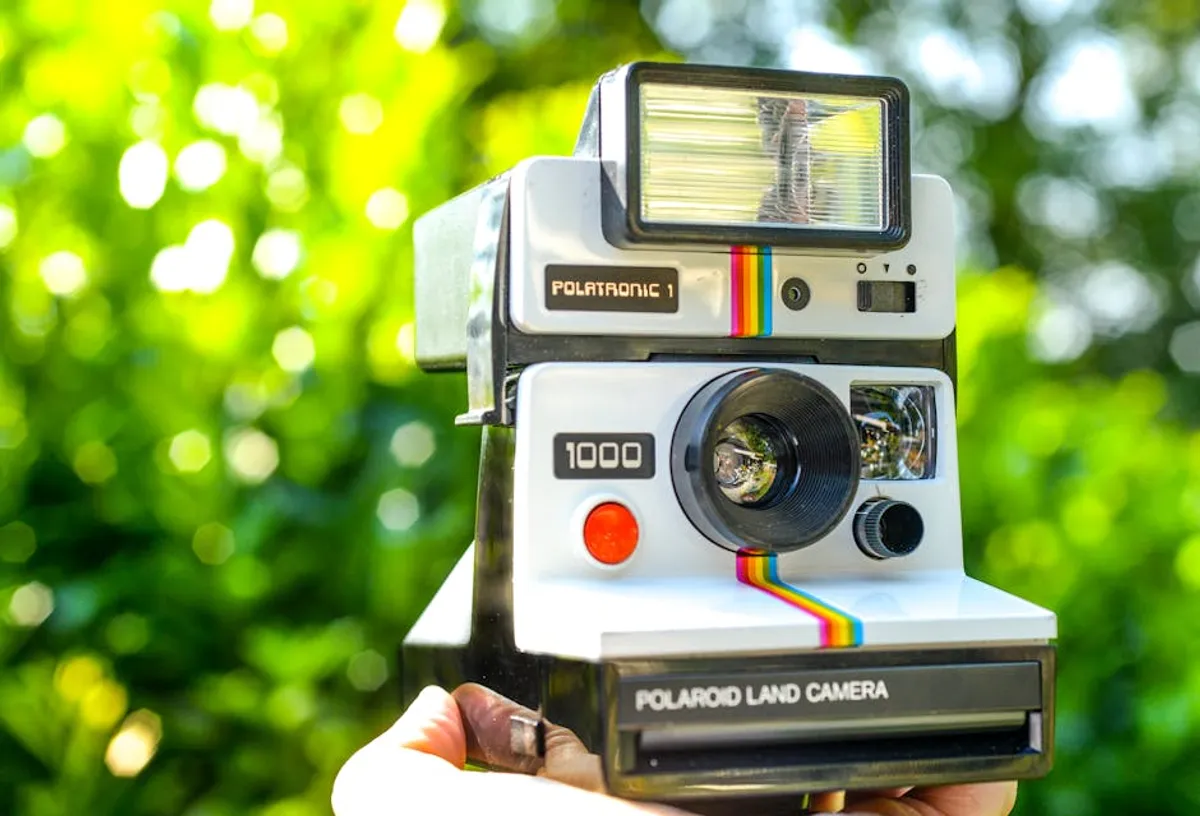
No, the term "Polaroids" has become a generic industry term for unretouched digital photos. While historically they were instant film, today they are almost always taken with a digital camera or even a smartphone, provided the quality is clear and the lighting is natural.
Can I wear makeup for my modeling Polaroids?
Generally, no. The purpose of Polaroids is to show your natural face. Very minimal, natural-looking foundation or mascara might be acceptable in some instances, but it's best to err on the side of no makeup to ensure authenticity.
What is the best attire for modeling Polaroids?
Simple, form-fitting clothing that showcases your body shape is ideal. This typically includes a plain black or white t-shirt, jeans, leggings, or a swimsuit. Avoid baggy clothes, busy patterns, or excessive accessories that distract from your physique.
How often should I update my Polaroids?
Models should update their Polaroids whenever there is a significant change in their appearance, such as a new haircut, hair color, weight fluctuation, or new tattoos. Agencies often recommend updating them every 3-6 months to ensure they always reflect your current look.