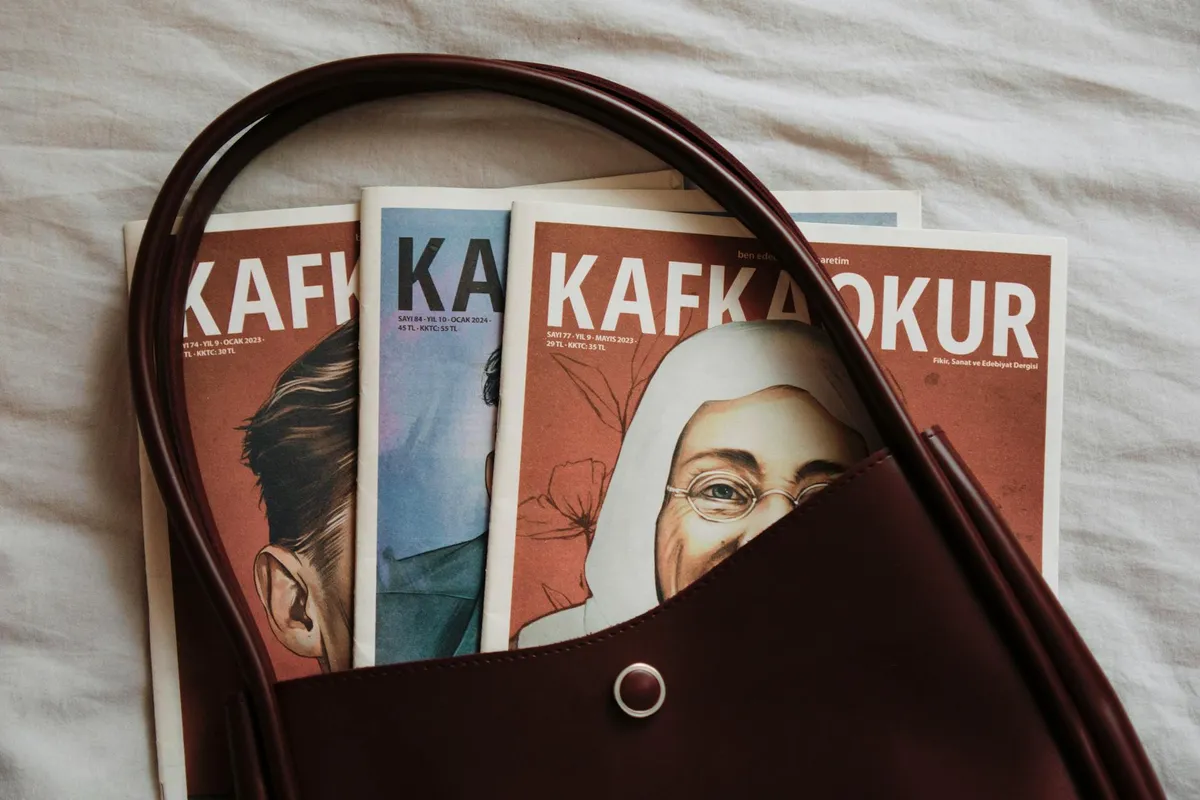
The fashion editorial work that gets discussed publicly tends toward the loud — the dramatic shoots, the controversial concepts, the images designed to provoke conversation. Behind this loud work, a quieter editorial tradition has shaped fashion aesthetics across decades. The work is less-discussed but more-influential on what fashion actually becomes. This essay is about the quiet tradition.
What the quiet tradition consists of
The quiet editorial tradition produces work characterized by:
- Restraint in concept and execution
- Attention to specific aesthetic qualities (light, fabric, posture, atmosphere)
- Long working relationships between photographers, stylists, and models
- Publication in venues that prioritize craft over impact
- Slow accumulation of influence rather than viral moments
The work doesn't announce itself. It appears in specific publications, in specific styling and photographic traditions, in the work of specific creative teams who have collaborated across years. The accumulated body of work shapes what subsequent fashion editorial draws on.
The major editorial publications in this tradition
Several publications historically embodied or continue to embody the quiet editorial tradition:
- Vogue Italia across multiple eras (particularly under Franca Sozzani's leadership)
- The Gentlewoman (UK) for women-focused work
- Fantastic Man (UK) for men's editorial
- The Travel Almanac and similar slower-publication editorials
- Self Service (France)
- Various smaller independent publications that maintain editorial traditions outside commercial pressure
These publications produce editorial work at slower schedules than the major commercial fashion press, with editorial decisions less driven by advertising relationships and more by aesthetic vision.
The photographers in this tradition
Specific photographers have built bodies of work in the quiet editorial tradition:
The classical figures — Helmut Newton, Peter Lindbergh, Paolo Roversi, Sarah Moon, others — established traditions that continue to influence contemporary work. Their photographs are referenced repeatedly across subsequent generations.
Contemporary photographers continue these traditions. Specific names work less publicly than fashion-celebrity photographers but produce editorial work that shapes the medium across decades.
The photographers in this tradition typically work slowly, develop long relationships with models and stylists, and produce bodies of work intended to be reread over time rather than consumed quickly.
What the quiet work offers
The quiet editorial tradition offers several things that the loud tradition doesn't:
Aesthetic depth. Work made with care and attention rewards repeated viewing in ways that quickly-produced work cannot. The depth emerges through attention to specific qualities — light, fabric, expression — that loud work often subordinates to concept.
Cultural continuity. The quiet tradition draws on and contributes to the longer history of fashion editorial. Each editorial sits in conversation with what came before; the work develops the tradition rather than departing from it.
Sustained relevance. Quiet editorial work tends to age better than loud work. The images that emphasized concept over craft often look dated within a few years; the images that emphasized craft can remain compelling across decades.
Influence on subsequent practice. The quiet work shapes what subsequent practitioners draw on. The major contemporary fashion editorial owes substantial debt to the quiet tradition's accumulated visual vocabulary.
The quiet tradition's economics
The quiet tradition operates within different economic conditions than the loud tradition:
- Smaller budgets per shoot
- Less compensation for participants
- Limited circulation compared to mass-market fashion press
- Survival often dependent on specific patronage rather than mass advertising
This economic position is partly what allows the editorial restraint — the work isn't under the same pressure to produce immediate impact that mass-market work faces. It's also what makes the quiet tradition fragile; specific publications close, specific traditions decline, specific working relationships end with retirements or deaths.
The contemporary version of the quiet tradition continues but in modified form. Smaller print runs, supplementary online presence, more dependence on specific institutional support. The tradition adapts; it doesn't replace itself entirely.
For viewers engaging with editorial fashion
For viewers wanting to engage seriously with fashion editorial:
Pay attention to publications, not just viral images. The body of work in specific publications reveals more than individual image discovery.
Notice repeated photographer-model-stylist collaborations. The relationships across multiple shoots produce work that single shoots cannot.
Look at photographs multiple times. The quiet work rewards rereading. First impressions of quiet editorial often miss what subsequent looking reveals.
Read older editorial work. The contemporary work draws on traditions; engaging with the traditions provides context that contemporary-only viewing misses.
Visit museum exhibitions of fashion photography. Major museums periodically present substantial fashion photography exhibitions that contextualize specific work within longer traditions.
For practitioners aspiring to this tradition
For models, photographers, stylists, and others interested in the quiet tradition:
- Develop long relationships rather than chasing one-time prestigious bookings
- Pay attention to craft fundamentals (light, composition, posture) more than concept novelty
- Engage with the tradition's history through study of major past work
- Accept that the income will likely be lower than commercial work
- Build work intended to last rather than work intended to trend
This is unromantic advice. It also describes the actual practice of practitioners whose work sustains across decades.
The relationship to commercial work
The quiet editorial tradition coexists with commercial work. Most practitioners do both — quiet editorial for aesthetic and reputation reasons, commercial work for income reasons. The two practices inform each other; they don't contradict.
Practitioners who do only commercial work produce different careers than practitioners who balance both. Practitioners who do only quiet editorial often can't sustain financially. The balance is what works for many.
The closing observation
The quiet editorial tradition shapes fashion aesthetics across decades through accumulated work that doesn't announce itself. The tradition continues despite economic pressures that make it difficult to sustain.
For viewers, practitioners, and students of fashion, engagement with the quiet tradition rewards attention. The loud work gets the immediate cultural conversation; the quiet work shapes what fashion actually becomes across years and decades.
Worth taking seriously. Worth seeking out. Worth supporting where possible.