
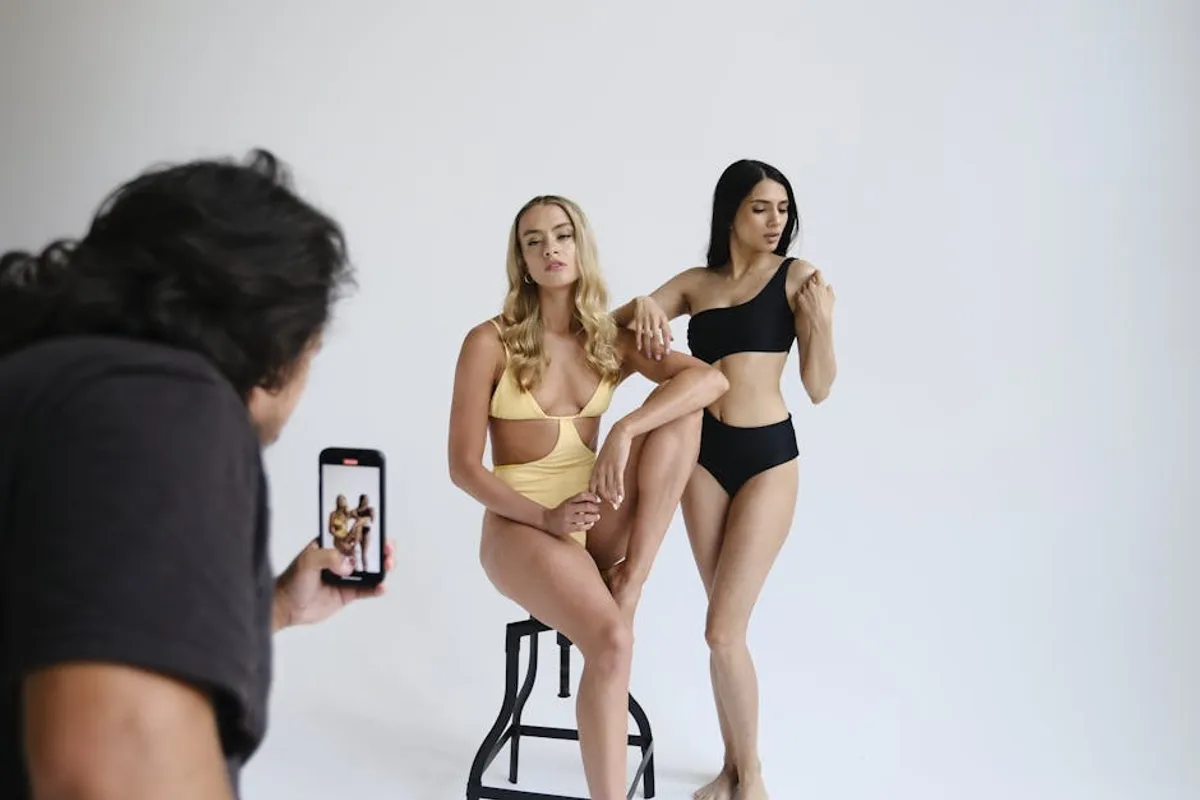
Entering the modeling industry as new talent requires both ambition and a critical eye. While the allure of fashion campaigns and runway shows is strong, the path is not without pitfalls. Aspiring models often encounter agencies that prioritize profit over talent development, presenting themselves as legitimate opportunities while operating with questionable practices. Understanding the specific red flags that characterize these less reputable operations is essential for protecting your career, finances, and personal safety. This guide outlines the concrete indicators that distinguish a professional, supportive agency from one that may exploit new models.
Financial Demands and Unclear Costs
Legitimate modeling agencies earn their revenue when their models secure paid work. Their business model is contingent on your success. Agencies that demand significant upfront payments, particularly for services that can be obtained independently or are typically covered by the agency post-signing, warrant immediate scrutiny.
Upfront Fees for Portfolios or Training
A common red flag is an agency requiring substantial fees for professional photographs or mandatory training sessions before any work is secured. While a strong portfolio is crucial, reputable agencies either have in-house photographers who defer payment until you earn income, or they refer you to trusted professionals without mandating their services. Similarly, basic training is often provided or subsidized by a legitimate agency once you're signed, not charged as a prerequisite to being considered.
Watch for: Agencies insisting on specific photographers or training programs they directly profit from, especially if these costs are non-refundable and not tied to any guaranteed work.
Promises of Guaranteed Work
No legitimate agency can guarantee work. The industry is competitive, and bookings depend on client needs, model suitability, and market trends. Agencies that promise immediate, high-paying jobs or guaranteed contracts in exchange for a fee are employing a classic tactic to extract money without delivering tangible results. Their focus shifts from finding you suitable opportunities to collecting your initial payment.
Indicator: Any agency representative using phrases like "guaranteed bookings" or "instant success" during initial conversations, particularly if linked to an upfront fee.
Vague Commission Structures
Transparency in financial arrangements is non-negotiable. Reputable agencies clearly outline their commission rates (typically 10-20% for fashion/editorial and 20% for commercial work) and how expenses are handled. If an agency representative is evasive about commission percentages, fails to provide a detailed breakdown of potential deductions, or presents a contract with unclear payment terms, it signals a lack of transparency that can lead to disputes and financial exploitation later.
Key detail: Insist on a written breakdown of all potential costs, commissions, and payment schedules before signing any agreement. This should include details on how travel, accommodation, and other job-related expenses are billed and reimbursed.
Lack of Transparency and Professionalism
A professional agency operates with clear communication, established industry connections, and a verifiable track record. Any deviation from these standards suggests potential issues.
Poor Communication and Unresponsive Contacts
Consistent, professional communication is a hallmark of a well-run agency. If an agency is difficult to reach, provides vague answers, or repeatedly misses appointments, it reflects poor organizational skills and a lack of respect for your time. This often foreshadows similar issues when dealing with bookings, payments, or career guidance.
Consider: How quickly do they respond to emails? Are their answers detailed and helpful, or do they seem rushed and incomplete?
No Clear Client List or Industry Presence
Legitimate agencies proudly showcase their work and their models' placements. They will have a professional website featuring current models, their portfolios, and often a list of clients they have worked with. A lack of a strong online presence, an outdated website, or an inability to name specific brands or campaigns their models have participated in are significant red flags. This indicates either a very new, unestablished agency or one that lacks the industry connections necessary to secure quality work.
Verify: Cross-reference any claimed client work with the brands or publications themselves, if possible. Check their social media for active engagement and recent bookings.
Pressure to Sign Immediately
High-pressure tactics, such as demanding you sign a contract on the spot without allowing time for review or legal consultation, are a clear warning sign. Reputable agencies understand that this is a significant career decision and will encourage you to take the contract home, discuss it with family, or have it reviewed by an attorney. An agency that rushes you implies they fear scrutiny of their terms.
Warning: Never sign a contract under duress. A legitimate opportunity will still be available after you've had time to consider it thoroughly.
Unrealistic Promises and Exploitative Practices
Beyond financial concerns, some agencies engage in practices that are unprofessional, unethical, or even dangerous.
Overly Glamorous or Sexually Suggestive Marketing
While modeling involves glamour, agencies that focus excessively on the "party lifestyle," promise instant fame, or use overly suggestive imagery or language in their recruitment efforts are often preying on vulnerability. Professional agencies emphasize hard work, professionalism, and the business aspects of the industry, not just the perceived perks.
Evaluate: Does their marketing focus on your potential as a professional, or does it lean into unrealistic fantasies or inappropriate themes?
Demands for Personal Information Beyond Professional Needs
A modeling agency needs standard professional information: measurements, contact details, and perhaps a social security number for tax purposes once employed. However, requests for highly personal details unrelated to your professional profile, such as bank account passwords (beyond direct deposit information), personal photos not intended for a portfolio, or details about your private life, are inappropriate and dangerous. This can be a precursor to identity theft or other forms of exploitation.
Boundary: Be cautious about sharing any information that feels overly intrusive or irrelevant to your modeling career.
Contracts Lacking Detail or Including Restrictive Clauses
A comprehensive modeling contract should clearly define the agency's responsibilities, your rights, commission rates, contract duration, termination clauses, and geographical representation. Red flags include:
- Vague language that can be interpreted in multiple ways.
- Clauses that grant the agency excessive control over your personal life or future career decisions without reciprocal commitments.
- Exclusivity clauses that prevent you from working with other agencies, even in different markets, without a clear benefit to you.
- Lack of clear terms for dispute resolution or contract termination.
Pro Tip: Always have an experienced entertainment lawyer review any modeling contract before you sign. This small investment can prevent significant financial and career complications down the line. A legitimate agency will respect this due diligence.
Securing Your Modeling Future
Navigating the modeling industry requires patience, discernment, and a commitment to protecting yourself. The most effective defense against unscrupulous agencies is thorough research and a clear understanding of industry standards. Prioritize agencies with established reputations, transparent practices, and a genuine interest in developing your career sustainably. Your long-term success hinges on choosing partners who are ethical and professional.
FAQ
Q: Are all upfront fees a red flag?
A: Not necessarily. Some legitimate agencies may charge a nominal administrative fee or for specific services like website inclusion, but these are usually minor and clearly explained. Large, mandatory fees for portfolio development or training before any work is secured are the primary concern.
Q: How can I verify an agency's legitimacy?
A: Research their history, check their website for current models and clients, look for independent reviews on industry forums, and verify if they are listed with professional modeling associations in your region. Contact models listed on their roster (if possible) to inquire about their experiences.
Q: What should I do if I suspect an agency is a scam?
A: Do not sign anything or provide any money. Cease communication immediately. If you've already provided personal information or money, consider reporting them to relevant consumer protection agencies or law enforcement, and consult with a legal professional.
Q: What if an agency asks for inappropriate photos?
A: Immediately disengage. Legitimate agencies only request professional headshots and full-body shots suitable for a portfolio. Any request for sexually suggestive or non-professional images is a severe red flag and could indicate exploitation.