Ensuring model safety is a foundational principle for any reputable agency, brand, or production house operating within the fashion and commercial industries. Beyond ethical imperatives, a robust commitment to safety directly impacts brand reputation, legal compliance, and the ability to attract and retain talent. Neglecting safety protocols can lead to significant financial liabilities, public relations crises, and a compromised talent pipeline. This article outlines critical safety considerations, providing actionable insights for fostering a secure environment for models, both on and off set.
Establishing a Safe Working Environment
The physical workspace, whether a studio, outdoor location, or event venue, must prioritize the model's well-being. This involves proactive risk assessment and clear communication of protocols.
On-Set Protocols and Equipment Safety
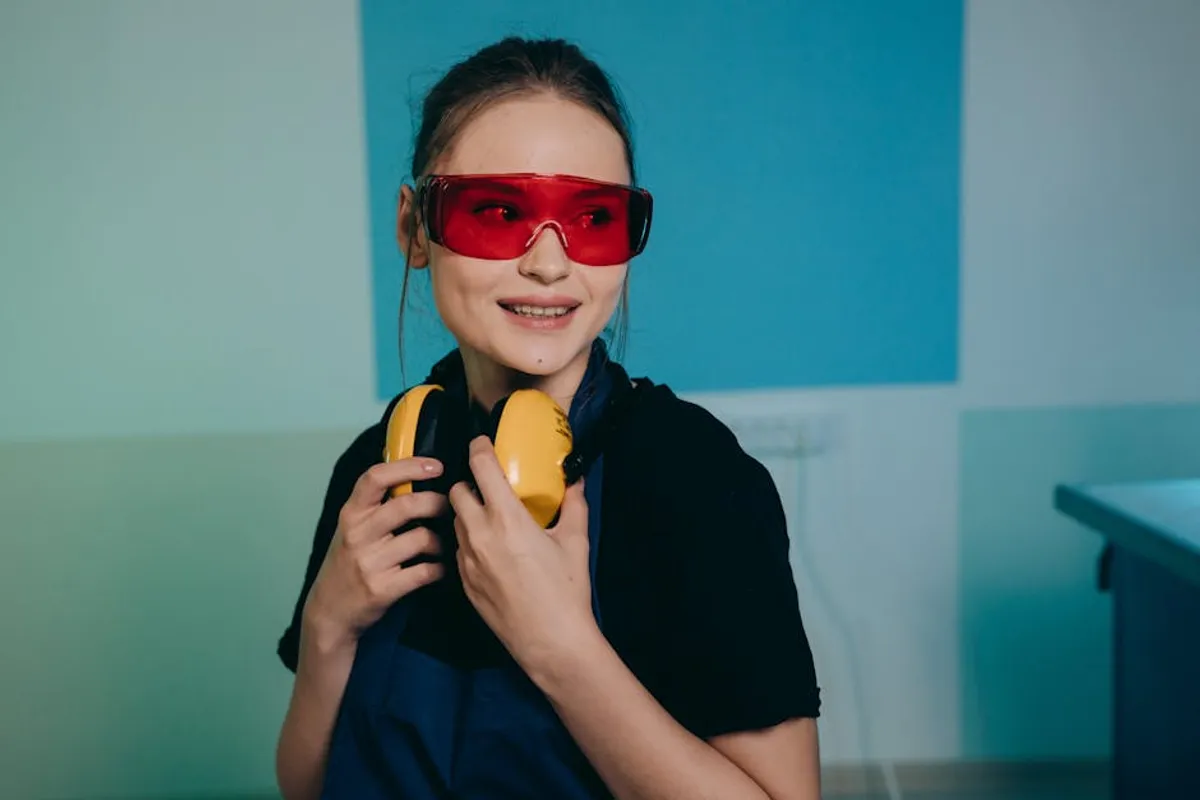
Before any shoot commences, a thorough site inspection is essential to identify potential hazards. This includes checking for stable flooring, secure lighting rigs, electrical safety, and adequate ventilation. For outdoor locations, weather conditions, terrain stability, and access to shelter must be evaluated. Agencies and production teams should ensure all equipment, from cameras to props, is in good working order and operated by qualified personnel. Models should receive a clear briefing on set layout, emergency exits, and any specific safety instructions related to the shoot's concept (e.g., working with animals, heights, or specialized equipment).
- Conduct pre-production risk assessments for all locations and concepts.
- Verify all electrical equipment is professionally installed and regularly inspected.
- Ensure adequate space for movement to prevent accidental collisions or falls.
- Provide clear communication channels for models to report concerns without fear of reprisal.
- Maintain a designated safe space for models to rest and store personal belongings.
Emergency Preparedness and Support
Every set requires a designated individual responsible for health and safety, equipped with basic first aid knowledge. A readily accessible first aid kit is non-negotiable. For larger productions or those involving higher risk, a qualified medical professional should be on standby. Emergency contact information for all crew and models must be compiled and easily accessible. Clear protocols for handling medical emergencies, accidents, or harassment incidents must be established and communicated to everyone involved. This includes a confidential reporting mechanism for any safety breaches or inappropriate conduct.
Navigating Digital Presence Securely
In an increasingly digital industry, a model's online presence is both a professional asset and a potential vulnerability. Protecting digital identity and personal information is crucial.
Social Media Best Practices and Data Protection
Models should maintain professional social media profiles, utilizing strong, unique passwords and two-factor authentication. Privacy settings should be carefully managed to control who sees personal content. It is advisable to separate professional accounts from private ones. When sharing details about shoots or locations, models should exercise caution, avoiding real-time location tagging or disclosing exact future whereabouts. Agencies and platforms requesting personal data (e.g., measurements, contact details, identification) must adhere to data protection regulations like GDPR or CCPA, clearly stating how data will be used, stored, and protected. Models should verify the legitimacy of such requests and understand their rights regarding data access and deletion.
Verifying Opportunities and Avoiding Scams
The digital landscape is rife with fraudulent opportunities. Models should be trained to identify red flags: unsolicited offers from unknown sources, requests for explicit photos, demands for upfront payments for "portfolio building" or "registration fees," and vague job descriptions without clear agency or brand affiliations. Legitimate agencies and clients will typically conduct professional interviews, provide detailed contracts, and never request sensitive personal information or money via insecure channels. Cross-referencing agency names with established industry directories and seeking legal advice on contracts are essential steps.
Upholding Professional Boundaries and Consent
Consent forms the bedrock of ethical modeling practices. Clear communication and respect for personal boundaries are paramount in every interaction.
Informed Consent and Chaperone Policies
Models must provide explicit, informed consent for all aspects of a shoot, including poses, wardrobe, and creative direction. This consent must be freely given, without coercion, and can be withdrawn at any time. Written consent forms detailing usage rights, compensation, and specific shoot parameters are standard practice. For minor models, parental or guardian consent is legally required, and a designated chaperone (often a parent or guardian) must be present on set at all times. Agencies should have clear policies regarding appropriate conduct, prohibiting any form of harassment, discrimination, or exploitation. Models should be empowered to voice discomfort or refuse any activity that violates their personal boundaries or safety.
Pro Tip: Always review contracts thoroughly with a trusted advisor or legal professional before signing. Pay close attention to clauses regarding image usage rights, exclusivity, payment terms, and dispute resolution. A legitimate contract protects all parties and clarifies expectations, minimizing future misunderstandings or exploitation.
Reporting Harassment and Misconduct
Establishing clear, confidential channels for reporting harassment, discrimination, or any form of misconduct is critical. Models must know who to contact, how to report incidents, and what the subsequent steps will be. Agencies and production companies are responsible for thoroughly investigating all complaints and taking appropriate disciplinary action. A zero-tolerance policy for harassment signals a commitment to a safe and respectful work environment, fostering trust and encouraging models to come forward without fear of retaliation.
Safeguarding Financial Interests
Financial transparency and security are integral to a model's overall safety and professional well-being.
Contract Review and Payment Verification
All work should be governed by a written contract that clearly outlines compensation, payment schedule, usage rights, and any expenses covered. Models should never begin work without a signed agreement. Agencies should facilitate prompt and secure payments, adhering to agreed-upon terms. Models should verify that payments are received from legitimate sources and be wary of requests for personal bank details via unsecured communication channels. Any discrepancies or delays in payment should be addressed immediately through official channels.
Avoiding Exploitation and Unfair Practices
Models should be educated on industry standards for compensation and usage rights to recognize unfair practices. This includes understanding the difference between editorial and commercial rates, usage terms (e.g., print, digital, broadcast, duration), and geographical limitations. Be cautious of "test shoots" that demand payment from the model, or contracts that grant overly broad, perpetual, or uncompensated usage rights. Legitimate opportunities typically involve payment to the model, not from them. If an offer seems too good to be true or demands unusual financial arrangements, it warrants immediate scrutiny.
Sustaining a Culture of Awareness
Model safety is not a static checklist; it requires continuous vigilance, education, and adaptation. Agencies, brands, and individual models must remain informed about evolving risks and best practices. Regular training sessions on digital security, consent, and reporting protocols reinforce a culture of safety. By prioritizing ethical conduct and proactive protection, the industry collectively ensures a professional, respectful, and secure environment for all talent.
Frequently Asked Questions
Q: What should a model do if they feel unsafe on a shoot?
A: A model should immediately communicate their discomfort to the photographer, director, or agency representative. If the concern is not addressed, they have the right to leave the set. They should then report the incident to their agency or a trusted industry contact, documenting all details.
Q: How can models verify the legitimacy of a new agency or client?
A: Models should research the agency's reputation online, check industry directories, look for verifiable contact information, and speak with other models represented by the agency. Legitimate agencies do not charge upfront fees for representation or portfolio development.
Q: What information is safe to share on a public modeling portfolio?
A: A public portfolio should include professional photos, measurements (height, bust, waist, hips), clothing sizes, and contact information for their agency. Avoid sharing personal details like home address, exact birthdate, or sensitive financial information.
Q: Are chaperones always required for minor models?
A: Yes, in most jurisdictions and for reputable agencies, a parent or legal guardian (or a designated, trusted adult approved by the parent/guardian and agency) must be present on set at all times when a minor model is working. This ensures their well-being and legal compliance.