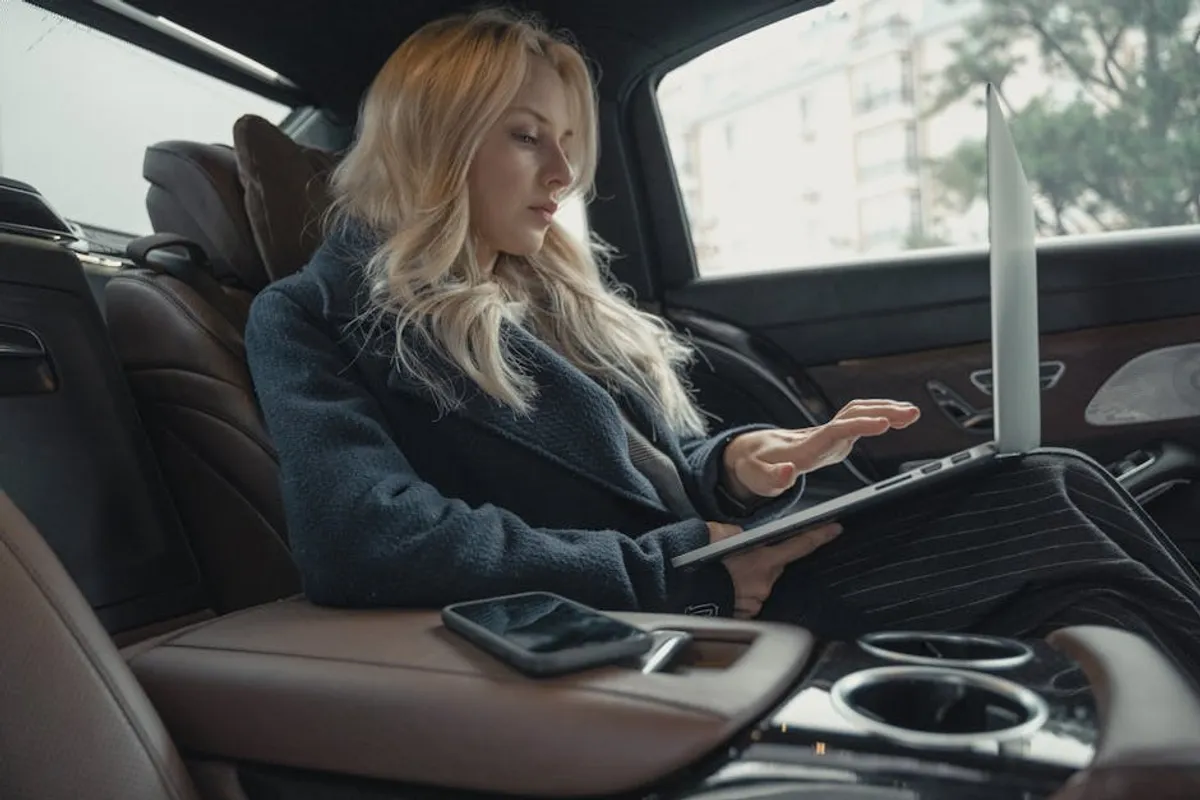
Effective lifestyle shoots deliver authentic, relatable visuals that resonate with target audiences and support marketing objectives. However, achieving this requires meticulous preparation, moving beyond simply booking a photographer and a model. The success of a lifestyle shoot hinges on a detailed pre-production phase that aligns creative vision with logistical realities, ensuring every element contributes to the desired narrative and commercial outcome.
Defining the Narrative and Visual Direction
Before any booking or scouting begins, establish a clear creative brief. This document serves as the foundational blueprint for the entire shoot, articulating the project's goals, target audience, and key messages. Without a defined narrative, visuals risk appearing generic or disconnected from your brand's story.
Crafting the Creative Brief
A comprehensive brief should detail:
- Project Objectives: What specific marketing or communication goals will these images support? (e.g., launching a new product, refreshing brand identity, driving engagement on social media).
- Target Audience: Who are you trying to reach? Understanding their demographics, psychographics, and aspirations informs every visual decision.
- Key Message/Story: What single idea or emotion should the images convey? Lifestyle photography thrives on storytelling; define the narrative arc.
- Brand Guidelines: Include color palettes, typography, and overall brand voice to ensure visual consistency.
- Usage Rights: Specify where and for how long the images will be used (e.g., website, social media, print ads, billboards) to avoid future licensing issues.
Developing Mood Boards and Shot Lists
Translate the creative brief into visual references. A mood board compiles images, colors, textures, and even typography that evoke the desired aesthetic and emotional tone. This visual guide helps align all team members on the look and feel. Simultaneously, develop a preliminary shot list. This is not a rigid script but a working document outlining essential shots, angles, and scenarios needed to tell your story and fulfill the brief. It ensures critical moments are captured and provides a framework for the photographer.
Talent, Location, and Wardrobe Scouting
The authenticity of lifestyle photography largely depends on the right combination of people, places, and styling. These elements must work in concert to create a believable scene.
Selecting Authentic Talent
Casting for lifestyle shoots prioritizes relatability over traditional modeling. Look for individuals who genuinely embody your target audience or brand persona. Consider their natural expressions, comfort in front of the camera, and ability to interact authentically within a scene. Avoid overly posed or artificial looks. Conduct interviews or casting calls to assess personality and ensure they can convey the desired emotions and actions.
Identifying Suitable Locations
Locations should reinforce the narrative and provide natural lighting and backdrops. Scout potential sites in advance, considering factors like:
- Natural Light: Observe how light changes throughout the day. Optimal lighting enhances mood and reduces the need for artificial intervention.
- Background Elements: Ensure backgrounds are uncluttered and contribute positively to the scene, avoiding distracting elements.
- Logistics: Assess accessibility, parking, changing areas, and proximity to amenities.
- Permits and Permissions: Secure all necessary permits for public spaces or explicit permission from private property owners well in advance.
Pro Tip: Always have a backup location or a contingency plan for outdoor shoots. Weather can be unpredictable, and an alternative indoor option or a flexible schedule can save a shoot from cancellation and budget overruns.
Curating Wardrobe and Props
Wardrobe and props are crucial for visual storytelling and brand alignment. Select clothing that is comfortable, appropriate for the setting, and reflects the desired aesthetic. Avoid overly busy patterns or logos that might distract from the main subject. Props should be functional and organic to the scene, adding depth and realism without clutter. For example, if the shoot is about a morning routine, consider a specific type of coffee mug or a book that aligns with the brand's values.
Technical and Logistical Planning
Once the creative elements are defined, focus on the practicalities that ensure a smooth execution day.
Equipment and Crew Coordination
Confirm all necessary photographic equipment (cameras, lenses, lighting, reflectors, tripods) is available and in working order. Beyond the photographer, consider if a stylist, makeup artist, assistant, or producer is required. Clearly define each crew member's role and responsibilities to avoid overlap or gaps.
Developing a Detailed Schedule
Create a minute-by-minute or hour-by-hour schedule for the shoot day. This should include:
- Arrival times for talent and crew.
- Hair and makeup slots.
- Travel time between locations.
- Specific shot timings.
- Breaks for meals and rest.
- Contingency time for unexpected delays.
Share this schedule with everyone involved to ensure punctuality and coordination.
Communication and Contingency
Maintain open lines of communication with all stakeholders—client, photographer, talent, and crew—leading up to and during the shoot. Confirm all details the day before. Prepare for unforeseen circumstances: bad weather, talent running late, equipment malfunctions. Having a plan B, whether it's an alternative location, a flexible schedule, or backup equipment, minimizes disruption and stress.
Executing a Successful Shoot Day
The preparation culminates on the shoot day. Focus on maintaining a positive, collaborative atmosphere and adhering to the plan while remaining adaptable.
On-Set Management
Designate a lead person (often a producer or creative director) to manage the schedule, communicate with the team, and ensure the creative vision is being met. Regularly check the shot list to confirm all required images are captured. Review images on-site if possible to catch any issues early.
Post-Production Considerations
Before wrapping, confirm the photographer understands the post-production requirements, including editing style, color grading, and delivery timelines. Discuss file formats and resolution specifications to ensure the images are suitable for their intended usage.
Streamlining Your Lifestyle Shoot Workflow
Preparing for lifestyle shoots is an iterative process that refines the creative vision and logistical plan. By investing time in detailed planning, from narrative development to on-site execution, you ensure the resulting imagery is not only visually compelling but also strategically effective in communicating your brand's message and connecting with your audience. A well-prepared shoot minimizes costly reshoots, maximizes creative output, and delivers authentic visuals that drive commercial impact.
Frequently Asked Questions
How far in advance should I start planning a lifestyle shoot?
For complex shoots involving multiple locations, talent, and extensive props, begin planning 4-8 weeks in advance. Simpler shoots might require 2-3 weeks. This allows ample time for scouting, casting, permit acquisition, and contingency planning.
What if the weather changes unexpectedly for an outdoor shoot?
Always have a backup plan. This could be an alternative indoor location, a rain date, or a flexible schedule that allows for rescheduling specific outdoor segments. Communicate weather contingencies with your team and talent well in advance.
How do I ensure the talent looks natural and authentic?
Cast individuals who genuinely align with your brand's persona. Provide clear direction but also encourage natural interaction and movement. Create a relaxed, comfortable atmosphere on set, and use prompts rather than strict posing instructions to elicit genuine expressions.
Should I provide a detailed shot list or allow the photographer creative freedom?
Provide a detailed shot list as a guide to ensure all essential images are captured, especially those critical for marketing objectives. However, allow the photographer creative freedom within that framework to capture spontaneous, authentic moments that can often elevate the shoot beyond the original plan.