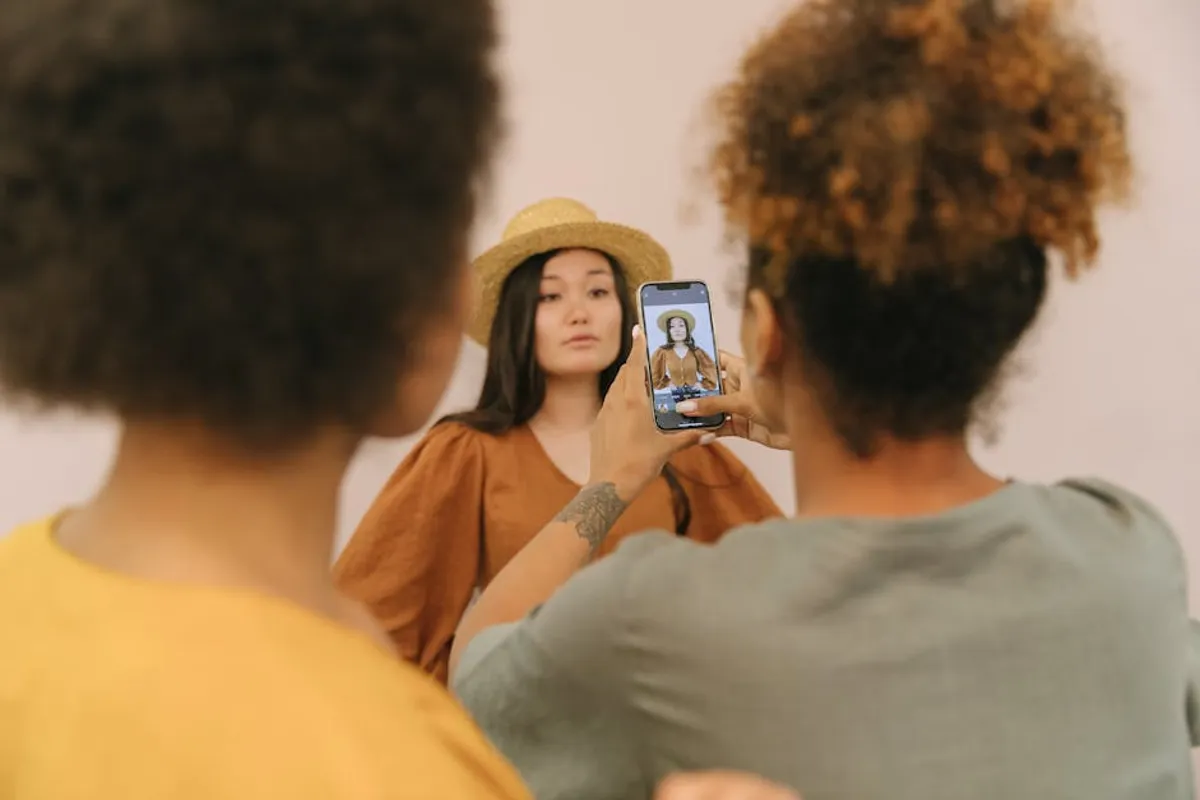
Entering the world of fashion photography as a new model requires more than just natural photogenic qualities; it demands a strategic understanding of the process, an ability to collaborate effectively, and a commitment to refining your craft. For aspiring models, each photoshoot is an opportunity to build a compelling portfolio, establish a professional reputation, and articulate a unique visual identity. This guide outlines practical steps and insights to help new models navigate their initial fashion shoots, ensuring they maximize their potential and contribute meaningfully to the creative vision.
Preparing for Your First Fashion Shoot
Effective preparation is the cornerstone of a successful fashion shoot. It minimizes stress, clarifies expectations, and allows you to focus on performance during the session.
Research and Concept Alignment
Before any shoot, dedicate time to understanding the project's specific requirements. This involves reviewing the photographer's previous work to grasp their aesthetic, researching the brand or designer if applicable, and familiarizing yourself with the mood board or concept brief. A clear understanding of the desired narrative, emotions, and overall style allows you to prepare your expressions and poses more effectively.
Best for: Ensuring your performance aligns with the creative direction and avoids misinterpretations.
Wardrobe and Styling Coordination
Your wardrobe choices are critical to the fashion narrative. Confirm with the stylist or photographer whether you need to bring specific garments or if they will provide everything. If you are responsible for bringing options, select pieces that are clean, well-fitting, and reflect the shoot's aesthetic. Include versatile basics, appropriate undergarments (nude, seamless), and any specific accessories requested. Arriving with prepared, wrinkle-free clothing demonstrates professionalism and saves valuable shoot time.
Hair and Makeup Strategy
Professional hair and makeup artists are often part of fashion shoots, but new models should still arrive with clean, moisturized skin and hair. If you are expected to do your own hair and makeup, practice the looks specified in the mood board beforehand. Focus on techniques that enhance your features without appearing overly heavy for the camera. Always confirm expectations regarding hair and makeup in advance to avoid last-minute adjustments on set.
Mastering Posing and Expression
Posing and facial expressions are your primary tools for conveying emotion and showcasing garments. Developing control over these elements elevates your performance.
Body Language and Angles
Understanding how your body translates on camera is crucial. Experiment with different angles that highlight your best features and create dynamic shapes. Avoid stiff or unnatural postures. Focus on elongating your lines, creating negative space, and using your limbs to form interesting compositions. Subtle shifts in weight, hand placement, and head tilt can dramatically alter the impact of an image.
Facial Expressions and Gaze
Your face is central to connecting with the viewer. Practice a range of expressions, from intense and serious to soft and playful. Use your eyes to convey emotion and direct the viewer's gaze. A direct, confident look can be powerful, while a slightly averted gaze can evoke mystery or introspection. Avoid "dead eyes" by focusing on an imaginary point or engaging with the photographer's lens.
Movement and Flow
Static poses can feel rigid. Incorporate subtle movements to create a sense of flow and naturalism. This could involve a slight turn of the head, a gentle shift in posture, or a step forward. The goal is to make the pose appear effortless and dynamic, even if it's held for a moment. Think about the garment and how movement makes it drape or flutter, enhancing its texture and form.
Key elements for dynamic posing include:
- Weight Distribution: Shift weight between feet or hips to create natural S-curves.
- Limb Placement: Avoid parallel limbs; bend elbows and knees slightly.
- Shoulder and Neck: Keep shoulders relaxed and use your neck to elongate your profile.
- Hand and Finger Detail: Keep hands relaxed, fingers slightly parted, avoiding clenched fists or stiff digits.
- Head Tilt: Subtle tilts can add interest and convey different moods.
Working with the Photographer and Crew
A fashion shoot is a collaborative effort. Your ability to work harmoniously with the team directly impacts the final output.
Communication is Key
Maintain open communication with the photographer throughout the shoot. Listen attentively to their directions and ask clarifying questions if anything is unclear. Provide feedback if you feel uncomfortable or need a break. A positive, professional demeanor fosters a productive environment and ensures everyone is working towards the same creative goal.
Understanding Light and Set Dynamics
Pay attention to the lighting setup and how it affects your appearance. Different lighting can highlight or shadow features in unique ways. Be aware of your surroundings and how you interact with props or the background. Small adjustments to your position can optimize how light falls on you and how you fit within the frame.
Pro Tip: Always observe the photographer's process. Notice when they are adjusting lights, changing lenses, or reviewing shots. This awareness helps you anticipate their needs and maintain your energy, rather than breaking character unnecessarily. Your responsiveness saves time and enhances the overall efficiency of the shoot.
Post-Shoot Etiquette and Portfolio Building
Your professionalism extends beyond the camera's click. Thoughtful follow-up and strategic portfolio curation are vital for career progression.
Follow-Up and Gratitude
After the shoot, a simple thank-you message to the photographer, stylist, and makeup artist is a professional courtesy. This reinforces positive relationships and can lead to future opportunities. Inquire about the timeline for receiving images and respect their process.
Curating Your Portfolio
Once you receive the edited images, carefully select the strongest shots that showcase your versatility, range of expression, and ability to embody different styles. Your portfolio should be a curated collection, not a complete dump of every image. Include a variety of looks – editorial, commercial, beauty – to demonstrate your adaptability. Regularly update your portfolio with your most recent and impactful work.
Practical Next Steps for Aspiring Models
To continue developing your fashion photography skills, consistently seek opportunities to practice and learn. Engage in test shoots with emerging photographers to experiment with new styles and build your book. Attend workshops, observe experienced models, and study fashion magazines and campaigns to understand current trends in posing and editorial narratives. Networking within the industry, attending relevant events, and maintaining a strong online presence are also crucial for visibility and securing future work. Each experience refines your instincts and strengthens your professional foundation.
Frequently Asked Questions
How do I prepare mentally for a fashion shoot?
Focus on adequate rest, hydration, and a light, nutritious meal before the shoot. Mentally review the mood board and visualize yourself performing effectively. Practice positive self-talk and remind yourself that it's a collaborative process where learning is part of the journey.
What should I bring to a fashion shoot?
Always bring a comp card or portfolio, comfortable shoes, nude and black undergarments, basic hygiene items, snacks, water, and any specific wardrobe items or accessories requested by the production team. A positive attitude and willingness to adapt are also essential.
How long does it typically take to get photos back after a shoot?
The timeline varies significantly depending on the photographer's workload and the complexity of the editing process. It can range from a few days to several weeks. It's always best to clarify this expectation with the photographer at the end of the shoot.
Should I practice posing in front of a mirror?
Yes, practicing in front of a mirror is highly beneficial. It allows you to see how different poses and expressions translate, identify your best angles, and develop muscle memory. Record yourself with a phone to review and refine your movements objectively.