
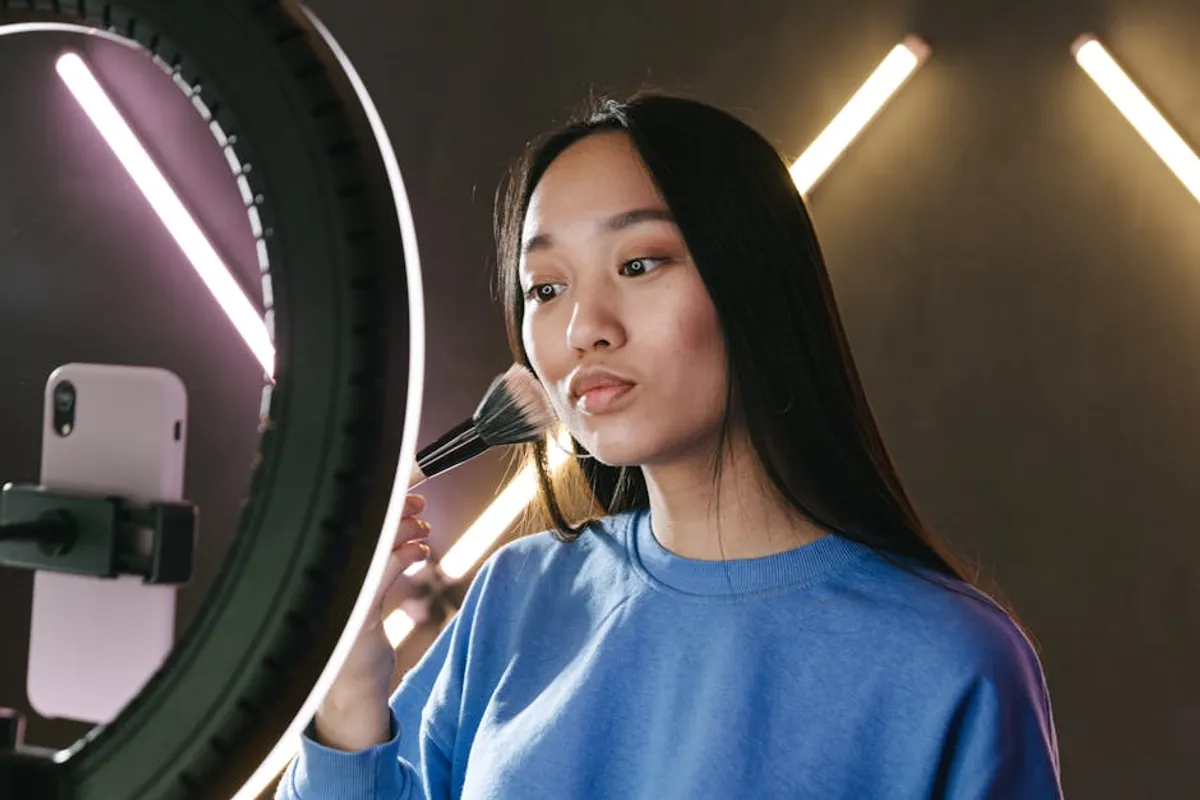
Crafting a professional portfolio requires meticulous attention to detail, and makeup plays a critical role in how subjects are perceived. The right makeup look enhances features, conveys specific messages, and ensures visual consistency across different shots. This is not about trend-following, but about strategic presentation that supports the portfolio's objective, whether it's for acting, modeling, corporate branding, or creative arts. The goal is to select makeup that complements the subject's natural attributes and aligns with the industry's expectations, translating effectively under various lighting conditions and camera lenses. An ill-chosen look can distract from the subject's talent or capabilities, while a well-executed one elevates the entire presentation, contributing to a polished and memorable impression.
What to Look For in Portfolio Makeup
Selecting makeup for a professional portfolio demands a thoughtful approach, prioritizing longevity, adaptability, and strategic messaging over daily wear. Consider these foundational elements:
- Camera Compatibility: Makeup must translate well on camera, which often means using products with specific finishes and avoiding those that cause flashback (e.g., certain SPF ingredients, excessive shimmer). Matte or satin finishes generally perform better under studio lights, preventing unwanted glare.
- Skin Tone and Undertone Matching: Foundation and concealer must precisely match the subject's skin tone and undertone to avoid an unnatural or mask-like appearance. Inconsistent color can be distracting and undermine the professional aesthetic.
- Longevity and Durability: Portfolio shoots can be lengthy, requiring makeup that withstands hours under lights without creasing, fading, or smudging. Primers, setting sprays, and long-wear formulas are essential investments.
- Strategic Enhancement, Not Transformation: The makeup should enhance the subject's best features and correct minor imperfections, rather than drastically alter their appearance. The portfolio should represent the individual authentically, albeit in their most polished form.
- Versatility for Multiple Looks (if applicable): If the portfolio aims to showcase range, consider looks that can be easily modified or built upon. A strong base can often transition from a natural look to something more dramatic with minor additions.
- Alignment with Industry Standards: Research the typical presentation styles within the target industry. Corporate portfolios often require understated professionalism, while creative fields might allow for more artistic expression.
- Avoidance of Overly Trendy Elements: While contemporary, avoid ephemeral trends that could quickly date the portfolio. Classic, timeless looks ensure the images remain relevant for longer.
- Texture and Finish: Pay attention to the texture of products. Heavy powders can look cakey, while overly dewy finishes might appear greasy under bright lights. A balanced, natural-looking finish is often ideal.
1. The Natural Radiance Look
This look focuses on enhancing the subject's natural features with minimal product, creating an impression of health, vitality, and authenticity. It emphasizes clear, even-toned skin, subtle definition in the eyes, and a hint of color on the lips. The aim is to appear effortlessly polished, as if no makeup is worn, yet every feature is subtly perfected.
Best for: Corporate headshots, lifestyle portfolios, acting headshots requiring a "girl/boy next door" appeal, or any professional setting where approachability and genuineness are paramount.
Pros:
- Universally flattering and rarely dates, ensuring longevity for the portfolio.
- Conveys trustworthiness and authenticity, crucial for many professional roles.
- Requires less touch-up during long shoots due to minimal product use.
- Allows the subject's personality to shine through without distraction.
Cons:
- Demands excellent skin condition, as heavy coverage is avoided.
- Can appear too understated for industries requiring a more dramatic or fashion-forward presentation.
- Subtle application requires skill to avoid looking truly bare or unfinished.
Verdict: A foundational look for any portfolio, particularly effective for demonstrating versatility when paired with more dramatic options. Its strength lies in its ability to highlight the individual, not the makeup.
2. Soft Professionalism
Building upon natural radiance, this look adds slightly more structure and definition while maintaining an air of understated elegance. It typically involves a perfectly matched foundation, subtle contouring to define facial structure, a soft neutral eyeshadow palette, a thin line of eyeliner, and a natural-toned lip. Brows are well-groomed and filled, framing the face without harshness.
Best for: Business professionals, consultants, real estate agents, authors, and anyone in a client-facing role where confidence and competence must be visually communicated.
Pros:
- Projects competence and reliability without being overly aggressive.
- Enhances facial features in a subtle yet impactful way, suitable for formal contexts.
- Versatile enough to complement various professional outfits and backgrounds.
- Minimizes shine and imperfections effectively for high-definition photography.
Cons:
- Can be perceived as too conservative for highly creative or fashion-oriented industries.
- Requires precise application to achieve definition without appearing heavy.
- May lack the artistic flair desired for portfolios showcasing makeup artistry or avant-garde modeling.
Verdict: An indispensable choice for corporate and serious professional portfolios, offering a refined and authoritative visual presence that stands the test of time.
3. Classic Glamour
The Classic Glamour look is defined by timeless elegance, often featuring a bold red lip, a precise winged eyeliner, and softly sculpted eyes with neutral shadows. Skin is perfected and luminous, and lashes are emphasized. This look aims for sophistication and a touch of dramatic flair, evoking old Hollywood charm.
Best for: Fashion models, beauty industry professionals, actors portraying strong, confident characters, or anyone seeking to convey a sense of refined allure and star quality.
Pros:
- Instantly commands attention and projects confidence.
- Iconic and recognizable, making a strong visual statement.
- Excellent for showcasing makeup artistry skills due to its defined elements.
- Can be adapted with varying intensities of red lipstick or eyeliner thickness.
Cons:
- May be too intense or theatrical for conservative professional portfolios.
- Requires meticulous application to achieve sharp lines and even color.
- High-maintenance during a shoot, as bold lipstick requires frequent touch-ups.
Verdict: A powerful choice for specific niches where a strong, sophisticated, and memorable image is paramount, but should be used judiciously based on portfolio objectives.
4. Editorial Edge
This look pushes boundaries beyond traditional beauty, incorporating artistic elements, unconventional color placements, or graphic liner. It emphasizes creativity, precision, and an understanding of contemporary fashion trends. Skin is often kept clean to allow the focal point (eyes or lips) to stand out. It's less about everyday wear and more about conceptual artistry.
Best for: Fashion models, makeup artists, stylists, art directors, or anyone in a creative field where demonstrating innovative vision is key.
Pros:
- Showcases creativity and an understanding of current aesthetic movements.
- Allows for differentiation and a unique visual signature within a portfolio.
- Excellent for demonstrating technical skill in makeup application.
- Can be highly impactful and memorable for specific target audiences.
Cons:
- Risks alienating more conservative clients or industries.
- May date more quickly than classic looks due to its trend-driven nature.
- Requires a clear artistic vision to execute effectively without looking messy or unpolished.
Verdict: Essential for creative portfolios where avant-garde or high-fashion aesthetics are valued, providing a platform to display artistic range and innovative thinking.
5. Monochromatic Sophistication
The Monochromatic Sophistication look involves using different shades and textures of a single color family across the eyes, cheeks, and lips. This creates a cohesive, harmonious, and often very chic appearance. For example, warm browns on the eyes, a peachy blush, and a nude-brown lip. The effect is polished and thoughtful, demonstrating an understanding of color theory and balance.
Best for: Beauty campaigns, fashion editorials, models, or individuals seeking a refined, cohesive, and subtly artistic presentation that highlights their features without stark contrasts.
Pros:
- Creates a sophisticated and harmonious overall aesthetic.
- Can be very flattering as it often works with the subject's natural coloring.
- Demonstrates a nuanced understanding of makeup application and color coordination.
- Less distracting than multi-colored looks, keeping focus on the subject.
Cons:
- Can appear one-dimensional if not executed with varying textures and depths of color.
- Requires careful selection of the dominant color to complement skin tone and hair color.
- May lack the dramatic impact desired for certain high-fashion or character-driven portfolios.
Verdict: An elegant and intelligent choice for portfolios aiming for a subtle artistic statement, conveying refinement and an astute eye for detail.
6. Defined Contouring
This look focuses on expertly sculpting the face through strategic placement of highlights and shadows. It enhances bone structure, creates dimension, and can subtly reshape features. The aim is a chiseled, polished appearance, often paired with a matte or satin finish to emphasize the sculpted effect.
Best for: High-fashion modeling, beauty photography, fitness models, or actors needing to showcase strong facial features and definition.
Pros:
- Significantly enhances facial bone structure and creates strong visual impact.
- Excellent for photography, as it translates well under various lighting conditions.
- Can make the face appear more angular, slender, or symmetrical.
- Demonstrates advanced makeup application skills.
Cons:
- If overdone, can appear unnatural or mask-like in person, though often softened by cameras.
- Requires precise blending and color selection to avoid harsh lines or muddy patches.
- May not be suitable for portfolios requiring a very soft or natural aesthetic.
Verdict: A powerful technique for creating striking, dimensional images, particularly effective in fashion and beauty contexts where strong visual lines are valued.
7. Soft Smokey Eye
A softer interpretation of the classic smokey eye, this look uses muted tones (e.g., browns, grays, plums) blended seamlessly to create depth and allure without harshness. The edges are diffused, and the intensity is controlled, making it more versatile than a traditional dramatic smokey eye. Paired with a neutral lip, it keeps the focus on the eyes.
Best for: Actors needing a sophisticated yet approachable look, models for commercial or editorial work, or anyone aiming for an elegant, slightly mysterious, and captivating gaze.
Pros:
- Adds depth and intrigue to the eyes without being overly dramatic.
- More versatile and less intimidating than a traditional dark smokey eye.
- Can be adapted to various color palettes to complement eye color and skin tone.
- Projects confidence and sophistication.
Cons:
- Requires careful blending to avoid a muddy or bruised appearance.
- Can still be too intense for extremely conservative portfolio requirements.
- May require more touch-ups than a natural eye look to maintain definition.
Verdict: An excellent option for adding a touch of sophisticated allure, providing a balance between impact and wearability for a range of professional portfolios.
8. Fresh & Dewy
This look prioritizes a healthy, hydrated, and youthful glow. It typically involves luminous foundations or tinted moisturizers, strategic highlighting on the high points of the face, and minimal powder. Eyes are kept bright and clean, and lips are often glossy or balm-like. The overall effect is radiant and vibrant, suggesting vitality.
Best for: Lifestyle models, beauty product campaigns, health and wellness professionals, or anyone aiming to convey youthfulness, freshness, and an approachable, healthy image.
Pros:
- Creates a youthful, healthy, and vibrant appearance.
- Excellent for conveying approachability and a natural, effortless beauty.
- Works well in natural light photography, enhancing glow.
- Can be achieved with lighter product application, feeling comfortable for the subject.
Cons:
- Can appear overly shiny or greasy under harsh studio lighting if not managed carefully.
- Requires specific product choices to prevent flashback or an oily look.
- May not suit all skin types, particularly those prone to excessive oiliness.
Verdict: An impactful choice for portfolios emphasizing natural beauty and vitality, but requires careful product selection and lighting consideration to avoid undesirable shine.
9. Bold Lip, Neutral Eye
This look strategically places emphasis on the lips, using a vibrant or deep color (e.g., fuchsia, berry, deep red) while keeping the eyes understated with neutral shadows, a touch of mascara, and clean brows. The contrast creates a striking focal point, allowing the subject's personality to shine through their chosen lip color.
Best for: Fashion models, beauty influencers, actors needing to convey specific character traits (e.g., playful, sophisticated, daring), or anyone wanting to make a strong, memorable statement with a pop of color.
Pros:
- Creates a strong, immediate focal point, drawing attention to the mouth.
- Allows for expression of personality through color choice.
- Can be sophisticated and playful simultaneously, depending on the shade.
- Relatively easy to change during a shoot by swapping lip colors.
Cons:
- Bold lip colors require frequent touch-ups and can bleed or smudge.
- May be too distracting for corporate or conservative portfolio requirements.
- Requires a confident subject to carry off the look effectively.
Verdict: A powerful statement look that can be incredibly effective for specific roles or brands where a distinct and confident visual identity is desired.
10. Structured Brows & Clean Skin
This look makes the eyebrows the primary focus, shaping, filling, and defining them to frame the face with precision and strength. The rest of the face is kept exceptionally clean and polished, with minimal eye makeup and a neutral lip. The emphasis is on strong facial architecture and immaculate skin, conveying confidence and meticulous grooming.
Best for: Corporate professionals, models for minimalist campaigns, or anyone whose natural facial structure benefits from strong brow definition, projecting an image of precision and attention to detail.
Pros:
- Creates a polished, sophisticated, and intelligent appearance.
- Strong brows frame the face and draw attention to the eyes without heavy eye makeup.
- Emphasizes natural bone structure and symmetry.
- Timeless and professional, suitable for a wide range of industries.
Cons:
- Requires well-maintained brows as a starting point; sparse brows may need significant filling.
- Can appear too severe if brows are over-filled or drawn too harshly.
- May not offer enough "glamour" for certain fashion or beauty portfolios.
Verdict: An excellent choice for a clean, authoritative, and detail-oriented presentation, particularly effective for subjects with naturally strong brows or those seeking a refined, minimalist aesthetic.
11. Character-Specific (Subtle)
This approach involves tailoring makeup to subtly hint at a specific character type or era without becoming a full theatrical transformation. For actors, it might mean a slight enhancement to suggest a period look (e.g., a softer, more rounded brow for a 1940s feel) or a specific personality trait (e.g., a slight flush for innocence). The key is subtlety, ensuring the subject remains recognizable.
Best for: Actors' portfolios, demonstrating range within realistic character parameters, or historical reenactment models needing period-appropriate but understated looks.
Pros:
- Showcases versatility and ability to embody different personas.
- Adds depth and narrative potential to portfolio images.
- Can be highly effective for niche casting or specialized roles.
- Avoids the overtness of costume makeup, keeping the subject central.
Cons:
- Requires deep understanding of character and historical aesthetics to execute subtly.
- If overdone, can look like a costume and detract from the subject's natural acting ability.
- May not be suitable for general-purpose portfolios where broad appeal is desired.
Verdict: A strategic choice for actors seeking to demonstrate specific character capabilities, offering a nuanced way to expand their professional range within a portfolio.
12. Androgynous/Gender-Neutral
This look focuses on clean lines, defined features, and a balanced aesthetic that transcends traditional gendered makeup tropes. It often involves precise skin perfecting, subtle contouring to enhance bone structure without feminizing or masculinizing, and minimal color. Brows are groomed, and lips are typically neutral or subtly tinted, emphasizing a strong, confident, and versatile presence.
Best for: Models for gender-neutral fashion brands, artists, or individuals in progressive industries who wish to present a versatile and inclusive image.
Pros:
- Projects a modern, inclusive, and versatile image.
- Emphasizes strong facial structure and individual features.
- Appeals to a broader audience and diverse casting opportunities.
- Often feels authentic and comfortable for the subject.
Cons:
- Can be perceived as lacking "oomph" or drama for portfolios requiring a more traditional feminine or masculine presentation.
- Requires skilled application to ensure features are defined without leaning into specific gender aesthetics.
- May not align with conservative industry expectations.
Verdict: An increasingly relevant and powerful choice for portfolios aiming for modernity, inclusivity, and a strong, ungendered aesthetic, particularly valuable in progressive fashion and art sectors.
Choosing the Right Look for Your Portfolio
The selection of a makeup look for a portfolio is a strategic decision, not merely an aesthetic one. Begin by clearly defining the purpose of your portfolio: what industry are you targeting? What message do you intend to convey about your skills, personality, or brand? A corporate headshot for a financial advisor will require a fundamentally different approach than a modeling portfolio for high-fashion editorials.
Consider the versatility required. If you need to showcase a broad range, select one or two core looks (e.g., Natural Radiance and Soft Professionalism) and then add one more specialized look (e.g., Classic Glamour or Editorial Edge) to demonstrate range. For actors, having options that reflect different character types is crucial. For models, showcasing diverse aesthetics can broaden casting opportunities.
Always factor in your personal comfort and authenticity. While makeup can transform, your portfolio should ultimately represent a polished version of yourself. The look should feel natural and empowering, allowing your confidence to translate through the lens. Test different looks under similar lighting conditions to those of your shoot, and solicit feedback from trusted professionals in your target industry. The most effective makeup look is one that not only enhances your features but also strategically supports your professional objectives.
Frequently Asked Questions
Q: Should I do my own makeup for portfolio photos?
A: While possible, it's generally recommended to hire a professional makeup artist experienced in photography makeup. They understand how different products and techniques translate on camera, ensuring longevity and optimal appearance under studio lights. Their expertise minimizes issues like flashback, uneven skin tone, or makeup fading during long shoots.
Q: How far in advance should I plan my makeup look for a portfolio shoot?
A: Begin planning at least two to three weeks in advance. This allows time for skin preparation, consultation with a makeup artist, and potentially a trial run. A trial ensures the chosen look complements your features, aligns with your vision, and performs well for the camera, reducing stress on the day of the shoot.
Q: What makeup should I avoid for portfolio photos?