
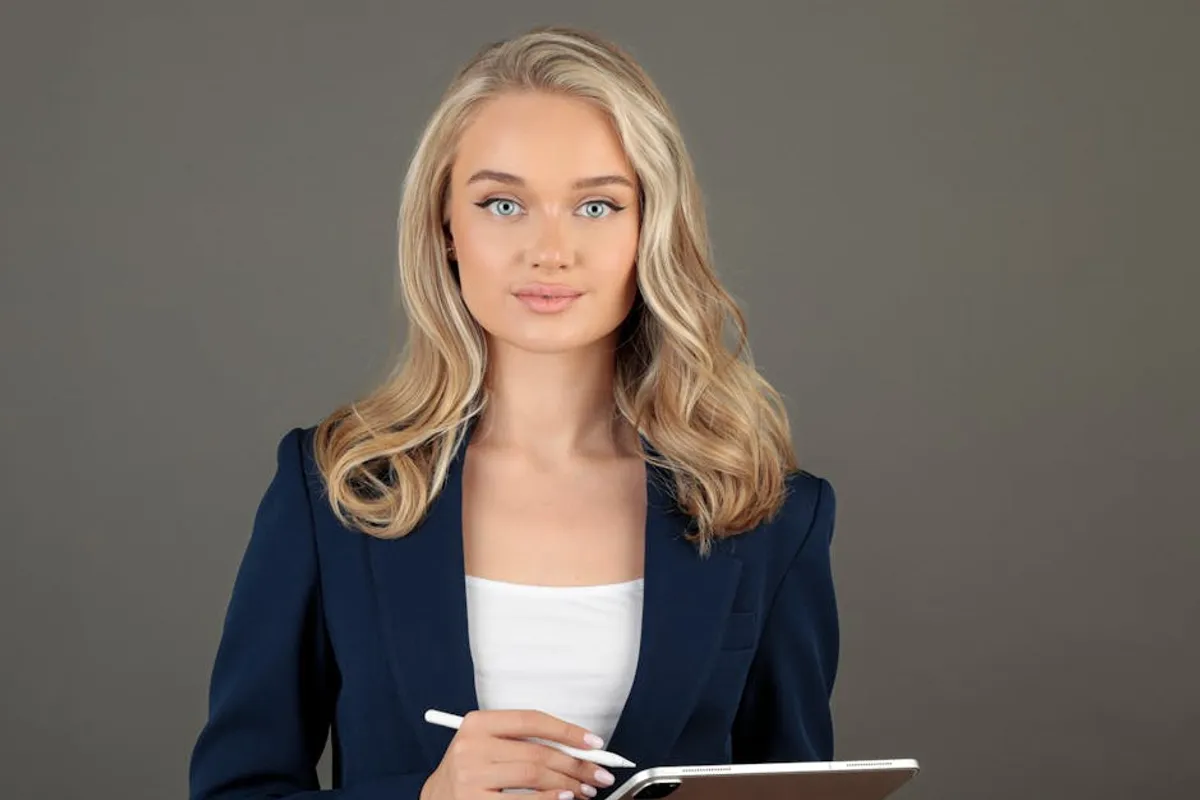
Entering the beauty modeling industry requires more than just natural aesthetics; it demands a precise understanding of how to present oneself effectively across various visual mediums. This guide provides aspiring and working beauty models with actionable strategies for optimizing their appearance, from foundational skin health to advanced posing techniques. Mastering these elements ensures that a model’s portfolio communicates professionalism, versatility, and an understanding of commercial demands, directly impacting casting opportunities and career progression.
Skin Preparation: The Foundational Canvas
Effective skin preparation is paramount for beauty modeling, as it directly influences makeup application and overall photographic quality. A consistent, tailored skincare regimen forms the bedrock of a model’s presentation.
Establishing a Consistent Skincare Routine
Daily care should center on cleansing, toning, moisturizing, and sun protection. For oily or acne-prone skin, incorporate salicylic acid or benzoyl peroxide products to manage breakouts and reduce inflammation. Dry skin benefits from hydrating serums containing hyaluronic acid and occlusive moisturizers to lock in moisture. Sensitive skin requires fragrance-free, hypoallergenic formulations to prevent irritation. Consistency over weeks, not days, yields visible improvements in texture and tone.
Pre-Shoot Optimization
In the 72 hours leading up to a shoot, avoid introducing new skincare products or treatments that could provoke unexpected reactions. Focus on intensive hydration through sheet masks or overnight hydrating treatments. Ensure adequate sleep and maintain water intake to minimize puffiness and enhance natural radiance. For immediate concerns like dark circles, use an eye cream with caffeine to temporarily constrict blood vessels. Professional facials, if desired, should be scheduled at least five days prior to allow for any post-treatment redness or purging to subside.
Makeup Application: Strategic Enhancement
Makeup for beauty modeling aims to enhance features and correct minor imperfections, ensuring consistency across different lighting conditions and photographic styles. The goal is often a polished, "no-makeup makeup" look, unless a specific editorial brief dictates otherwise.
Understanding Makeup for the Camera
Camera lenses and studio lighting can wash out features or exaggerate texture. Therefore, foundation and concealer should provide buildable coverage that matches skin tone precisely, applied sparingly to avoid a heavy appearance. Matte or satin finishes are generally preferred over overly dewy ones, which can appear greasy under bright lights. Pay close attention to defining eyebrows with a brow pencil or powder, as well as applying mascara to lift and separate lashes, opening up the eyes. Lip color should complement the natural lip tone, often a nude, rose, or soft berry shade that adds definition without distraction.
Collaborating with Makeup Artists
When working with a professional makeup artist, communicate any sensitivities or specific preferences regarding products. Be prepared to discuss the desired aesthetic for the shoot, whether it’s a fresh, natural glow or a more stylized, editorial look. Observe how artists apply products and ask questions about techniques or product choices; this builds your own understanding for future self-application or direction.
Headshots: Capturing Expressive Range
Headshots are a model’s primary calling card, requiring clarity, authentic expression, and technical precision. They serve as a visual resume, showcasing versatility and potential.
Professional Photography Essentials
Invest in professional headshots taken by a photographer specializing in beauty or portrait work. High-resolution images are non-negotiable. The photographer should use controlled lighting – typically softbox or natural diffused light – to highlight facial features without harsh shadows or overexposure. A clean, uncluttered background, such as a neutral grey or white, ensures the focus remains entirely on the model’s face and expression.
Cultivating Expressive Range
A strong headshot portfolio demonstrates a range of emotions and moods. Practice conveying:
- Confident Neutral: A relaxed, approachable expression with a slight lift in the corners of the mouth.
- Engaged Smile: A genuine smile that reaches the eyes, avoiding an overly forced grin.
- Serious/Pensive: A more intense, thoughtful gaze that still maintains approachability.
- Playful/Flirty: A lighter, more dynamic expression, often with a slight tilt of the head or a twinkle in the eye.
These expressions should be subtle and authentic, not theatrical. Work with your photographer to capture nuanced shifts in emotion rather than exaggerated poses.
Pro Tip: Authenticity Resonates
While technique is crucial, the most compelling beauty images often stem from genuine expression. Focus on feeling the emotion you want to convey, rather than merely mimicking a pose. Authenticity translates through the lens and connects more effectively with casting directors and brands.
Posing Techniques: Dynamic and Expressive
Effective posing transforms a static image into a dynamic narrative, conveying confidence and product appeal. It requires an understanding of body mechanics, angles, and subtle adjustments.
Body Language and Angles
For beauty shots, the focus is primarily from the shoulders up, but body language still plays a role. Maintain good posture, with shoulders relaxed and slightly back to elongate the neck. Subtle shifts in shoulder angle or head tilt can create depth and interest. For example, turning the head slightly to one side while keeping the eyes directed at the camera can create an engaging, direct gaze. Avoid stiff, symmetrical poses; introduce slight asymmetry to appear more natural and dynamic.
Facial Expressions and Eye Contact
The eyes are central to beauty modeling. Practice varying your gaze: direct eye contact with the lens for a powerful connection, or a slightly averted gaze for a more ethereal or contemplative mood. Experiment with the degree of eye opening – a slightly narrowed gaze can convey intensity, while wider eyes can suggest innocence or surprise. The jawline should be defined but not strained; a slight forward tilt of the chin can achieve this without looking unnatural.
Practicing and Adapting
Regular practice in front of a mirror or with a smartphone camera helps models understand their best angles and expressions. Pay attention to how different lighting affects your features. During a shoot, listen carefully to the photographer’s direction, but also offer your own interpretations. The ability to adapt quickly and offer varied poses demonstrates professionalism and creative input.
Elevating Your Beauty Modeling Presence
Success in beauty modeling is an iterative process of refining your look, understanding photographic requirements, and continuously practicing your craft. By meticulously preparing your skin, mastering makeup application for the camera, developing a range of expressive headshots, and executing dynamic posing, you build a robust foundation for a competitive career. Consistent effort in these areas will enhance your portfolio’s appeal, increase your confidence on set, and ultimately broaden your opportunities within the industry. Treat each shoot as a learning experience, and actively seek feedback to inform your ongoing development.
Frequently Asked Questions
How important is skin health for beauty modeling?
Skin health is critically important; it is the primary canvas for beauty modeling. Well-maintained skin requires less corrective makeup, allows for more natural-looking results, and reflects professionalism, directly impacting a model's suitability for various campaigns.
Should I wear makeup to a casting call?
For most beauty modeling casting calls, a "no-makeup makeup" look is preferred. This allows casting directors to see your natural features and assess your skin condition, while still presenting a polished appearance. Avoid heavy or overly dramatic makeup unless specifically requested.
What is the most effective way to practice posing?
The most effective way to practice posing is in front of a mirror or by recording yourself with a smartphone. Focus on subtle shifts in body weight, head tilts, and facial expressions. Pay attention to how different angles affect your features and practice transitioning smoothly between poses.
How often should I update my headshots?
Update your headshots at least once a year, or whenever there are significant changes to your appearance (e.g., hair color, length, or major style changes). This ensures your portfolio accurately reflects your current look and maintains a professional, up-to-date representation for casting directors.